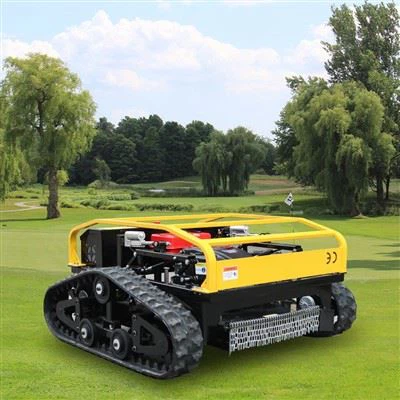
Changing the blade of a remote mower is a crucial maintenance task that ensures the mower operates efficiently and safely. As a supplier of high - quality remote mowers, I understand the importance of providing clear guidance on this process. In this blog, I'll walk you through the steps of changing the blade of a remote mower, from preparation to the actual replacement.
Preparation
Before you start changing the blade of your remote mower, it's essential to take some safety precautions. First, ensure that the mower is turned off and the power source is disconnected. If it's a battery - powered mower, remove the battery; if it's a fuel - powered one, turn off the engine and let it cool down completely. This prevents any accidental start - up that could cause serious injury.
Gather the necessary tools for the job. You'll typically need a socket wrench or a blade removal tool, depending on the type of mower. Some mowers may also require a block of wood to secure the blade and prevent it from rotating while you're removing it. It's also a good idea to wear protective gloves to avoid cuts from the sharp blade.
Identifying the Blade and Its Mounting
The next step is to locate the blade on your remote mower. Most remote mowers have a deck where the blade is attached. The deck is usually located under the mower's body. Once you've found the blade, take a close look at how it's mounted. Some blades are held in place by bolts, while others may use a locking mechanism.
Refer to your mower's user manual for specific information about the blade and its mounting. The manual will provide details on the type of blade used, the size of the bolts or the locking mechanism, and any special instructions for removal. If you don't have the manual, you can usually find it on the manufacturer's website.
Removing the Old Blade
Now that you're familiar with the blade's mounting, it's time to remove the old blade. If the blade is held by bolts, use the appropriate socket wrench to loosen and remove them. Place the bolts in a safe place so you don't lose them. If there's a locking mechanism, follow the instructions in the manual to release it.
Before completely removing the blade, it's a good idea to use a block of wood to secure it. Place the block of wood between the blade and the deck to prevent the blade from rotating while you're working. This will make it easier and safer to remove the blade. Once the bolts or locking mechanism is removed, carefully lift the old blade out of the mower.
Inspecting the Blade and the Deck
After removing the old blade, take a moment to inspect it. Look for signs of wear, such as dull edges, chips, or cracks. A worn - out blade can affect the mower's cutting performance and may even damage the deck. If the blade is severely damaged, it's definitely time for a replacement.
While you're at it, also inspect the mower's deck. Check for any debris, dirt, or grass clippings that may have accumulated. Clean the deck thoroughly using a brush or a cloth. Look for any signs of damage to the deck, such as dents or scratches. If you notice any significant damage, it may be necessary to have the deck repaired or replaced.
Selecting the Right Replacement Blade
As a remote mower supplier, I know that choosing the right replacement blade is crucial. You need to select a blade that is compatible with your mower's make and model. Refer to your mower's user manual or contact the manufacturer to find out the exact specifications of the blade you need.
There are different types of blades available, including standard blades, mulching blades, and high - lift blades. Standard blades are suitable for general mowing, while mulching blades are designed to cut grass into fine pieces and return them to the lawn as nutrients. High - lift blades are used when you need to create a strong airflow to lift the grass for a cleaner cut. Consider your mowing needs and choose the appropriate blade.
Installing the New Blade
Once you have the right replacement blade, it's time to install it. Place the new blade in the same position as the old one on the mower's deck. Make sure the blade is properly aligned with the mounting holes or the locking mechanism.
If the blade is attached with bolts, insert the bolts through the holes in the blade and the deck. Use the socket wrench to tighten the bolts securely, but be careful not to over - tighten them. Over - tightening can damage the blade or the deck. If there's a locking mechanism, follow the instructions in the manual to lock the blade in place.
Testing the Mower
After installing the new blade, it's important to test the mower to ensure that everything is working correctly. Reconnect the power source (if it's a battery - powered mower, insert the battery; if it's a fuel - powered mower, start the engine). Turn on the mower and let it run for a few minutes. Listen for any unusual noises or vibrations.
Check the cutting performance of the mower. Take it for a short test mow on a small area of your lawn. Observe how the blade cuts the grass. If the mower is cutting evenly and smoothly, then the blade installation was successful. If you notice any problems, such as uneven cutting or excessive vibrations, stop the mower immediately and re - check the blade installation.
Maintenance Tips for the Blade
To keep your remote mower's blade in good condition, regular maintenance is essential. After each use, clean the blade to remove any grass clippings, dirt, or debris. You can use a brush or a cloth to clean the blade. If the blade gets dull over time, you can sharpen it using a blade sharpener. However, if you're not confident in sharpening the blade yourself, it's best to take it to a professional.


Also, make sure to store the mower in a dry place when it's not in use. This will prevent the blade from rusting. If you're not going to use the mower for an extended period, consider removing the blade and storing it separately.
Conclusion
Changing the blade of a remote mower is a relatively straightforward process if you follow the right steps. As a remote mower supplier, I encourage you to take good care of your mower's blade to ensure optimal performance. Whether you're using a Remote Control Mower, a Robotic Lawn Mower, or a Remote Control Lawn Mower With Tracks, proper blade maintenance is key.
If you're in the market for a new remote mower or need replacement parts, don't hesitate to contact us. We offer a wide range of high - quality remote mowers and accessories. Our team of experts is always ready to assist you with any questions or concerns you may have. Whether you're a professional landscaper or a homeowner looking for an efficient way to maintain your lawn, we have the right solution for you.
References
- Manufacturer's user manuals for remote mowers
- Industry - standard maintenance guides for lawn mowers