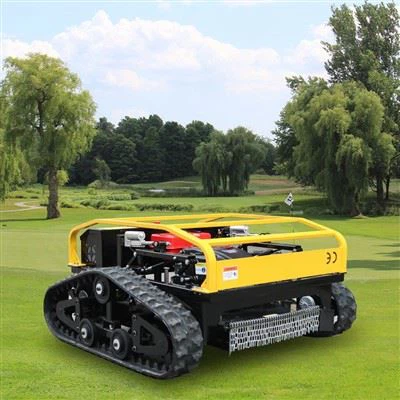
As a supplier of remote mowers, I've witnessed firsthand the ongoing debate in the lawn care industry: Are electric remote mowers more efficient than gas-powered ones? This question isn't just academic; it has real implications for our customers, from professional landscapers to homeowners. In this blog, I'll delve into the various aspects of efficiency to help you make an informed decision.
Energy Efficiency
One of the most significant advantages of electric remote mowers is their energy efficiency. Electric motors convert a higher percentage of electrical energy into mechanical energy compared to gas engines. Gas engines, on the other hand, lose a substantial amount of energy through heat and friction. According to a study by the American Council for an Energy-Efficient Economy, electric motors can be up to 90% efficient, while gas engines typically operate at around 20 - 30% efficiency.
This difference in efficiency means that electric remote mowers can do more work with less energy input. For example, an electric Remote Control Lawn Mower With Tracks can cover a larger area on a single charge than a gas-powered mower can on a tank of gas. This is especially beneficial for large lawns or commercial properties where reducing energy consumption is a priority.
Environmental Efficiency
In today's environmentally conscious world, the environmental efficiency of a mower is a crucial factor. Electric remote mowers produce zero emissions at the point of use, making them a much greener option compared to gas-powered mowers. Gas engines emit pollutants such as carbon monoxide, nitrogen oxides, and particulate matter, which contribute to air pollution and have negative health effects.
By choosing an electric Robotic Lawn Mower, you're not only reducing your carbon footprint but also helping to improve air quality in your community. Additionally, electric mowers are quieter than gas-powered ones, which reduces noise pollution and makes them more suitable for use in residential areas.


Maintenance Efficiency
Maintenance is another area where electric remote mowers shine. Gas engines require regular maintenance, including oil changes, spark plug replacements, and air filter cleanings. These maintenance tasks can be time-consuming and costly, especially for commercial users who rely on their mowers for daily operations.
In contrast, electric mowers have fewer moving parts and require less maintenance. They don't need oil changes or spark plug replacements, and the battery is the only major component that needs occasional attention. This means less downtime for maintenance and lower overall maintenance costs over the life of the mower.
Performance Efficiency
When it comes to performance, both electric and gas-powered mowers have their strengths. Gas engines typically offer more power and torque, which can be beneficial for cutting through thick or tall grass. However, advancements in electric motor technology have closed the performance gap significantly.
Modern electric remote mowers are equipped with high-torque motors that can handle most mowing tasks with ease. They also offer variable speed controls and precise cutting height adjustments, allowing for a more customized and efficient mowing experience. Additionally, electric mowers are often lighter and more maneuverable than gas-powered ones, which can make them easier to operate in tight spaces.
Cost Efficiency
Cost is always a consideration when purchasing a mower. While electric remote mowers may have a higher upfront cost compared to gas-powered ones, they can be more cost-efficient in the long run. As mentioned earlier, electric mowers have lower energy and maintenance costs, which can offset the initial investment over time.
In addition, many governments and utility companies offer incentives and rebates for purchasing electric equipment, including mowers. These incentives can further reduce the cost of ownership and make electric mowers a more attractive option for budget-conscious consumers.
Considerations for Different Users
The choice between an electric and gas-powered remote mower depends on several factors, including the size of the lawn, the type of grass, and the user's specific needs. For small to medium-sized lawns, an electric Remote Control Mower is often the best choice. It offers sufficient power, is easy to operate, and has lower operating costs.
For large commercial properties or properties with thick, tall grass, a gas-powered mower may be more suitable. The additional power and torque of a gas engine can make quick work of challenging mowing tasks. However, if environmental concerns or noise restrictions are a factor, an electric mower may still be the better option.
Conclusion
In conclusion, electric remote mowers offer several advantages in terms of energy efficiency, environmental efficiency, maintenance efficiency, and cost efficiency. While gas-powered mowers may still have an edge in terms of raw power, the performance gap is narrowing, and the benefits of electric mowers are becoming increasingly apparent.
As a supplier of remote mowers, I recommend considering your specific needs and priorities when choosing between an electric and gas-powered mower. If you're looking for a more efficient, environmentally friendly, and low-maintenance option, an electric mower is definitely worth considering.
If you're interested in learning more about our range of remote mowers or would like to discuss your specific requirements, please don't hesitate to get in touch. We're here to help you find the perfect mower for your needs and ensure a smooth purchasing process.
References
- American Council for an Energy-Efficient Economy. (Year). Energy Efficiency of Electric Motors.
- Environmental Protection Agency. (Year). Air Pollution from Lawn and Garden Equipment.
- Industry reports on mower performance and maintenance.