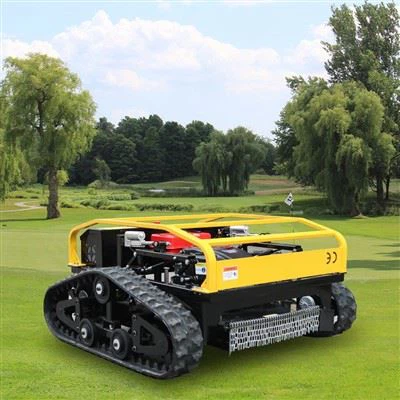
In recent years, the concept of eco - friendliness has become a significant concern in various industries, and the lawn - care sector is no exception. As a supplier of Remote Mowers, I've been deeply involved in understanding and evaluating the environmental impact of these innovative machines. This blog aims to explore the question: Are remote mowers eco - friendly?
Energy Efficiency
One of the primary aspects to consider when assessing the eco - friendliness of a remote mower is its energy consumption. Traditional gasoline - powered lawn mowers are notorious for their high fuel usage and emissions. These mowers burn fossil fuels, releasing carbon monoxide, hydrocarbons, and nitrogen oxides into the atmosphere. These pollutants contribute to air pollution, smog formation, and climate change.
In contrast, most remote mowers are electrically powered. Electric remote mowers draw energy from rechargeable batteries. The energy efficiency of electric motors is generally much higher than that of gasoline engines. For instance, electric motors can convert a larger percentage of the electrical energy they consume into mechanical work, with less energy wasted as heat. According to a study by the Environmental Protection Agency (EPA), an average gasoline - powered lawn mower can emit as much pollution in one hour of operation as 40 new cars driving for the same amount of time. Electric remote mowers, on the other hand, produce zero tailpipe emissions during operation.
Moreover, the development of advanced battery technologies has improved the runtime and performance of electric remote mowers. Lithium - ion batteries, which are commonly used in these mowers, have a high energy density. This means they can store more energy in a smaller and lighter package compared to traditional lead - acid batteries. As a result, remote mowers can cover larger areas on a single charge, reducing the need for frequent recharging and overall energy consumption.
Noise Pollution
Noise pollution is another environmental factor that often goes overlooked but can have a significant impact on the quality of life for humans and wildlife. Gasoline - powered lawn mowers are extremely noisy, with noise levels often exceeding 90 decibels. Prolonged exposure to such high - level noise can cause hearing damage in humans and can disrupt the natural behavior of wildlife.
Remote mowers, especially electric ones, are much quieter in operation. The electric motors produce a relatively low - pitched hum, which is far less intrusive than the loud roar of a gasoline engine. This reduced noise level is beneficial for both the operator and the surrounding environment. It allows for mowing at more convenient times without disturbing neighbors, and it also minimizes the stress on wildlife in the area. For example, birds are less likely to be startled or displaced from their habitats, and small mammals can continue their normal activities without being constantly disrupted.
Precision and Reduced Chemical Use
Remote mowers offer a high degree of precision in lawn care. They can be programmed or remotely controlled to mow specific areas, follow precise patterns, and maintain a consistent cutting height. This precision reduces the need for over - mowing or under - mowing, which can lead to a healthier lawn. A well - maintained lawn is more resistant to pests and diseases, reducing the reliance on chemical pesticides and fertilizers.
Traditional mowing methods may result in uneven cuts, which can create weak spots in the lawn. These weak spots are more susceptible to infestations and require the application of chemicals to treat. Remote mowers, with their accurate cutting capabilities, help to promote a natural balance in the lawn ecosystem. By reducing the use of chemical inputs, we can minimize the pollution of soil, water, and air. Chemical fertilizers can leach into groundwater, causing water pollution, and pesticides can harm beneficial insects and other organisms in the environment.
Habitat Preservation
When mowing large areas of grass, traditional mowers can be quite destructive to the natural habitats of small animals and plants. The large, heavy - duty mowers used in commercial lawn care can crush and destroy ground - nesting birds' nests, small burrows of mammals, and delicate plant species.
Remote mowers, due to their smaller size and more precise operation, are less likely to cause such damage. They can navigate around obstacles and sensitive areas, preserving the natural habitats within the lawn. For example, they can avoid mowing over wildflower patches or areas where small animals have made their homes. This is particularly important in areas where there is a need to balance lawn maintenance with the conservation of local biodiversity.
Product Lifecycle and Sustainability
As a Remote Mower supplier, I also consider the entire product lifecycle when evaluating eco - friendliness. The manufacturing process of remote mowers is becoming more sustainable. Many manufacturers are using recycled materials in the construction of mower components, such as the body frames and some internal parts. Additionally, the design of these mowers is often modular, which means that individual parts can be easily replaced or repaired. This extends the lifespan of the mower and reduces the amount of waste generated.


At the end of its useful life, a remote mower can be more easily recycled compared to a gasoline - powered mower. The batteries can be recycled to recover valuable metals, and the plastic and metal components can be reused in the production of new products. This closed - loop approach to manufacturing and waste management is an important aspect of eco - friendly product design.
Conclusion
In conclusion, remote mowers offer several environmental benefits that make them a more eco - friendly alternative to traditional gasoline - powered mowers. They are energy - efficient, produce less noise pollution, allow for precision lawn care that reduces chemical use, help preserve natural habitats, and have a more sustainable product lifecycle.
If you are interested in learning more about our Remote Mower products or are considering making a purchase for your lawn - care needs, we encourage you to reach out to us. Our team of experts can provide you with detailed information about our Robotic Lawn Mower and Remote Control Mower models, their features, and how they can contribute to a more sustainable lawn - care solution. We look forward to discussing your requirements and helping you make an informed decision.
References
- Environmental Protection Agency (EPA). "Lawn and Garden Equipment Emissions."
- Various industry reports on battery technology and energy efficiency in electric lawn mowers.
- Studies on the impact of noise pollution from lawn mowers on wildlife and human health.