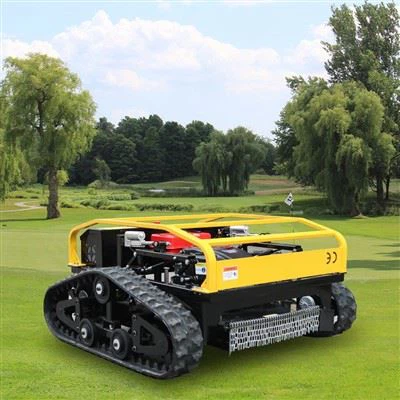
As a supplier of remote mowers, I've received numerous inquiries about the dust resistance of these innovative machines. Dust is a common concern, especially in environments where mowing takes place in dry, arid areas or near construction sites. In this blog post, I'll delve into the topic of whether remote mowers are resistant to dust, exploring the design features, technologies, and maintenance practices that contribute to their performance in dusty conditions.
Understanding the Challenges of Dust in Mowing Operations
Dust can pose several challenges to the operation and longevity of mowers. When dust particles enter the internal components of a mower, they can cause abrasion, clog filters, and interfere with the proper functioning of electrical and mechanical systems. This can lead to reduced performance, increased wear and tear, and potentially costly repairs. In addition, dust can also affect the visibility of the operator, making it more difficult to control the mower accurately and safely.
Design Features for Dust Resistance
One of the key factors in determining the dust resistance of a remote mower is its design. Manufacturers employ various design features to minimize the ingress of dust into the mower's internal components. For example, many remote mowers are equipped with sealed enclosures that protect the engine, electronics, and other sensitive parts from dust and debris. These enclosures are typically made of durable materials such as plastic or metal and are designed to prevent dust from entering through gaps or openings.
Another important design feature is the use of air filters. Air filters are essential for preventing dust and other contaminants from entering the engine and causing damage. High-quality air filters are designed to trap even the smallest dust particles, ensuring that the engine receives clean air for combustion. Some remote mowers are also equipped with pre-filters, which provide an additional layer of protection by capturing larger dust particles before they reach the main air filter.
In addition to sealed enclosures and air filters, many remote mowers also feature dust-resistant coatings on their exterior surfaces. These coatings help to repel dust and prevent it from sticking to the mower, making it easier to clean and maintain. Some coatings also provide additional protection against corrosion and UV damage, extending the lifespan of the mower.
Technologies for Dust Resistance
In addition to design features, advancements in technology have also contributed to the improved dust resistance of remote mowers. For example, some remote mowers are equipped with advanced sensor systems that can detect the presence of dust and adjust the mower's operation accordingly. These sensors can detect changes in air quality, temperature, and humidity, and can automatically adjust the mower's speed, cutting height, and other parameters to optimize performance in dusty conditions.
Another technology that is becoming increasingly common in remote mowers is the use of brushless motors. Brushless motors are more efficient and reliable than traditional brushed motors, and they also produce less heat and noise. In addition, brushless motors are less prone to dust and debris buildup, as they do not have brushes that can wear out and generate dust.
Maintenance Practices for Dust Resistance
While design features and technologies play an important role in ensuring the dust resistance of remote mowers, proper maintenance is also essential. Regular maintenance can help to prevent dust and debris from accumulating in the mower's internal components, and can also help to identify and address any potential issues before they become major problems.
One of the most important maintenance tasks is to clean the air filter regularly. Over time, the air filter can become clogged with dust and debris, reducing the airflow to the engine and causing it to run less efficiently. To clean the air filter, simply remove it from the mower and use a compressed air gun or a brush to remove the dust and debris. If the air filter is severely clogged, it may need to be replaced.


Another important maintenance task is to inspect the mower's exterior surfaces for dust and debris buildup. Use a soft brush or a damp cloth to remove any dust or debris that has accumulated on the mower's body, wheels, and other components. Pay special attention to areas where dust and debris are likely to accumulate, such as the engine compartment, the air intake, and the exhaust system.
In addition to cleaning the air filter and inspecting the mower's exterior surfaces, it's also important to lubricate the mower's moving parts regularly. Lubrication helps to reduce friction and wear, and can also help to prevent dust and debris from entering the mower's internal components. Use a high-quality lubricant that is recommended by the mower's manufacturer, and follow the manufacturer's instructions for lubrication.
Conclusion
In conclusion, remote mowers are generally resistant to dust, thanks to their design features, technologies, and maintenance practices. However, the level of dust resistance can vary depending on the specific model and manufacturer of the mower, as well as the operating conditions. To ensure the best performance and longevity of your remote mower, it's important to choose a model that is designed for dusty conditions, and to follow the manufacturer's recommendations for maintenance and care.
If you're in the market for a remote mower, I encourage you to explore our range of Remote Control Mower, Remote Grass Mower, and Remote Control Grass Cutter. Our mowers are designed with dust resistance in mind, and are equipped with the latest technologies and features to ensure optimal performance in even the most challenging conditions. Contact us today to learn more about our products and to discuss your specific needs and requirements.
References
- Manufacturer's manuals and specifications for remote mowers
- Industry research and reports on dust resistance in mowers
- Personal experience and expertise as a remote mower supplier