Are there any safety precautions when using a remote mower?
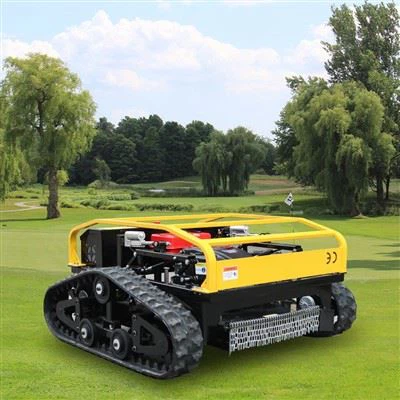
Hey there! As a supplier of remote mowers, I often get asked about the safety precautions when using these nifty machines. Remote mowers, like Remote Control Flail Mower and Remote Control Lawn Mower With Tracks from our range, are great for getting the job done efficiently, but safety should always be our top priority.
First off, let's talk about pre - operation checks. Before you even fire up your remote mower, you need to do a thorough inspection. Check the blades. Make sure they're sharp and not damaged. A dull or damaged blade can not only make the mowing process less effective but can also pose a serious risk. If the blade is loose or has any cracks, don't use the mower until it's fixed. You don't want a blade flying off while the mower is in operation – that's a recipe for disaster.


Next, examine the body of the mower. Look for any signs of wear and tear, especially on the tracks if it's a Remote Control Lawn Mower With Tracks. The tracks should be in good condition, with no signs of excessive cracking or missing parts. A faulty track can cause the mower to lose control, which is extremely dangerous. Also, check the wheels and axles to ensure they're properly aligned and functioning well.
The remote control itself is a crucial part of the setup. Test the range and responsiveness of the remote. Walk around the area where you'll be using the mower and make sure you can control it from all angles. If the signal is weak or there are any glitches, it could lead to the mower going out of control. You don't want to be in a situation where you can't stop the mower when you need to.
Now, let's move on to the operating environment. Before you start mowing, clear the area of any debris, rocks, or large sticks. These objects can get caught in the blades and be launched at high speeds, potentially causing injury to anyone nearby. It's also a good idea to mark off the boundaries of the mowing area. You can use cones or flags to clearly define where the mower should operate. This helps prevent the mower from wandering into areas where it shouldn't be, like flower beds or driveways.
When it comes to weather conditions, be cautious. Don't use the remote mower in wet or rainy conditions. Water can damage the electrical components of the mower and the remote control. It can also make the ground slippery, increasing the risk of the mower tipping over. High winds can also be a problem. Strong gusts can blow the mower off course or make it difficult to control. So, wait for calm weather before you start mowing.
Another important safety measure is to keep bystanders at a safe distance. Make sure there are no children, pets, or other people in the mowing area. Even if you're confident in your ability to control the mower, accidents can happen. A child or pet running into the path of the mower could lead to a serious injury. Set up a perimeter around the mowing area and enforce it.
During operation, always keep an eye on the mower. Don't get distracted by other things. Watch how it moves, how the blades are functioning, and make sure it's not getting stuck or overheating. If you notice any strange noises or behaviors, stop the mower immediately. It could be a sign of a mechanical problem that needs to be addressed.
After you're done mowing, proper storage is essential. Turn off the mower and the remote control. Store the mower in a dry, secure place. Make sure it's protected from the elements and out of reach of children. If you leave the mower outside, it can be damaged by the weather and become a safety hazard.
Now, let's talk about maintenance. Regular maintenance is key to keeping your remote mower safe and functioning well. Clean the mower after each use. Remove any grass clippings, dirt, or debris from the blades, the body, and the tracks. This helps prevent corrosion and keeps the mower running smoothly.
Sharpen the blades regularly. Dull blades not only cut grass poorly but also put more stress on the mower's engine. Follow the manufacturer's instructions for blade sharpening or take it to a professional if you're not comfortable doing it yourself.
Check the oil and fuel levels regularly. Just like a car, the mower needs proper lubrication and fuel to run efficiently. If the oil is low or dirty, it can cause the engine to overheat and break down.
In conclusion, using a remote mower can be a great way to keep your lawn looking neat and tidy, but it comes with its own set of safety risks. By following these safety precautions, you can minimize those risks and ensure a safe mowing experience.
If you're interested in purchasing a high - quality remote mower, we've got a great selection to choose from. Whether you need a Remote Control Flail Mower or a Remote Control Lawn Mower With Tracks, we've got you covered. Contact us to discuss your needs and start the procurement process. We're here to help you find the perfect remote mower for your lawn.
References
- General safety guidelines for lawn mowers from industry standards
- Manufacturer's manuals for remote mowers