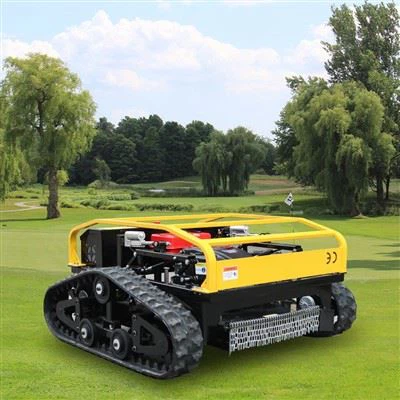
As a supplier of remote mowers, one question I'm often asked is, "What kind of fuel does a gas-powered remote mower use?" This is a crucial query for both potential buyers and existing users, as the right fuel choice can significantly impact the performance, efficiency, and longevity of the equipment. In this blog post, I'll delve into the details of the fuels suitable for gas-powered remote mowers, providing you with the information necessary to make an informed decision.
The Basics of Gas-Powered Remote Mowers
Gas-powered remote mowers offer several advantages over their electric counterparts. They provide greater power and mobility, making them ideal for large areas of land, rough terrains, and commercial applications. These mowers are typically equipped with internal combustion engines that run on specific types of fuel.
Types of Fuel for Gas-Powered Remote Mowers
Unleaded Gasoline
Most gas-powered remote mowers are designed to run on unleaded gasoline. This type of fuel is widely available at gas stations and is relatively affordable. It contains a mixture of hydrocarbons and additives that contribute to its combustion properties.
When using unleaded gasoline, it's essential to pay attention to the octane rating. The octane rating indicates the fuel's resistance to knocking, which is an abnormal combustion process that can damage the engine. For most gas-powered remote mowers, an octane rating of 87 or higher is recommended. Using a lower octane fuel than specified can lead to reduced engine performance, increased fuel consumption, and potential long-term engine damage.
Ethanol Blends
In recent years, ethanol blends have become more common in gasoline. Ethanol is an alcohol-based fuel that is typically derived from corn or other agricultural products. The most common ethanol blend is E10, which contains 10% ethanol and 90% gasoline.
Many gas-powered remote mowers can run on E10 ethanol blends without any issues. However, it's important to check the manufacturer's recommendations before using ethanol-blended fuels. Some engines may not be compatible with higher ethanol blends, such as E15 or E85, as ethanol can absorb water and cause corrosion in the fuel system.
Two-Stroke Engine Fuel
Some gas-powered remote mowers are equipped with two-stroke engines. These engines require a specific fuel mixture that combines gasoline and two-stroke oil. The two-stroke oil lubricates the engine's moving parts and prevents excessive wear and damage.
The fuel-to-oil ratio for two-stroke engines varies depending on the manufacturer's specifications. Common ratios include 25:1, 32:1, and 50:1. It's crucial to follow the recommended ratio precisely to ensure proper engine lubrication and performance. Mixing the fuel incorrectly can lead to engine seizure, poor performance, and increased emissions.
Choosing the Right Fuel for Your Remote Mower
When selecting the fuel for your gas-powered remote mower, consider the following factors:
Manufacturer's Recommendations
Always refer to the manufacturer's user manual for the recommended fuel type and octane rating. Following these guidelines will ensure optimal performance and prevent potential engine problems.
Fuel Availability
Choose a fuel type that is readily available in your area. If you plan to use your mower in remote locations, it's important to ensure that you can easily obtain the required fuel.
Engine Type
As mentioned earlier, two-stroke engines require a specific fuel mixture, while four-stroke engines typically run on unleaded gasoline. Make sure you know the type of engine in your mower and use the appropriate fuel.
Environmental Considerations
If you're concerned about the environmental impact of your mower, you may want to consider using ethanol blends or alternative fuels. However, keep in mind that some engines may not be compatible with these fuels, so it's important to do your research before making a switch.
Maintaining Your Gas-Powered Remote Mower
Proper maintenance is essential to keep your gas-powered remote mower running smoothly and efficiently. Here are some tips for maintaining your mower's fuel system:
Use Fresh Fuel
Stale fuel can cause engine problems, so it's important to use fresh fuel in your mower. If you don't plan to use your mower for an extended period, it's a good idea to drain the fuel tank or add a fuel stabilizer to prevent the fuel from deteriorating.
Keep the Fuel Tank Clean
Dirt and debris can contaminate the fuel and cause clogs in the fuel system. Make sure to keep the fuel tank clean and free of any foreign objects.
Replace the Fuel Filter Regularly
The fuel filter helps to remove impurities from the fuel before it reaches the engine. Over time, the filter can become clogged, reducing fuel flow and engine performance. Replace the fuel filter according to the manufacturer's recommendations.


Check the Spark Plug
The spark plug is responsible for igniting the fuel mixture in the engine. A worn or dirty spark plug can cause engine misfires and poor performance. Check the spark plug regularly and replace it if necessary.
Our Remote Mower Products
At our company, we offer a wide range of high-quality remote mowers to meet the needs of different customers. Our products include Remote Control Flail Mower, Robotic Lawn Mower, and Self Propelled Garden Remote Control Lawn Mower.
These mowers are designed with the latest technology and features to ensure efficiency, reliability, and ease of use. Whether you're a homeowner looking to maintain your lawn or a professional landscaper in need of a powerful and versatile mower, we have the perfect solution for you.
Get in Touch for Purchasing Inquiries
If you're interested in learning more about our remote mowers or have any questions about the fuel requirements, please feel free to contact us. Our team of experts is here to assist you and provide you with all the information you need to make the right decision.
We look forward to the opportunity to work with you and help you find the perfect remote mower for your needs.
References
- Briggs & Stratton. (n.d.). Fuel and Oil Guide. Retrieved from [Briggs & Stratton Website]
- Honda Power Equipment. (n.d.). Fuel Recommendations. Retrieved from [Honda Power Equipment Website]
- Toro. (n.d.). Fuel and Oil Recommendations. Retrieved from [Toro Website]