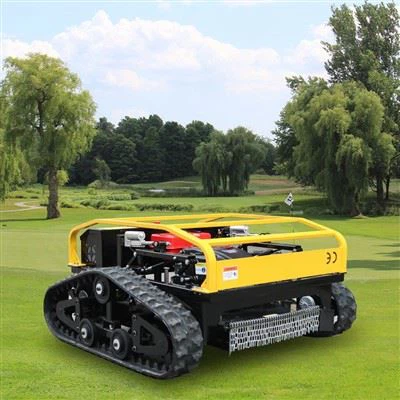
When it comes to maintaining a lawn, especially one with a lot of bumps, the choice of lawn mower is crucial. As a supplier of 4wd Lawn Mower, I often get asked whether a 4WD lawn mower can be effectively used on such challenging terrains. In this blog post, I'll delve into the technical aspects, benefits, and considerations of using a 4WD lawn mower on bumpy lawns.
Understanding the Challenges of Bumpy Lawns
Bumpy lawns present several difficulties for lawn mowers. The uneven surface can cause the mower to lose traction, leading to inconsistent cutting heights. Moreover, the constant jolting can put stress on the mower's components, potentially leading to premature wear and tear. In some cases, a mower may even get stuck on larger bumps, making it difficult to complete the mowing task efficiently.
How 4WD Lawn Mowers Work
A 4WD lawn mower, as the name suggests, has power delivered to all four wheels. This is in contrast to traditional 2WD mowers, where only two wheels receive power. The additional powered wheels provide better traction, allowing the mower to navigate through rough and uneven terrains more easily.

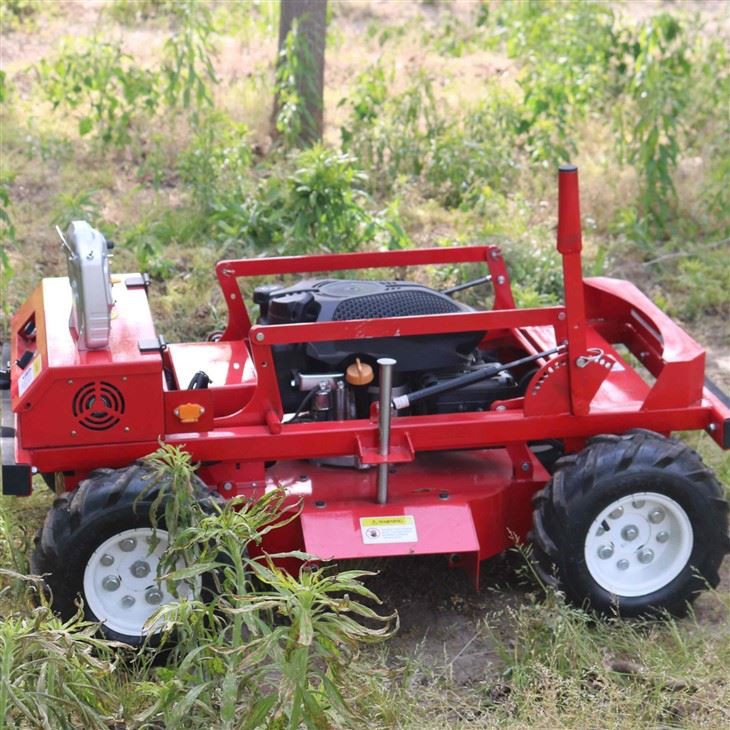
The drivetrain of a 4WD lawn mower is designed to distribute power evenly to all wheels, ensuring that each wheel rotates at the appropriate speed. This is particularly important on bumpy lawns, as it helps prevent wheels from slipping and losing traction. Some 4WD lawn mowers also feature advanced differential systems that can adjust the power distribution based on the terrain conditions, further enhancing the mower's performance.
Benefits of Using a 4WD Lawn Mower on Bumpy Lawns
- Improved Traction: The most significant advantage of a 4WD lawn mower on bumpy lawns is its superior traction. With power going to all four wheels, the mower can grip the ground better, even on slopes and uneven surfaces. This means less slipping and sliding, resulting in a more consistent and even cut.
- Enhanced Maneuverability: 4WD lawn mowers are generally more maneuverable than their 2WD counterparts. They can easily navigate around obstacles and follow the contours of the bumpy lawn. This is especially useful when mowing around flower beds, trees, or other landscaping features.
- Reduced Strain on Components: The improved traction and maneuverability of a 4WD lawn mower also mean less strain on its components. Since the mower can move smoothly over the bumps, there is less jolting and vibration, which can extend the lifespan of the mower's engine, transmission, and other parts.
- Efficient Mowing: With better traction and maneuverability, a 4WD lawn mower can cover more ground in less time. This is because it can maintain a steady speed and avoid getting stuck, allowing you to complete the mowing task more efficiently.
Considerations When Using a 4WD Lawn Mower on Bumpy Lawns
While 4WD lawn mowers offer many benefits on bumpy lawns, there are also some considerations to keep in mind.
- Cost: 4WD lawn mowers are generally more expensive than 2WD mowers. This is due to the additional components and technology required to power all four wheels. However, if you have a large or particularly bumpy lawn, the investment may be worth it in the long run.
- Maintenance: The more complex drivetrain of a 4WD lawn mower may require more maintenance than a 2WD mower. It's important to follow the manufacturer's maintenance schedule and keep the mower in good working condition to ensure optimal performance.
- Size and Weight: Some 4WD lawn mowers may be larger and heavier than 2WD mowers. This can make them more difficult to maneuver in tight spaces or transport. Make sure to choose a mower that is suitable for the size and layout of your lawn.
Comparing 4WD Lawn Mowers with Other Types of Mowers
In addition to 2WD mowers, there are other types of lawn mowers available, such as Remote Lawn Mower. Remote lawn mowers offer the convenience of being controlled from a distance, which can be useful on large or complex lawns. However, they may not have the same level of traction and maneuverability as 4WD lawn mowers on bumpy terrains.
Self - propelled 2WD mowers are a popular choice for many homeowners. They are generally more affordable and easier to maintain than 4WD mowers. However, on bumpy lawns, they may struggle with traction and may not be able to provide as consistent a cut as a 4WD mower.
Tips for Using a 4WD Lawn Mower on Bumpy Lawns
- Adjust the Cutting Height: Before starting to mow, adjust the cutting height of the mower to a suitable level. A higher cutting height can help prevent the mower from scalping the lawn on the bumps.
- Mow at a Steady Pace: Avoid mowing too quickly, especially on steep slopes or large bumps. A steady pace will allow the mower to maintain traction and provide a more even cut.
- Inspect the Lawn First: Walk around the lawn and remove any large rocks, sticks, or other debris that could damage the mower or cause it to get stuck.
- Check the Tires: Make sure the tires of the 4WD lawn mower are properly inflated. Under - inflated tires can reduce traction and affect the mower's performance.
Conclusion
In conclusion, a 4WD lawn mower can be an excellent choice for mowing a lawn with a lot of bumps. Its superior traction, maneuverability, and efficiency make it well - suited to handle the challenges of uneven terrains. While there are some considerations such as cost and maintenance, the benefits often outweigh the drawbacks, especially for larger or more complex lawns.
If you're in the market for a lawn mower for your bumpy lawn, I encourage you to consider our range of 4wd Lawn Mower. Our mowers are designed with the latest technology and high - quality components to provide optimal performance on challenging terrains. Contact us to discuss your specific needs and explore the options available for your lawn. We're here to help you find the perfect mower for your lawn maintenance requirements.
References
- "Lawn Mower Buying Guide" - Consumer Reports
- "The Science of Lawn Mowing" - Journal of Horticultural Science