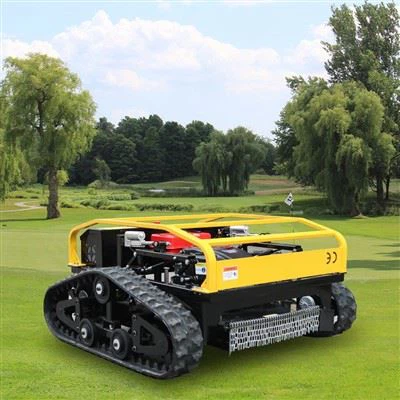
Can a 4wd Lawn Mower be Used on a Rocky Lawn?
As a supplier of 4wd Lawn Mowers, I often get asked whether our 4wd lawn mowers can be used on rocky lawns. It's a valid question, considering the unique challenges that rocky terrains present. In this blog post, I'll delve into the capabilities of 4wd lawn mowers on rocky lawns, exploring their advantages, limitations, and important considerations.
Advantages of Using a 4wd Lawn Mower on a Rocky Lawn
One of the primary advantages of a 4wd Lawn Mower is its superior traction. The four-wheel-drive system distributes power to all four wheels, providing better grip on uneven and slippery surfaces. On a rocky lawn, where the ground can be irregular and unstable, this enhanced traction is crucial. It allows the mower to navigate over rocks and rough patches without getting stuck or losing control. The 4wd system enables the mower to power through challenging areas that a two-wheel-drive mower might struggle with, ensuring a more efficient and thorough mowing experience.
Another benefit is the increased maneuverability. 4wd lawn mowers are typically more agile than their two-wheel-drive counterparts. They can make tighter turns and navigate around obstacles with greater ease. On a rocky lawn, where there may be numerous rocks and other obstacles, this maneuverability is a significant advantage. It allows the operator to mow around rocks without damaging the mower or the surrounding grass, resulting in a neater and more professional-looking lawn.
4wd lawn mowers also tend to have more robust construction. They are built to withstand the rigors of challenging terrains, including rocky lawns. The frames, axles, and other components are often made of stronger materials, providing better durability and resistance to damage. This means that the mower is less likely to break down or suffer from premature wear and tear when used on a rocky lawn.
Limitations of Using a 4wd Lawn Mower on a Rocky Lawn
While 4wd lawn mowers offer several advantages on rocky lawns, they also have some limitations. One of the main limitations is the potential for damage to the mower's blades and other components. Rocks can cause significant damage to the mower's blades, dulling them quickly and reducing their cutting efficiency. In some cases, rocks can even break the blades, requiring costly replacements. Additionally, the impact of hitting rocks can damage other components of the mower, such as the deck, wheels, and transmission.
Another limitation is the increased risk of injury to the operator. Working on a rocky lawn can be dangerous, as there is a higher risk of slipping, tripping, and falling. The uneven terrain and the presence of rocks can also make it more difficult to control the mower, increasing the risk of accidents. It's important for operators to take appropriate safety precautions, such as wearing protective gear and using caution when operating the mower on a rocky lawn.

Important Considerations
Before using a 4wd lawn mower on a rocky lawn, there are several important considerations to keep in mind. First, it's essential to assess the condition of the lawn. If the lawn has a large number of large rocks or other obstacles, it may be necessary to remove them before mowing. This can help reduce the risk of damage to the mower and improve the mowing efficiency.
Second, it's important to choose the right mower for the job. Not all 4wd lawn mowers are suitable for rocky lawns. Look for a mower with a high ground clearance, a strong frame, and durable blades. It's also a good idea to choose a mower with a mulching or bagging option, as this can help collect any rocks or debris that may be kicked up during the mowing process.
Third, it's crucial to operate the mower correctly. When mowing on a rocky lawn, it's important to go slowly and carefully. Avoid hitting rocks or other obstacles, and use caution when making turns. It's also a good idea to periodically check the mower's blades and other components for damage.
Finally, it's important to maintain the mower properly. Regular maintenance, such as sharpening the blades, changing the oil, and checking the tire pressure, can help keep the mower in good working condition and reduce the risk of damage.
Alternative Options
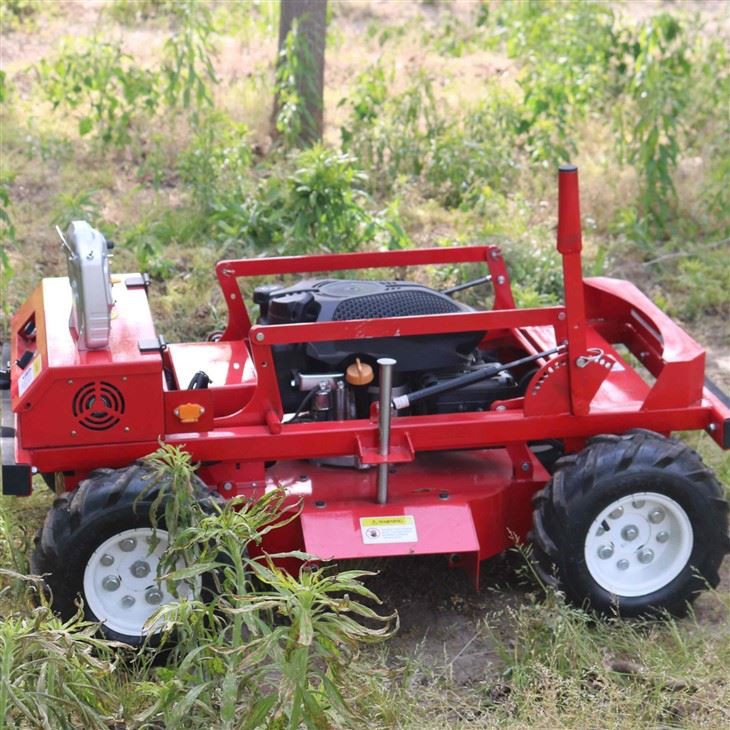
If you're hesitant about using a 4wd lawn mower on a rocky lawn, there are some alternative options available. One option is to use a Remote Lawn Mower. Remote lawn mowers are designed to be operated from a distance, allowing the operator to avoid the hazards of working on a rocky lawn. They are also typically more maneuverable and can navigate around obstacles with greater ease.
Another option is to hire a professional lawn care service. Professional lawn care services have the experience and equipment necessary to mow rocky lawns safely and efficiently. They can also provide additional services, such as weed control and fertilization, to keep your lawn looking its best.
Conclusion
In conclusion, a 4wd lawn mower can be used on a rocky lawn, but it's important to understand its advantages, limitations, and important considerations. While 4wd lawn mowers offer superior traction, maneuverability, and durability, they also have the potential for damage to the mower's blades and other components, as well as an increased risk of injury to the operator. By assessing the condition of the lawn, choosing the right mower, operating it correctly, and maintaining it properly, you can minimize these risks and achieve a beautiful, well-manicured lawn.
If you're interested in learning more about our 4wd Lawn Mowers or have any questions about using them on rocky lawns, please don't hesitate to contact us. We're here to help you find the right solution for your lawn care needs.
References
- "Lawn Mower Safety Tips" - National Safety Council
- "Choosing the Right Lawn Mower for Your Terrain" - Consumer Reports
- "Maintaining Your Lawn Mower" - Briggs & Stratton