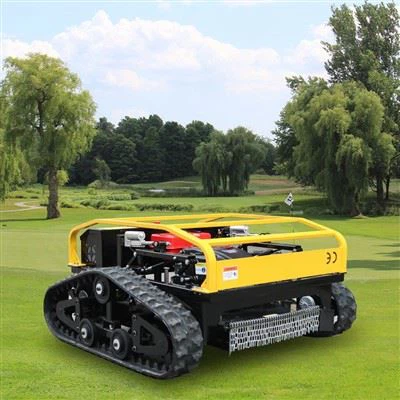
Can a remote mower be used on artificial grass? This is a question that many homeowners, landscapers, and facility managers often ask. As a supplier of Remote Mower, I'm here to provide a detailed and scientific answer to this query.


Understanding Artificial Grass
Artificial grass, also known as synthetic turf, has become increasingly popular in recent years. It offers several advantages over natural grass, such as low maintenance, durability, and year - round green appearance. Artificial grass is made from synthetic fibers, typically polyethylene or polypropylene, that are tufted or woven onto a backing material. These fibers are designed to mimic the look and feel of natural grass.
The structure of artificial grass is different from that of natural grass. Natural grass has living roots, stems, and leaves that grow and require regular mowing to maintain a proper height. In contrast, artificial grass is a non - living material. However, over time, it can accumulate debris, flatten out, and lose its aesthetic appeal.
Can Remote Mowers Be Used on Artificial Grass?
The short answer is yes, remote mowers can be used on artificial grass, but with some considerations.
Benefits of Using Remote Mowers on Artificial Grass
- Debris Removal: One of the main functions of using a remote mower on artificial grass is to remove debris. Leaves, twigs, and other foreign objects can accumulate on the surface of the artificial grass, making it look untidy. A remote mower can effectively pick up or blow away this debris, keeping the artificial grass clean.
- Fluffing and Brushing: Remote mowers, especially those with rotating brushes or flails, can help fluff up the synthetic fibers of the artificial grass. This is important because over time, the fibers can become flattened due to foot traffic, furniture placement, or weather conditions. By using a remote mower to brush the fibers, the artificial grass can regain its natural, upright appearance.
- Efficiency and Convenience: As a remote mower supplier, I know that remote mowers offer great efficiency and convenience. Operators can control the mower from a distance, which is especially useful for large areas of artificial grass. They don't have to walk around the entire area, saving time and energy.
Challenges and Considerations
- Blade Selection: When using a remote mower on artificial grass, it's crucial to select the right blades. Traditional mower blades designed for natural grass may be too sharp and can damage the synthetic fibers of the artificial grass. Instead, softer brushes or flails are more suitable. For example, a Remote Control Flail Mower with flexible flails can gently clean and fluff the artificial grass without causing damage.
- Speed and Pressure: The speed and pressure at which the remote mower operates also need to be carefully adjusted. High - speed operation or excessive pressure can cause the synthetic fibers to break or become dislodged. Operators should start with a slow speed and gradually increase it while observing the condition of the artificial grass.
- Surface Compatibility: Not all remote mowers are suitable for all types of artificial grass. Some artificial grass may have a more delicate structure or a special coating. Before using a remote mower, it's advisable to test it on a small, inconspicuous area of the artificial grass to ensure compatibility.
Types of Remote Mowers Suitable for Artificial Grass
- Remote Grass Mower with Brushes: A Remote Grass Mower equipped with rotating brushes is an excellent choice for artificial grass. These brushes can effectively remove debris and fluff up the fibers. The soft bristles of the brushes are gentle on the synthetic fibers, reducing the risk of damage.
- Remote Control Flail Mower: As mentioned earlier, a remote control flail mower can be used on artificial grass. The flails are flexible and can adapt to the uneven surface of the artificial grass. They can not only remove debris but also help in maintaining the shape of the synthetic fibers.
Maintenance Tips for Using Remote Mowers on Artificial Grass
- Regular Cleaning: After each use on artificial grass, the remote mower should be cleaned thoroughly. Debris can accumulate on the brushes, flails, or blades, which can affect the performance of the mower and may also cause damage to the artificial grass if not removed.
- Blade and Brush Inspection: Regularly inspect the blades or brushes of the remote mower. If they are worn out or damaged, they should be replaced immediately. Worn - out blades or brushes may not function properly and can cause more harm to the artificial grass.
- Storage: When not in use, the remote mower should be stored in a dry and clean place. This helps to prevent rusting and damage to the components of the mower, ensuring its long - term performance.
Case Studies
Let's look at some real - world examples of using remote mowers on artificial grass.
A large sports complex installed artificial grass on its soccer fields. Over time, the grass started to look dull and flattened due to heavy use. The facility management team decided to use a remote control flail mower to maintain the artificial grass. By regularly operating the remote mower, they were able to remove debris, fluff up the fibers, and keep the artificial grass in excellent condition. The players also noticed an improvement in the playing surface, as the fibers were more upright and provided better traction.
Another example is a residential area with a large artificial grass lawn. The homeowner was tired of manually cleaning the debris on the lawn. After purchasing a remote grass mower with brushes, they were able to easily clean the lawn from the comfort of their patio. The remote mower effectively removed leaves and other debris, and the brushes kept the artificial grass looking fresh and green.
Conclusion
In conclusion, a remote mower can be used on artificial grass, offering several benefits such as debris removal and fiber fluffing. However, it's important to consider blade selection, speed, and surface compatibility to ensure the best results. As a remote mower supplier, I recommend choosing the right type of remote mower based on the specific needs of the artificial grass area.
If you are interested in purchasing a remote mower for your artificial grass, whether it's for a small residential lawn or a large commercial facility, I encourage you to contact us for more information. We can provide you with detailed product specifications, pricing, and advice on the best remote mower for your specific application. Let's start a conversation about how our remote mowers can help you maintain your artificial grass in the best possible condition.
References
- "Artificial Grass Maintenance Guide" - Published by a leading artificial grass manufacturer.
- "Remote Mower Technology and Applications" - Industry research report.