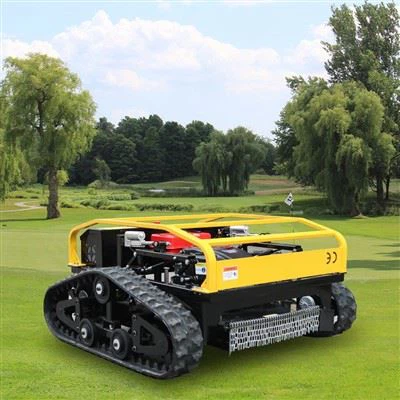
In the realm of lawn care and land management, the question of whether a remote mower can be used on rough ground is a crucial one. As a supplier of remote mowers, I've encountered this query numerous times from customers looking to maintain challenging terrains efficiently. In this blog, we'll delve into the capabilities of remote mowers on rough ground, exploring their features, limitations, and the best practices for optimal performance.
Understanding Rough Ground
Before we discuss the suitability of remote mowers for rough ground, it's essential to define what we mean by "rough ground." Rough ground typically includes areas with uneven surfaces, slopes, rocks, bumps, and thick vegetation. These conditions can pose significant challenges for traditional lawn mowers, which may struggle to navigate and cut through such terrain effectively.
Features of Remote Mowers for Rough Ground
Remote mowers are designed with several features that make them well-suited for rough ground conditions. Here are some key features to look for:
Tracks or Crawler Systems
Many remote mowers, such as the Remote Control Lawn Mower With Tracks, are equipped with tracks or crawler systems. These provide better traction and stability on uneven surfaces, allowing the mower to navigate slopes and rough terrain more easily. The tracks distribute the mower's weight evenly, reducing the risk of getting stuck or tipping over.
Powerful Engines
Rough ground often requires more power to cut through thick vegetation and overcome obstacles. Remote mowers typically come with powerful engines that can handle the increased workload. A high-powered engine ensures that the mower can maintain a consistent cutting speed, even on challenging terrain.
Adjustable Cutting Heights
The ability to adjust the cutting height is essential for mowing rough ground. Different areas of rough terrain may have varying grass heights and vegetation densities. By adjusting the cutting height, you can ensure that the mower cuts the grass to the desired length without getting clogged or damaged.
Durable Construction
Remote mowers designed for rough ground are built to withstand the rigors of challenging environments. They are constructed with high-quality materials that can resist impacts, scratches, and corrosion. Durable construction ensures that the mower can operate reliably over an extended period, even in harsh conditions.
Advantages of Using Remote Mowers on Rough Ground
There are several advantages to using remote mowers on rough ground:
Safety
One of the primary advantages of remote mowers is the increased safety they offer. Mowing rough ground can be dangerous, especially on slopes or near obstacles. With a remote mower, operators can control the mower from a safe distance, reducing the risk of accidents and injuries.
Efficiency
Remote mowers can cover large areas of rough ground more quickly and efficiently than traditional mowers. They can navigate difficult terrain without the need for manual pushing or pulling, saving time and labor. Additionally, remote mowers can be programmed to follow specific patterns, ensuring a more uniform cut.
Precision
Remote mowers allow for precise control over the cutting process. Operators can adjust the mower's speed, direction, and cutting height with ease, ensuring that the grass is cut to the desired length and shape. This precision is particularly important on rough ground, where uneven surfaces can make it challenging to achieve a consistent cut.
Limitations of Remote Mowers on Rough Ground
While remote mowers offer many advantages for rough ground, they also have some limitations:
Terrain Complexity
Extremely rough or steep terrain may still pose challenges for remote mowers. Some areas may be too uneven or have obstacles that are difficult for the mower to navigate. In such cases, manual intervention may be required to clear the area or assist the mower.
Battery Life
Most remote mowers are battery-powered, which means they have a limited operating time. On rough ground, the mower may consume more power due to the increased workload, reducing the battery life even further. Operators need to plan their mowing sessions accordingly and ensure that they have spare batteries on hand.
Cost
Remote mowers can be more expensive than traditional mowers. The advanced features and technology required for rough ground operation contribute to the higher cost. However, the long-term savings in labor and increased efficiency may offset the initial investment.
Best Practices for Using Remote Mowers on Rough Ground
To ensure optimal performance and longevity of your remote mower on rough ground, follow these best practices:
Pre-Mow Inspection
Before starting the mower, conduct a thorough inspection of the area to be mowed. Remove any large rocks, branches, or other obstacles that could damage the mower. Check the mower's blades, tires, and other components to ensure they are in good working condition.
Choose the Right Cutting Height
Select a cutting height that is appropriate for the grass and vegetation on the rough ground. Start with a higher cutting height and gradually lower it as needed. This will help prevent the mower from getting clogged and ensure a more even cut.
Use the Right Speed
Adjust the mower's speed based on the terrain and vegetation density. On rough ground, it's generally best to operate the mower at a slower speed to allow it to handle the obstacles and uneven surfaces more effectively.
Maintain the Mower Regularly
Regular maintenance is essential for keeping your remote mower in good working condition. Clean the mower after each use to remove grass clippings and debris. Check the oil, air filter, and spark plug regularly and replace them as needed. Sharpen the blades periodically to ensure a clean cut.
Conclusion
In conclusion, remote mowers can be a valuable tool for maintaining rough ground. Their advanced features, such as tracks, powerful engines, and adjustable cutting heights, make them well-suited for challenging terrains. While they have some limitations, the advantages of increased safety, efficiency, and precision outweigh the drawbacks. By following the best practices outlined in this blog, you can ensure optimal performance and longevity of your remote mower on rough ground.
If you're interested in learning more about our Remote Control Flail Mower or Robotic Lawn Mower for rough ground applications, please don't hesitate to contact us. We'd be happy to discuss your specific needs and provide you with a customized solution.


References
- Lawn Care Industry Association. (2023). Best Practices for Mowing Rough Ground.
- Remote Mower Manufacturer's Manual. (2023). Operating Instructions for Rough Terrain.