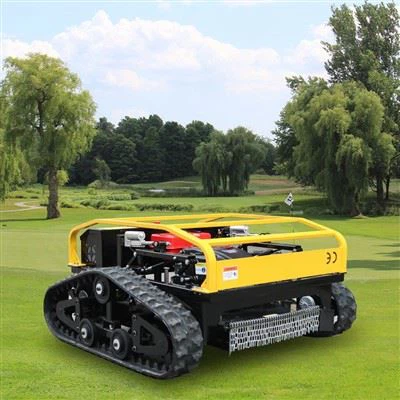
Hey there! As a supplier of remote mowers, I often get asked this question: “Does a remote mower require a lot of maintenance?” Well, let's dive right in and break it down.
First off, let me give you a bit of background on remote mowers. These bad boys are pretty amazing pieces of tech. They come in different types, like the Remote Control Lawn Mower With Tracks and the Remote Control Flail Mower. They're designed to make lawn - cutting a whole lot easier, especially in areas that are hard to reach or dangerous for a human operator.
Now, onto the maintenance part. Compared to traditional lawn mowers, remote mowers don't necessarily require a ton more maintenance. However, there are some unique aspects to keep in mind.
Battery and Power System
Most remote mowers are battery - powered. The battery is like the heart of the mower. You've got to take good care of it. Regularly check the battery's charge level. Over - charging or under - charging can reduce its lifespan. It's a good idea to follow the manufacturer's guidelines on charging cycles. For example, some batteries need to be fully discharged and then fully charged every once in a while to maintain their capacity.
Also, inspect the battery terminals for any signs of corrosion. If you see some green or white gunk on them, clean it off with a mixture of baking soda and water. A corroded terminal can lead to poor electrical connection and affect the mower's performance.
The power cables and connectors are another important part. Look for any fraying or damage. If you spot any issues, it's best to replace them right away. A damaged cable can cause power interruptions and even pose a safety hazard.
Cutting Blades
The cutting blades are what do the actual work of mowing the grass. They need to be sharp and in good condition. Dull blades won't cut the grass cleanly, which can stress the grass and make it more susceptible to diseases.
Regularly check the blades for any signs of wear and tear. If they're chipped or bent, it's time to replace them. Sharpening the blades can also be a good option, but it requires some skill. If you're not confident in your sharpening abilities, it's better to take them to a professional.
Tracks and Wheels
For the Remote Control Lawn Mower With Tracks, the tracks are crucial. Inspect the tracks for any signs of damage, like cuts or tears. Make sure the tracks are properly tensioned. If they're too loose, the mower might slip and not move efficiently. If they're too tight, it can put extra stress on the track system and the motor.
For mowers with wheels, check the tire pressure regularly. Under - inflated tires can make the mower harder to maneuver and can also cause uneven wear on the tires.
Electronics and Remote Control
The electronics and the remote control are the brains of the operation. Keep the remote control clean and dry. Avoid dropping it or exposing it to extreme temperatures. If the remote control starts acting up, check the batteries first. Sometimes, a simple battery change can solve the problem.
Inspect the mower's electronic components for any signs of water damage. Since these mowers are often used outdoors, they can be exposed to rain or dew. If you notice any moisture inside the electronics housing, dry it out thoroughly and check if everything still works.


General Cleaning
After each use, it's a good idea to give the mower a quick clean. Remove any grass clippings, dirt, or debris from the mower's body, blades, and undercarriage. A build - up of grass can cause the mower to overheat and can also attract pests.
Use a soft brush or a compressed air canister to clean hard - to - reach areas. If the mower has a lot of stubborn dirt, you can use a mild soap and water solution, but make sure to dry it completely afterward.
How Does It Compare to Traditional Mowers?
Traditional push mowers or riding mowers also require maintenance. They need oil changes, air filter replacements, and spark plug checks. In some ways, remote mowers are simpler because they don't have an internal combustion engine. You don't have to deal with oil spills or the hassle of mixing gas and oil.
However, the electronic components in remote mowers add a new layer of complexity. But if you follow the maintenance schedule and take good care of your mower, the maintenance workload isn't that much different from a traditional mower.
Long - Term Savings
Taking good care of your remote mower can actually save you money in the long run. A well - maintained mower will last longer, which means you won't have to replace it as often. You'll also avoid costly repairs that can happen if you neglect the maintenance.
For example, if you keep the blades sharp, the mower won't have to work as hard, which can save battery life. And if you regularly check the tracks and wheels, you can prevent major damage that would require expensive replacements.
Conclusion
So, does a remote mower require a lot of maintenance? The answer is no, not really. With some basic care and regular checks, you can keep your remote mower in top shape. It's all about being proactive and addressing any issues as soon as they arise.
If you're in the market for a remote mower or want to learn more about our products, we're here to help. Whether you're a professional landscaper or a homeowner looking for an easier way to mow your lawn, our remote mowers are a great option. Reach out to us for more information and let's start a conversation about how we can meet your mowing needs.
References
- Manufacturer's manuals for remote mowers
- Industry best practices for lawn mower maintenance