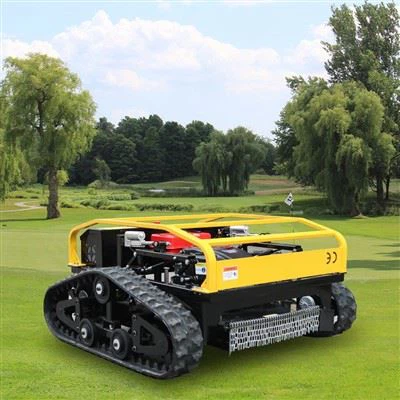
As a supplier of All Wheel Drive Push Mowers, I often receive inquiries from customers about maintenance and repair. One common question is how to replace the spark plug on a gas-powered all wheel drive push mower. In this blog post, I'll guide you through the process step by step.
Why Replace the Spark Plug?
The spark plug is a crucial component in your mower's engine. It creates the spark that ignites the air-fuel mixture in the combustion chamber, which powers the engine. Over time, spark plugs can become fouled with carbon deposits, worn out, or damaged. A faulty spark plug can lead to poor engine performance, hard starting, and increased fuel consumption. Regularly replacing the spark plug can keep your mower running smoothly and efficiently.
Tools and Materials You'll Need
Before you start, gather the following tools and materials:
- A spark plug socket wrench: This is a special socket designed to fit spark plugs. Make sure it's the right size for your mower's spark plug.
- A gap gauge: This tool is used to measure and adjust the gap between the electrodes of the spark plug.
- A new spark plug: Check your mower's owner's manual to find the correct type and heat range of spark plug for your model.
- A clean cloth: You'll use this to clean the area around the spark plug and wipe off any debris.
Step 1: Prepare Your Mower
Safety first! Before you begin working on your mower, make sure it's turned off and the engine has cooled down completely. This will prevent any accidental burns or injuries.
- Remove the key from the ignition if your mower has one.
- Disconnect the spark plug wire by gently pulling it off the spark plug. This will prevent the engine from starting while you're working on it.
Step 2: Locate the Spark Plug
The spark plug is usually located on the side or top of the engine. It's a small, cylindrical component with a wire attached to it. You may need to remove a cover or some other parts to access the spark plug. Refer to your mower's owner's manual for specific instructions on how to locate it.


Step 3: Remove the Old Spark Plug
- Use the spark plug socket wrench to loosen the old spark plug. Turn the wrench counterclockwise until the spark plug is loose enough to remove by hand.
- Carefully pull the old spark plug out of the engine. Be careful not to drop it or damage the threads in the engine block.
- Inspect the old spark plug for signs of wear, damage, or fouling. If the spark plug is black and sooty, it may be a sign of a rich fuel mixture or a problem with the ignition system. If it's white and chalky, it could indicate a lean fuel mixture or overheating.
Step 4: Check and Adjust the Gap on the New Spark Plug
- Before installing the new spark plug, you need to check and adjust the gap between the electrodes. The gap is the distance between the center electrode and the ground electrode. Refer to your mower's owner's manual for the correct gap specification.
- Use the gap gauge to measure the gap on the new spark plug. If the gap is too wide or too narrow, you can adjust it by gently bending the ground electrode with a pair of pliers. Be careful not to bend the electrode too much, as this can damage the spark plug.
Step 5: Install the New Spark Plug
- Apply a small amount of anti-seize compound to the threads of the new spark plug. This will prevent the spark plug from seizing in the engine block and make it easier to remove in the future.
- Carefully insert the new spark plug into the engine block. Use your fingers to thread it in gently until it's snug.
- Use the spark plug socket wrench to tighten the spark plug. Turn the wrench clockwise until the spark plug is tightened to the recommended torque specification. Don't over-tighten the spark plug, as this can damage the threads in the engine block.
Step 6: Reconnect the Spark Plug Wire
- Once the new spark plug is installed, reconnect the spark plug wire by pushing it onto the spark plug until it clicks into place. Make sure the wire is securely attached.
Step 7: Test Your Mower
- After replacing the spark plug, it's time to test your mower. Turn on the mower and see if it starts easily and runs smoothly. If you notice any problems, such as hard starting, rough idling, or poor performance, double-check your work to make sure the spark plug is installed correctly.
Other Types of Lawn Mowers
In addition to all wheel drive push mowers, we also offer a variety of other lawn mowers to meet your needs. Check out our Robotic Lawn Mower for a convenient and hands-free way to keep your lawn looking great. Our Remote Control Lawn Mower With Tracks is perfect for tackling tough terrain and hard-to-reach areas. And if you're looking for a larger mower, we have Riding Lawn Mowers For Sale that offer comfort and efficiency.
Conclusion
Replacing the spark plug on a gas-powered all wheel drive push mower is a relatively simple task that can be done with a few basic tools and some common sense. By following these steps, you can keep your mower running smoothly and efficiently for years to come.
If you're interested in purchasing an all wheel drive push mower or any of our other lawn mowers, please don't hesitate to contact us for more information and to discuss your specific needs. We're here to help you find the perfect mower for your lawn.
References
- Owner's manual of your All Wheel Drive Push Mower
- General knowledge about small engine maintenance