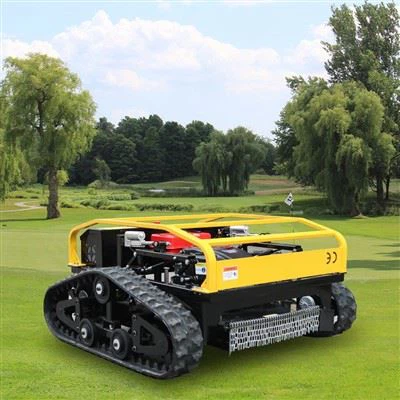
As a reputable supplier of 4 Wheel Drive Lawn Mowers, I understand the importance of maintaining these machines to ensure optimal performance. One crucial aspect of lawn mower maintenance is blade sharpening. A sharp blade not only cuts grass more efficiently but also provides a cleaner cut, which is beneficial for the health of your lawn. In this blog, I'll share some practical steps on how to sharpen the blades of a 4 wheel drive lawn mower.
Step 1: Safety First
Before you start any maintenance work on your lawn mower, safety should be your top priority. First, turn off the engine and remove the spark plug wire to prevent accidental starts. This simple step can save you from serious injuries. Also, wear appropriate safety gear, such as work gloves and safety glasses, to protect your hands and eyes from debris.
Step 2: Prepare the Lawn Mower
To access the blades, you'll need to tilt the lawn mower on its side. Make sure to tilt it in the direction specified in the owner's manual. Usually, it's recommended to tilt it so that the carburetor side is facing up to prevent oil from flowing into the carburetor. This can cause starting problems later on. Once the mower is tilted, use a block or a stable support to keep it in place.
Step 3: Remove the Blades
Locate the blade mounting bolts. These are usually large bolts in the center of the blade. Use a socket wrench to loosen and remove the bolts. Be careful as the blade may be heavy. As you remove the blade, take note of its orientation. Some blades are designed to be installed in a specific way, and installing them incorrectly can affect the mower's performance.
Step 4: Inspect the Blades
Once the blades are removed, closely inspect them for any signs of damage. Look for cracks, chips, or excessive wear. If the blade is severely damaged, it may be necessary to replace it rather than sharpen it. Minor nicks and dullness can usually be fixed by sharpening. You can also check the balance of the blade. An unbalanced blade can cause vibrations in the mower, which can lead to premature wear of other components.
Step 5: Sharpen the Blades
There are several methods you can use to sharpen the blades. One common method is using a bench grinder. If you choose to use a bench grinder, make sure to follow the manufacturer's instructions. Hold the blade firmly against the grinding wheel at the correct angle. The angle of the blade's cutting edge is crucial. Most lawn mower blades have a recommended sharpening angle, which is usually around 30 degrees. As you grind the blade, move it slowly across the wheel to ensure an even sharpening. Be careful not to overheat the blade, as this can cause the metal to lose its temper and become brittle.
Another option is to use a file. A flat file can be used to manually sharpen the blade. Hold the file at the correct angle and make long, smooth strokes along the cutting edge. This method requires more time and effort but can be more precise. You can also use a sharpening stone for a finer finish.
Step 6: Balance the Blades
After sharpening, it's important to balance the blade again. You can use a blade balancer, which is a simple tool that allows you to check if the blade is balanced. Hang the blade on the balancer. If one end of the blade dips lower than the other, it means the blade is unbalanced. You can remove a small amount of material from the heavier end using a file or a grinder to achieve balance.
Step 7: Reinstall the Blades
Once the blades are sharpened and balanced, it's time to reinstall them. Place the blade back on the mower in the correct orientation. Tighten the mounting bolts securely. Make sure not to overtighten, as this can damage the blade or the mower's components.
Step 8: Reassemble the Mower
After the blades are reinstalled, carefully lower the lawn mower back to its normal position. Reconnect the spark plug wire. Before starting the mower, double - check that everything is properly assembled and that all tools are removed from around the mower.
Step 9: Test the Mower
Start the mower and let it run for a few minutes. Listen for any unusual noises or vibrations. If everything sounds normal, take the mower for a test run on a small area of the lawn. Observe how the mower cuts the grass. A sharp blade should provide a clean, even cut.
Regular blade sharpening is essential for the proper functioning of your 4 wheel drive lawn mower. It not only improves the mower's performance but also extends its lifespan. As a 4 Wheel Drive Lawn Mower supplier, I recommend sharpening the blades at least once a season, or more often if you use the mower frequently.
If you're interested in high - quality 4 wheel drive lawn mowers, you might also be interested in our Remote Lawn Mower, Remote Control Mower, and Remote Control Lawn Mower With Tracks. These innovative products offer advanced features and excellent performance.


We are always ready to assist you with your lawn mower needs. Whether you're looking to purchase a new mower or need advice on maintenance, feel free to reach out. We're here to help you make the most of your lawn care equipment.
References
- Lawn Mower Owner's Manuals
- General Lawn Care and Maintenance Guides
- Industry - specific Publications on Lawn Mower Maintenance