Hey there, fellow lawn enthusiasts! As a supplier of 4wd Lawn Mower, I know how important it is to take good care of your 4wd lawn mower, especially during the winter months. A well - maintained mower not only lasts longer but also performs better when the mowing season rolls around again. So, let's dive into how you can store your 4wd lawn mower properly in the winter.
1. Clean the Mower Thoroughly
Before you even think about storing your mower, you've got to give it a good cleaning. Grass clippings, dirt, and debris can build up over the mowing season, and if left on the mower, they can cause rust and other damage during the winter.
Start by removing the grass catcher and emptying it. Then, use a brush or a high - pressure hose to clean the underside of the mower deck. This is where most of the grass and dirt accumulate. Make sure to get into all the nooks and crannies. You can also use a putty knife to scrape off any stubborn clumps.
Next, clean the exterior of the mower. Wipe down the handles, the engine cover, and the wheels. A mild soap and water solution works great for this. Rinse it off thoroughly and let it dry completely. This step is crucial because any moisture left on the mower can lead to rust.
2. Drain the Fuel System
Fuel can cause a lot of problems if left in the mower over the winter. It can break down, form varnish, and clog the carburetor. There are a couple of ways to handle the fuel system.
Option 1: Run the Mower Dry
One way is to run the mower until the fuel tank is empty. This will ensure that there's no old fuel left in the system. However, this method can be a bit tricky because you need to make sure you don't run the engine dry for too long, which can damage it.
Option 2: Drain the Fuel
The other option is to drain the fuel from the tank. You can use a siphon pump to do this. Once the tank is empty, you should also drain the fuel from the carburetor. Some mowers have a drain plug on the carburetor for this purpose. If not, you may need to remove the carburetor bowl to drain the fuel.
If you choose to drain the fuel, you can also add a fuel stabilizer to the remaining fuel in your storage container. This will keep the fuel fresh for when you need to refill the mower next season.
3. Change the Oil
Just like your car, your lawn mower's engine needs fresh oil. Over time, the oil can become dirty and lose its lubricating properties. Changing the oil before storage is a good idea because it will help keep the engine in good condition.
First, warm up the engine for a few minutes. This will make the oil thinner and easier to drain. Then, place an oil drain pan under the engine and remove the oil drain plug. Let the oil drain completely. After that, replace the drain plug and refill the engine with the recommended type and amount of oil. Check the oil level with the dipstick to make sure it's at the right level.
4. Sharpen and Balance the Blades
Dull blades can tear the grass instead of cutting it cleanly, which can lead to a less healthy lawn. Sharpening the blades before storage is a great idea because it will save you time when the mowing season starts again.
You can use a file or a blade sharpener to sharpen the blades. Make sure to follow the original bevel of the blade. After sharpening, you also need to balance the blades. An unbalanced blade can cause the mower to vibrate excessively, which can damage the engine and other components. You can use a blade balancer to check if the blade is balanced. If one side is heavier, you can file a little bit off the heavier side until it's balanced.
5. Check and Replace Air Filters
The air filter in your mower prevents dirt and debris from entering the engine. Over time, it can get clogged, which can reduce the engine's performance. Check the air filter and clean or replace it if necessary.

If it's a foam air filter, you can wash it in a mild soap and water solution. Rinse it thoroughly and let it dry completely before reinstalling. If it's a paper air filter, it's usually best to replace it with a new one.
6. Store the Mower in a Dry Place
Once you've completed all the maintenance steps, it's time to find a good place to store the mower. A dry, sheltered area is ideal. A garage or a shed works great. Avoid storing the mower outside where it will be exposed to the elements.
If you don't have a garage or a shed, you can use a lawn mower cover. Make sure the cover is made of a breathable material to prevent moisture buildup. You can also elevate the mower off the ground using blocks or a stand. This will prevent the wheels from getting flat spots and also keep the mower away from any moisture on the floor.
7. Consider a Remote Lawn Mower
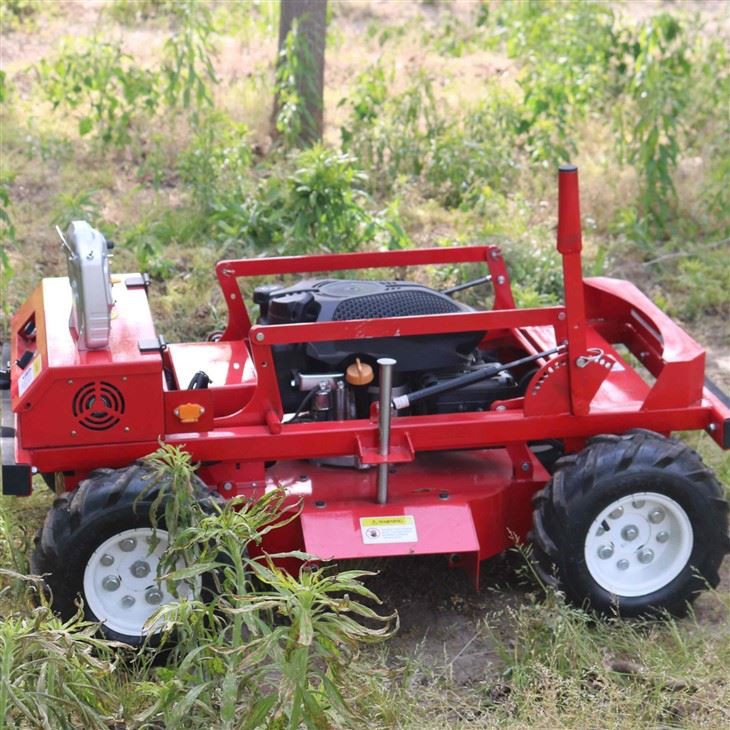
If you're looking for a more convenient way to mow your lawn, you might want to check out a Remote Lawn Mower. These mowers allow you to control them from a distance, which can be really handy, especially for large or uneven lawns. They also offer a lot of the same features as traditional 4wd lawn mowers, like powerful engines and sharp blades.
8. Check the Battery (if applicable)
If your 4wd lawn mower is battery - powered, you need to take special care of the battery. First, remove the battery from the mower. Clean the battery terminals with a wire brush to remove any corrosion. Then, charge the battery fully.
Store the battery in a cool, dry place. You can also use a battery maintainer to keep the battery charged over the winter. This will prevent the battery from losing its charge and extend its lifespan.
9. Lubricate Moving Parts
There are several moving parts on your lawn mower, such as the wheels, the axles, and the linkages. Lubricating these parts before storage will help prevent them from rusting and seizing up.
You can use a light machine oil or a silicone - based lubricant. Apply the lubricant to the moving parts according to the manufacturer's instructions. This will ensure that the mower operates smoothly when you start using it again.
10. Inspect and Tighten Bolts and Nuts
Vibration from the mower's operation can cause bolts and nuts to loosen over time. Before storage, go over the mower and check all the bolts and nuts. Use a wrench to tighten any that are loose. This will prevent any parts from coming loose during storage or when you start using the mower again.
Why Proper Storage Matters
Properly storing your 4wd lawn mower in the winter isn't just about making it last longer. It's also about ensuring that it performs at its best when you need it. A well - maintained mower will cut your grass more cleanly, use less fuel, and require fewer repairs.
As a 4wd Lawn Mower supplier, I've seen firsthand the difference that proper storage can make. Customers who take the time to store their mowers correctly come back to us with fewer problems and are generally more satisfied with their mowers.
Contact Us for Your Lawn Mower Needs
If you're in the market for a new 4wd lawn mower or need any parts or accessories, don't hesitate to reach out. We're here to help you find the perfect mower for your lawn and provide you with all the information you need to keep it in top condition. Whether you're a professional landscaper or a homeowner with a small lawn, we've got the right mower for you.
References
- Lawn Mower Maintenance Guide, Various Manufacturers
- Outdoor Power Equipment Association Publications