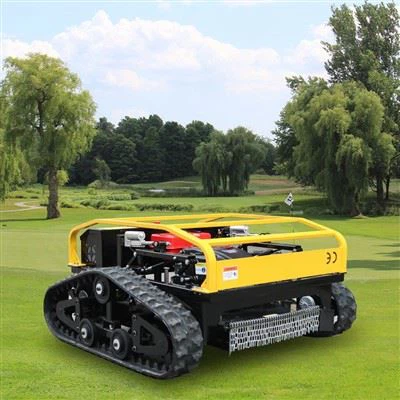
Transporting a remote mower can be a complex task that requires careful planning and execution. As a supplier of remote mowers, I've encountered various challenges and learned effective strategies for transporting these valuable machines. In this blog, I'll share my insights on how to transport a remote mower safely and efficiently.
Understanding the Remote Mower
Before we delve into the transportation process, it's essential to understand the nature of remote mowers. Remote mowers, such as the Remote Control Lawn Mower With Tracks, Remote Control Mower, and Remote Control Grass Cutter, are designed to operate in various terrains and conditions. They are often equipped with advanced technology and sensitive components, which means they need to be handled with care during transportation.
Pre - Transport Preparation
Inspection
The first step in transporting a remote mower is to conduct a thorough inspection. Check the mower for any signs of damage or wear. Ensure that all the components, such as the blades, tracks (if applicable), and control systems, are in good working condition. This inspection not only helps in identifying potential issues but also serves as a baseline for assessing any damage that may occur during transportation.
Cleaning
Clean the mower before transportation. Remove any dirt, grass clippings, or debris from the mower. This not only makes the mower look better but also prevents the accumulation of moisture, which can lead to rust and corrosion. A clean mower is also easier to handle and load onto the transportation vehicle.
Securing Loose Parts
Identify any loose parts on the mower and secure them properly. This may include tightening bolts, nuts, and screws. If there are any removable parts, such as blades or attachments, consider removing them and packing them separately. This reduces the risk of damage to these parts during transportation.
Documentation
Gather all the necessary documentation related to the mower. This includes the user manual, warranty information, and any maintenance records. Having these documents readily available can be helpful in case of any issues during transportation or at the destination.
Choosing the Right Transportation Method
Local Transportation
For local transportation, a flat - bed trailer or a pickup truck can be a suitable option. If using a flat - bed trailer, ensure that it is of the appropriate size and weight capacity to accommodate the mower. Use high - quality tie - down straps to secure the mower to the trailer. Make sure the straps are tight and that the mower is centered on the trailer to prevent it from shifting during transit.
If using a pickup truck, place the mower in the bed of the truck and secure it using tie - down straps. You may also need to use a ramp to load the mower onto the truck safely.
Long - Distance Transportation
For long - distance transportation, professional freight services are often the best choice. Look for a freight company that has experience in transporting heavy equipment. Provide the freight company with detailed information about the mower, including its dimensions, weight, and any special handling requirements.
The freight company may use a variety of transportation methods, such as trucks, trains, or a combination of both. They will also take care of the necessary paperwork, such as shipping labels and customs documentation (if applicable).
Loading and Unloading
Loading
When loading the mower, use a ramp if necessary. Ensure that the ramp is stable and secure. If using a forklift to load the mower, make sure the forklift operator is experienced and trained to handle the mower safely.
When loading the mower onto a trailer or truck, position it carefully. Center the mower to distribute the weight evenly. Use tie - down straps to secure the mower at multiple points. Attach the straps to the mower's frame or designated tie - down points.
Unloading
Unloading the mower follows a similar process to loading. Use a ramp or forklift to safely remove the mower from the transportation vehicle. Once the mower is unloaded, conduct another inspection to check for any damage that may have occurred during transportation.
Safety Considerations
Driver Safety
If you are transporting the mower yourself, make sure you are a licensed and experienced driver. Familiarize yourself with the handling characteristics of the transportation vehicle, especially when it is loaded with the mower. Follow all traffic laws and regulations, and drive at a safe speed.
Road Conditions
Be aware of the road conditions during transportation. Avoid rough or uneven roads if possible. If you have to travel on such roads, drive slowly and carefully to minimize the impact on the mower.
Weather Conditions
Weather can have a significant impact on the transportation of a remote mower. Avoid transporting the mower in extreme weather conditions, such as heavy rain, snow, or strong winds. If you must transport the mower in adverse weather, take appropriate precautions, such as covering the mower with a waterproof tarp.
Insurance
It is highly recommended to obtain insurance coverage for the mower during transportation. This provides financial protection in case of any damage or loss that may occur during transit. Contact your insurance provider and discuss the options available for insuring the mower during transportation.
At the Destination
Once the mower reaches its destination, conduct a final inspection. Compare the mower's condition with the pre - transport inspection. If there is any damage, document it thoroughly and contact the transportation company or insurance provider immediately.


Set up the mower at the destination according to the manufacturer's instructions. Test the mower to ensure that it is working properly. If there are any issues, refer to the documentation or contact the manufacturer's customer support.
Conclusion
Transporting a remote mower requires careful planning, preparation, and execution. By following the steps outlined in this blog, you can ensure that your mower is transported safely and arrives at its destination in good condition.
If you are in the market for a high - quality remote mower, we are a leading supplier of Remote Control Lawn Mower With Tracks, Remote Control Mower, and Remote Control Grass Cutter. Our products are designed to meet the highest standards of quality and performance. If you are interested in purchasing a remote mower or have any questions about our products, please feel free to contact us for a procurement discussion.
References
- Manufacturer's user manuals for remote mowers
- Industry best practices for transporting heavy equipment
- Guidelines from freight transportation companies