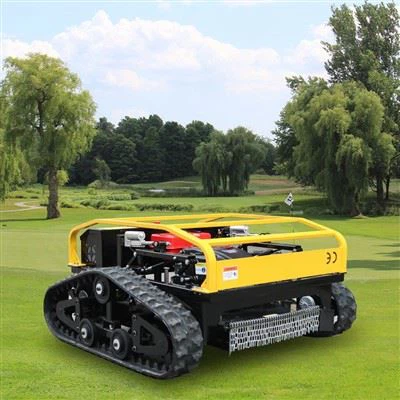
Transporting a remote mower can be a bit of a challenge, but with the right approach, it can be done smoothly. As a supplier of Remote Mowers, I've had my fair share of experiences in getting these machines from our facility to our customers. In this blog, I'll share some tips and tricks on how to transport a remote mower effectively.
First off, let's talk about the types of remote mowers we deal with. We have the Remote Control Flail Mower and the Robotic Lawn Mower, both of which fall under the category of Remote Mower. Each type has its own characteristics when it comes to transportation.


Pre - transport Preparation
Before you even think about transporting the remote mower, you need to do some prep work. Start by inspecting the mower thoroughly. Check for any loose parts, damaged components, or fluid leaks. Make sure all the blades are sharp and properly installed. If you find any issues, fix them before transportation to avoid further damage during the journey.
Next, clean the mower. A dirty mower can attract dirt and debris during transit, which might cause problems later. Use a pressure washer or a hose to clean the exterior, and don't forget to clean the undercarriage as well. This not only makes the mower look good but also helps in preventing corrosion.
If your remote mower has a battery, remove it. Batteries can be a safety hazard during transportation, especially if they're not properly secured. Store the battery in a safe place, preferably in a battery - storage case, and make sure it's fully charged before reinstalling it at the destination.
Choosing the Right Transport Method
There are several ways to transport a remote mower, and the choice depends on various factors such as the distance, the size of the mower, and your budget.
Local Delivery
For local deliveries, you can use a pickup truck or a trailer. If you're using a pickup truck, make sure to secure the mower properly. You can use straps or ropes to tie it down to the bed of the truck. Place some padding, like foam or rubber mats, under the mower to prevent scratches.
If you opt for a trailer, ensure that it's the right size for the mower. A trailer that's too small might not hold the mower securely, while one that's too large can be a hassle to maneuver. Check the trailer's brakes, lights, and tires before loading the mower.
Long - distance Shipping
For long - distance shipping, you might want to consider using a freight carrier. There are many freight companies that specialize in transporting heavy equipment. When choosing a freight carrier, look for one with a good reputation and experience in handling mowers.
Get quotes from multiple carriers to compare prices and services. Make sure to provide them with accurate information about the mower, including its dimensions, weight, and any special handling requirements.
Some freight carriers offer door - to - door service, which can be very convenient. However, it might be a bit more expensive than terminal - to - terminal service. With terminal - to - terminal service, you'll need to drop off the mower at the carrier's terminal and pick it up at the destination terminal.
Loading the Remote Mower
Loading the remote mower safely is crucial to prevent damage. If you're using a trailer or a truck, position the mower in the center as much as possible. This helps in maintaining balance during transportation.
When loading the mower onto a trailer, use a ramp. Make sure the ramp is sturdy and properly secured. Slowly drive the mower up the ramp, or if it's a robotic mower that can't drive itself, use a winch to pull it up.
Once the mower is on the trailer or in the truck, secure it tightly. Use at least four strong straps or ropes, and tie them to the mower's frame or other secure points. Cross the straps over the mower to prevent it from shifting side - to - side.
During Transport
During transport, keep an eye on the mower if possible. If you're driving the truck or towing the trailer, make sure to drive carefully. Avoid sudden stops, starts, and sharp turns, as these can cause the mower to shift or fall.
If you're shipping the mower via a freight carrier, track the shipment. Most carriers provide online tracking services, so you can monitor the progress of your mower's journey.
Unloading the Remote Mower
When you reach the destination, it's time to unload the mower. Follow the same safety procedures as when loading. If you're using a ramp, make sure it's in place and secure. Slowly drive or lower the mower down the ramp.
Once the mower is unloaded, inspect it again. Check for any signs of damage that might have occurred during transportation. If you find any issues, document them and contact the carrier immediately if it was shipped.
Final Checks at the Destination
After unloading, reinstall the battery if you removed it earlier. Check all the settings on the remote control or the robotic system to make sure they're working properly. Test the mower to ensure that it starts and runs smoothly.
In conclusion, transporting a remote mower requires careful planning and attention to detail. By following these steps, you can ensure that your mower arrives at its destination in good condition.
If you're interested in purchasing a Remote Mower, whether it's a Remote Control Flail Mower or a Robotic Lawn Mower, we're here to help. We can assist you not only with the purchase but also with the transportation process. Contact us for more information and to start the procurement negotiation.
References
- General knowledge and experience in the remote mower industry.
- Tips from professional equipment transporters.