When it comes to maintaining a beautiful lawn, a reliable lawn mower is essential. In today's market, battery - powered lawn mowers have gained significant popularity due to their convenience, eco - friendliness, and quiet operation. As a lawn mower supplier, one of the most frequently asked questions we receive is, "How long does a lawn mower battery last?" In this blog, we will explore the factors that affect the lifespan of a lawn mower battery and provide some tips on how to extend its longevity.
Battery Types and Their Expected Lifespans
There are primarily two types of batteries used in lawn mowers: lead - acid batteries and lithium - ion batteries.
Lead - acid batteries have been around for a long time and are relatively inexpensive. They are typically found in older or more budget - friendly lawn mower models. However, they have a shorter lifespan compared to lithium - ion batteries. On average, a lead - acid battery in a lawn mower can last between 2 to 3 years with regular use. This is because lead - acid batteries are prone to sulfation, a process where lead sulfate crystals build up on the battery plates over time, reducing the battery's ability to hold a charge.
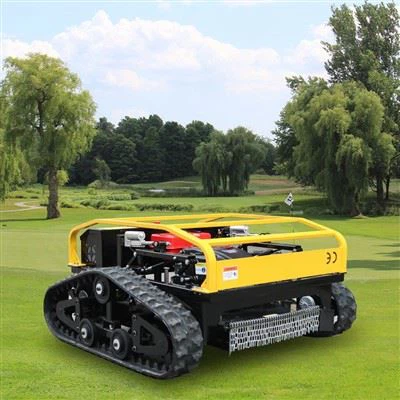
Lithium - ion batteries, on the other hand, are a newer technology and offer several advantages. They are lighter, have a higher energy density, and are more resistant to the effects of deep discharging. A lithium - ion battery in a lawn mower can last anywhere from 5 to 10 years, depending on usage and maintenance. These batteries are commonly used in high - end Robotic Lawn Mower and Remote Lawn Mower models, as they provide longer run times and better performance.
Factors Affecting Battery Lifespan
Usage Patterns
The way you use your lawn mower has a significant impact on the battery's lifespan. If you frequently mow large lawns or use the mower for extended periods without giving the battery a chance to rest, it will wear out faster. For example, if you have a very large lawn and try to mow it all in one go, the battery will be under constant high - load conditions, which can lead to overheating and premature aging. On the other hand, if you mow smaller lawns in shorter intervals, the battery will experience less stress and last longer.
Charging Habits
Proper charging is crucial for maintaining the health of your lawn mower battery. Overcharging or undercharging can both have negative effects. Overcharging a lead - acid battery can cause the electrolyte to boil, leading to water loss and damage to the battery plates. With lithium - ion batteries, overcharging can lead to overheating and a reduction in the battery's capacity over time. It is important to follow the manufacturer's charging instructions carefully. For example, some lithium - ion batteries are designed to be charged using a specific charger and at a specific rate.
Storage Conditions
How you store your lawn mower and its battery during the off - season can also affect the battery's lifespan. If you store the battery in a cold environment, its chemical reactions slow down, and it may lose its charge more quickly. On the other hand, storing the battery in a hot and humid environment can cause corrosion and damage to the battery components. It is recommended to store the battery in a cool, dry place and to charge it to about 50% of its capacity before storage.
Maintenance
Regular maintenance of the battery and the lawn mower can help extend the battery's lifespan. For lead - acid batteries, this includes checking the electrolyte levels regularly and adding distilled water if necessary. For lithium - ion batteries, keeping the battery contacts clean and free of debris is important. Additionally, making sure the lawn mower's cutting blades are sharp can reduce the load on the battery, as a dull blade requires more power to cut through the grass.
Tips to Extend Battery Lifespan
Follow the Manufacturer's Guidelines
This cannot be emphasized enough. Each lawn mower battery is different, and the manufacturer provides specific instructions on how to charge, use, and store the battery. By following these guidelines, you can ensure that you are getting the most out of your battery.
Charge the Battery Correctly
Use the charger that came with the lawn mower or a charger that is specifically recommended by the manufacturer. Avoid using a charger that is not compatible, as this can damage the battery. Also, do not leave the battery on the charger for an extended period after it is fully charged.
Keep the Battery Cool
During use, try to avoid overheating the battery. If the lawn mower has a built - in temperature sensor, pay attention to any warnings. If the battery gets too hot, stop using the mower and let the battery cool down before continuing.


Store the Battery Properly
As mentioned earlier, store the battery in a cool, dry place during the off - season. If possible, remove the battery from the lawn mower and store it separately. This can prevent any potential electrical issues that could damage the battery.
How to Know When Your Battery Needs Replacement
There are several signs that indicate your lawn mower battery may need to be replaced. If the mower starts to lose power quickly during use, even after a full charge, this could be a sign of a failing battery. Another sign is if the battery takes a long time to charge or does not hold a charge at all. Additionally, if you notice any physical damage to the battery, such as cracks or leaks, it is time to replace it.
Conclusion
As a lawn mower supplier, we understand the importance of a reliable battery for your lawn mower. The lifespan of a lawn mower battery can vary depending on the type of battery, usage patterns, charging habits, storage conditions, and maintenance. By following the tips outlined in this blog, you can extend the lifespan of your battery and ensure that your lawn mower continues to perform at its best.
If you are in the market for a new lawn mower or need a replacement battery, we are here to help. Our wide range of products includes Robotic Lawn Mower, Remote Lawn Mower, and Remote Control Flail Mower, all equipped with high - quality batteries. Contact us today to discuss your specific needs and start a procurement negotiation.
References
- Battery University. "How to Prolong Lithium - based Batteries."
- Lawn Mower Manufacturer Manuals. Various models and brands.
- Journal of Power Sources. Research on battery degradation mechanisms in power tools.