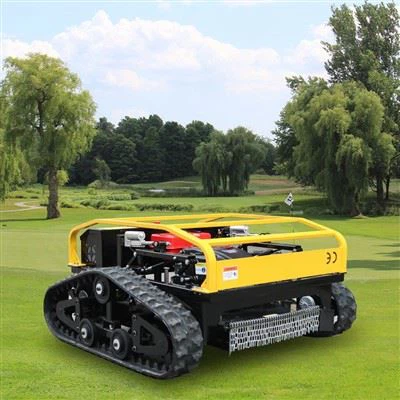
Hey there, lawn enthusiasts! As a supplier of top - notch 4wd Lawn Mowers, I often get questions from customers about maintaining their machines. One of the most common issues is adjusting the tension of the drive belt. In this blog, I'll walk you through the process step by step.
First off, let's understand why drive belt tension is so important. The drive belt in your 4wd lawn mower transfers power from the engine to the wheels. If the belt is too loose, it won't grip properly, leading to slippage and reduced performance. On the other hand, if it's too tight, it can cause excessive wear on the belt and other components, and may even lead to premature failure.
Before you start adjusting the drive belt tension, you need to gather a few tools. You'll typically need a socket wrench set, a screwdriver, and maybe a pair of pliers. Safety first, so make sure the lawn mower is turned off and the spark plug wire is disconnected. This prevents any accidental starts while you're working on the machine.
Now, locate the drive belt on your 4wd lawn mower. It's usually found near the engine and the transmission. You might need to remove a cover or a guard to get a clear view of the belt. Some mowers have an access panel that you can simply unscrew to expose the belt.
Once you can see the belt, take a good look at its condition. Check for any signs of wear, such as cracks, fraying, or glazing. If the belt is in bad shape, it's a good idea to replace it before adjusting the tension. You can find replacement belts at most hardware stores or directly from us, as a 4wd Lawn Mower supplier. You can check out our range of 4wd Lawn Mower on our website.
To adjust the tension, you'll need to find the tensioning mechanism. This can vary depending on the make and model of your mower. In some cases, there's a tension pulley that you can adjust using a bolt or a nut. Loosen the bolt or nut slightly, and then move the pulley to increase or decrease the tension on the belt. You can use your fingers to feel the tightness of the belt. It should have a little bit of give, but not be too loose.
Another common method is to adjust the position of the engine. Some mowers allow you to move the engine forward or backward to change the belt tension. There are usually bolts or brackets that hold the engine in place. Loosen these bolts, and then carefully move the engine to the desired position. Make sure to tighten the bolts securely once you've set the correct tension.
After you've made the adjustment, it's a good idea to check the belt tension again. You can do this by pressing down on the belt midway between the pulleys. It should deflect about 1/2 to 3/4 of an inch. If it deflects too much, the belt is too loose, and if it hardly deflects at all, the belt is too tight.
Once you're satisfied with the tension, reinstall any covers or guards that you removed earlier. Reconnect the spark plug wire, and start the mower. Listen for any unusual noises, such as squealing or rattling, which could indicate that the belt tension is still off. If everything sounds good, take the mower for a test run on a small area of your lawn.


If you're still having trouble adjusting the drive belt tension, don't worry. We're here to help. As a 4wd Lawn Mower supplier, we have a team of experts who can provide you with more detailed instructions or even offer on - site assistance in some cases.
Now, let's talk a bit about the benefits of a well - maintained drive belt. A properly tensioned belt ensures smooth and efficient operation of your 4wd lawn mower. It improves fuel efficiency, reduces wear and tear on the engine and transmission, and extends the lifespan of the belt itself. This means less downtime and lower maintenance costs in the long run.
We also offer a range of remote - controlled lawn mowers. If you're interested in a more convenient way to mow your lawn, check out our Remote Lawn Mower on our website. These mowers are great for large lawns or areas that are difficult to access.
If you're in the market for a new 4wd lawn mower or need replacement parts for your existing one, we'd love to hear from you. Whether you're a professional landscaper or a homeowner looking to keep your lawn in top shape, we have the products and expertise to meet your needs. Contact us to start a procurement discussion, and let's find the perfect solution for your lawn care requirements.
In conclusion, adjusting the drive belt tension in a 4wd lawn mower is a relatively simple process that can have a big impact on the performance and longevity of your machine. By following the steps outlined in this blog, you should be able to keep your mower running smoothly for years to come.
References:
- "Lawn Mower Maintenance Guide" - General lawn mower maintenance book
- Manufacturer's manuals for various 4wd lawn mowers