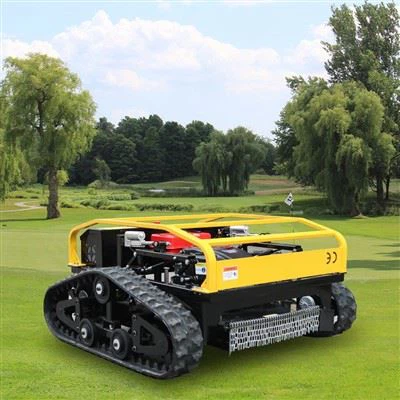
Installing the blades on a remote mower is a crucial task that ensures the efficient and safe operation of the equipment. As a leading Remote Mower supplier, we understand the importance of providing clear and detailed guidance on this process. In this blog, we will walk you through the step-by-step process of installing the blades on a remote mower, along with some important safety considerations and tips.
Prerequisites
Before you begin the blade installation process, it is essential to gather all the necessary tools and materials. Here's a list of items you will need:
- Replacement blades: Make sure you have the correct blades for your specific remote mower model. You can find the appropriate blades in our product catalog, where we offer a wide range of Remote Grass Mower blades designed to fit different models.
- Socket wrench set: This will be used to remove and install the blade bolts.
- Safety gloves: To protect your hands from sharp edges and potential injuries.
- Safety goggles: To shield your eyes from debris and particles.
- Workbench or a stable surface: To provide a secure and flat area for working on the mower.
Safety First
Safety should always be your top priority when working with any power equipment, including remote mowers. Here are some important safety tips to keep in mind before starting the blade installation:
- Disconnect the power source: Ensure that the remote mower is turned off and the battery is removed or the power cord is unplugged to prevent accidental startup.
- Allow the mower to cool down: If the mower has been recently used, give it some time to cool down to avoid burns.
- Wear appropriate safety gear: Put on safety gloves and goggles to protect yourself from potential hazards.
- Secure the mower: Place the mower on a stable surface and use wheel chocks or blocks to prevent it from rolling.
Step-by-Step Blade Installation Process
Step 1: Access the Blade Housing
The first step is to access the blade housing of the remote mower. This may involve removing a deck cover or panel, depending on the model of your mower. Refer to your mower's user manual for specific instructions on how to access the blade housing.
Step 2: Remove the Old Blades
Once you have access to the blade housing, you will see the old blades attached to the mower's spindle. Use a socket wrench to loosen and remove the blade bolts. Make sure to keep the bolts in a safe place, as you will need them to install the new blades.
Step 3: Inspect the Spindle and Blade Housing
Before installing the new blades, take a moment to inspect the spindle and blade housing for any signs of damage or wear. Look for cracks, bends, or excessive rust. If you notice any issues, it is recommended to replace the damaged parts before proceeding with the blade installation.


Step 4: Install the New Blades
Place the new blades onto the spindle, aligning the bolt holes with the holes in the spindle. Make sure the blades are oriented correctly, as some blades are designed to rotate in a specific direction. Refer to the blade manufacturer's instructions or your mower's user manual for the correct blade orientation.
Step 5: Tighten the Blade Bolts
Once the new blades are in place, use a socket wrench to tighten the blade bolts securely. Make sure the bolts are tightened evenly to prevent the blades from wobbling or becoming loose during operation. Do not over-tighten the bolts, as this can cause damage to the blade or the spindle.
Step 6: Reassemble the Mower
After installing the new blades, reassemble the mower by replacing the deck cover or panel. Make sure all the parts are properly aligned and secured.
Step 7: Test the Mower
Before using the mower, it is important to test it to ensure that the blades are installed correctly and the mower is operating safely. Reconnect the power source, start the mower, and let it run for a few minutes. Listen for any unusual noises or vibrations, and check for any signs of blade imbalance or improper operation. If you notice any issues, stop the mower immediately and recheck the blade installation.
Tips for Blade Installation
- Follow the manufacturer's instructions: Always refer to the blade manufacturer's instructions and your mower's user manual for specific guidance on blade installation.
- Use the right tools: Make sure you have the correct tools for the job, and use them properly to avoid damaging the blades or the mower.
- Check the blade balance: Before installing the blades, check their balance using a blade balancer. Imbalanced blades can cause excessive vibration and premature wear on the mower's components.
- Replace blades regularly: Over time, the blades will wear down and become dull. It is recommended to replace the blades at least once a season or more frequently if you mow frequently or in tough conditions.
Conclusion
Installing the blades on a remote mower is a relatively straightforward process, but it requires careful attention to detail and adherence to safety guidelines. By following the steps outlined in this blog and using the right tools and techniques, you can ensure that your remote mower's blades are installed correctly and operating safely.
If you have any questions or need further assistance with blade installation or any other aspect of remote mower maintenance, please feel free to contact us. As a trusted Remote Control Mower supplier, we are committed to providing our customers with high-quality products and excellent customer service. We offer a wide range of Remote Control Lawn Mower With Tracks and replacement parts to meet your specific needs. Whether you are a professional landscaper or a homeowner looking for a reliable remote mower, we have the solution for you.
Contact us today to discuss your requirements and explore our product offerings. We look forward to helping you find the perfect remote mower for your needs.
References
- Manufacturer's user manuals for remote mowers and replacement blades.
- Safety guidelines for power equipment maintenance and operation.