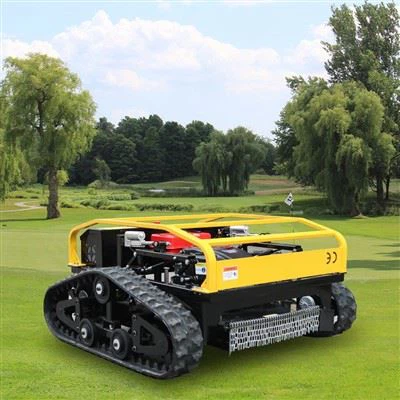
Maintaining the wheels on a lawn mower is a crucial aspect of ensuring its optimal performance and longevity. As a Wheel Lawn Mowe supplier, I understand the importance of well-maintained wheels for a smooth and efficient mowing experience. In this blog, I will share some valuable tips on how to maintain the wheels on a lawn mower, covering various aspects from inspection to cleaning and lubrication.
Regular Inspection
The first step in maintaining the wheels on a lawn mower is to conduct regular inspections. This should be done before and after each use, as well as periodically throughout the mowing season. During the inspection, check for any signs of damage, such as cracks, dents, or excessive wear on the wheel rims. Look for loose or missing nuts and bolts, as these can cause the wheels to become unstable and affect the mower's performance.
Inspect the tires for proper inflation. Under - inflated tires can make the mower harder to push or maneuver, while over - inflated tires can lead to a rough ride and uneven cutting. Use a tire pressure gauge to check the pressure and inflate or deflate the tires as needed. Refer to the mower's owner's manual for the recommended tire pressure.
Also, examine the wheel bearings. Worn or damaged bearings can cause the wheels to make a grinding or squeaking noise and may lead to premature wheel failure. If you notice any unusual noises or resistance when turning the wheels, it's likely that the bearings need to be replaced.
Cleaning the Wheels
Cleaning the wheels regularly is essential to prevent the buildup of dirt, grass clippings, and debris. These substances can accumulate over time and cause corrosion, especially on metal wheel rims. To clean the wheels, start by removing any large debris with a brush or a hose.
For a more thorough cleaning, you can use a mild detergent and a soft cloth or sponge. Avoid using abrasive cleaners or brushes, as these can scratch the wheel surfaces. Rinse the wheels thoroughly with clean water and dry them with a towel to prevent rusting.
If the wheels have a lot of stubborn dirt or grease, you may need to use a degreaser. Apply the degreaser according to the manufacturer's instructions, let it sit for a few minutes, and then scrub the wheels gently. Rinse well to remove all traces of the degreaser.


Lubricating the Moving Parts
Proper lubrication of the wheel bearings and other moving parts is vital for smooth operation. Lubrication reduces friction, which in turn extends the life of the wheels and their components. For wheel bearings, use a high - quality grease. You can use a grease gun to apply the grease to the bearings.
Before applying the grease, make sure the bearings are clean and dry. Remove the old grease if it's dirty or has become hardened. Apply the new grease evenly to the bearings, ensuring that all the moving parts are well - lubricated.
For other moving parts, such as axles and pivot points, use a light oil or a silicone - based lubricant. Apply a small amount of lubricant to these areas and work it in by rotating the wheels or moving the parts back and forth.
Replacing Worn - Out Parts
Even with regular maintenance, some parts of the wheels will eventually wear out and need to be replaced. As mentioned earlier, if the wheel bearings are damaged, they should be replaced promptly. You can purchase replacement bearings from a lawn mower parts store or directly from the mower manufacturer.
If the tires are worn beyond repair, it's time to get new ones. When choosing replacement tires, make sure they are the correct size and type for your lawn mower. You can find this information in the mower's owner's manual or on the sidewall of the existing tires.
In some cases, you may also need to replace the wheel rims if they are severely damaged. Rims can be bent or cracked due to hitting obstacles or rough terrain. A damaged rim can affect the balance and stability of the wheels, so it's important to replace it as soon as possible.
Storing the Mower Properly
Proper storage of the lawn mower during the off - season can also contribute to the longevity of the wheels. When storing the mower, clean the wheels thoroughly and make sure they are dry. If possible, store the mower on a flat surface to prevent the wheels from becoming misshapen.
If you have a long - term storage period, you may want to consider removing the wheels. This can help prevent flat spots from forming on the tires due to prolonged sitting. Store the wheels in a cool, dry place, and cover them to protect them from dust and moisture.
Importance of Quality Wheels
As a Wheel Lawn Mowe supplier, I emphasize the importance of using high - quality wheels for your lawn mower. Quality wheels are made from durable materials that can withstand the rigors of regular mowing. They are designed to provide better traction, stability, and maneuverability, which in turn improves the overall performance of the mower.
Investing in good - quality wheels may cost a bit more upfront, but it can save you money in the long run by reducing the need for frequent replacements and repairs. At our company, we offer a wide range of wheels for different types of lawn mowers, including Remote Control Lithium Battery Lawn Mower, Remote Control Mower, and Remote Control Lawn Mower With Tracks. Our wheels are carefully selected and tested to ensure they meet the highest standards of quality and performance.
Conclusion
Maintaining the wheels on a lawn mower is not a complicated task, but it requires regular attention and care. By following the tips outlined in this blog, you can keep your mower's wheels in top condition, ensuring a smooth and efficient mowing experience.
If you are in the market for new wheels or have any questions about wheel maintenance, we are here to help. As a leading Wheel Lawn Mowe supplier, we have the expertise and the products to meet your needs. Contact us for more information and to discuss your purchasing requirements. We look forward to working with you to keep your lawn mower running at its best.
References
- Lawn mower owner's manuals from various manufacturers
- Industry - standard guides on lawn mower maintenance
- Publications on lawn mower parts and their care