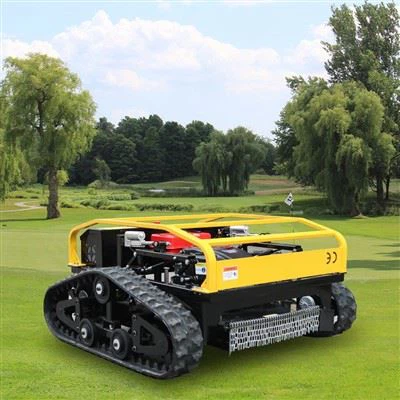
As a supplier of remote mowers, I understand the importance of proper winter storage for these valuable machines. Winter can be harsh on outdoor equipment, and a remote mower is no exception. In this blog post, I'll share some essential tips on how to store a remote mower during the winter to ensure it remains in top - notch condition and is ready for action when the lawn - mowing season rolls around again.
Clean the Remote Mower Thoroughly
Before storing your remote mower for the winter, a comprehensive cleaning is a must. Start by removing any grass clippings, dirt, and debris from the cutting deck, wheels, and undercarriage. You can use a stiff brush or a pressure washer on a low - setting to get rid of stubborn grime. Pay special attention to the areas around the blades, as grass and dirt buildup can cause corrosion over time.
For the electrical components, such as the remote control and any sensors on the mower, use a dry, clean cloth to wipe them down. Avoid using water directly on these parts to prevent short - circuits. Cleaning not only helps prevent rust and corrosion but also allows you to inspect the mower for any signs of damage or wear that may need to be addressed before the next season.
Sharpen and Protect the Blades
The blades of your remote mower are its most crucial cutting tools. Dull blades not only cut grass poorly but can also cause unnecessary stress on the mower's motor. Sharpen the blades before storing the mower. You can do this yourself with a file or take them to a professional for sharpening.
Once sharpened, apply a light coat of oil to the blades to prevent rusting during the winter months. You can use a spray lubricant or a cloth soaked in oil to evenly coat the blades. This simple step will help maintain the cutting edge and ensure that your mower cuts through grass smoothly when you start using it again.
Drain the Fuel System
If your remote mower runs on gasoline, it's essential to drain the fuel system before winter storage. Gasoline can break down over time, forming varnish and deposits that can clog the fuel lines, carburetor, and other components. You can either run the mower until the fuel tank is empty or siphon out the remaining fuel using a siphon pump.
For mowers with a fuel shut - off valve, turn it off and let the engine run until it stalls to use up the remaining fuel in the carburetor. If you prefer, you can also add a fuel stabilizer to the tank before draining. A fuel stabilizer helps prevent fuel oxidation and keeps the fuel fresh for a longer period. This can be useful if you plan to store the mower with a small amount of fuel in the tank.
Check and Charge the Battery
For electric remote mowers, the battery is the heart of the machine. Check the battery's charge level and fully charge it before storing. A fully charged battery is less likely to freeze or suffer from self - discharge during the winter.
Remove the battery from the mower if possible, as storing the battery separately can help prevent any electrical issues. Store the battery in a cool, dry place, away from direct sunlight and extreme temperatures. It's also a good idea to check the battery periodically during the winter to ensure it maintains its charge.
Store the Mower in a Dry and Secure Location
The storage location for your remote mower is crucial. Choose a dry place, such as a garage, shed, or storage building, to protect the mower from moisture and the elements. Moisture can lead to rust, corrosion, and electrical problems.
If you're storing the mower in a shed, make sure it's well - ventilated to prevent the buildup of fumes from any remaining fuel or chemicals. You can also use a mower cover to protect the mower from dust and debris. Secure the mower to prevent it from being accidentally knocked over or damaged.
Inspect and Lubricate Moving Parts
Before storing the mower, inspect all the moving parts, such as the wheels, axles, and drive belts. Look for any signs of wear, such as cracks, fraying, or loose connections. Tighten any loose bolts or nuts and replace any worn - out parts.
Lubricate the moving parts with a suitable lubricant. This helps reduce friction and wear during storage and makes it easier for the mower to start up smoothly in the spring. Use a lubricant recommended by the mower's manufacturer for best results.
Maintain the Remote Control
The remote control is an integral part of your remote mower. Clean the remote control with a dry cloth to remove any dirt or fingerprints. Replace the batteries if they are low or old.
Store the remote control in a safe place, preferably in a protective case to prevent damage. You can also test the remote control periodically during the winter to ensure it still functions correctly.
Perform a Final Inspection
Before you put the mower away for the winter, perform a final inspection. Check all the steps you've taken, such as blade sharpening, fuel draining, and battery charging. Make sure everything is in order and that the mower is ready for long - term storage.
If you notice any issues during the inspection, address them immediately. This could save you time and money in the long run by preventing more significant problems from developing.
Conclusion
Proper winter storage of your remote mower is essential for its longevity and performance. By following these steps, you can ensure that your mower remains in excellent condition during the winter months and is ready to tackle your lawn when the warm weather returns.


If you're in the market for a new remote mower, we offer a wide range of high - quality products, including the Self Propelled Garden Remote Control Lawn Mower, Remote Control Mower, and Robotic Lawn Mower. Our mowers are designed with the latest technology and built to last.
If you have any questions about our products or need advice on mower storage, don't hesitate to contact us. We're here to help you make the best choice for your lawn - mowing needs and ensure that your mower serves you well for years to come.
References
- Lawn Mower Maintenance Guide – General Tips for Long - Term Use. Manufacturer's Manuals.
- Best Practices for Winter Storage of Outdoor Power Equipment. Industry Publications.