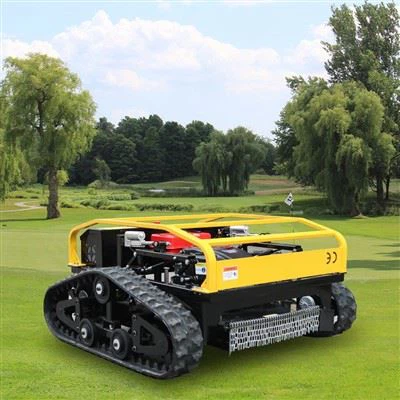
Testing the remote control of a remote mower is a crucial step to ensure that your mower operates smoothly and safely. As a remote mower supplier, I've encountered various issues related to remote controls, and I'm here to share some practical tips on how to test them effectively.
1. Pre - test Preparations
Before you start testing the remote control, there are a few things you need to do. First, make sure your remote mower is in a safe and open area. You don't want any obstacles or people around that could get in the way during the test. Also, check the power sources. For the remote control, ensure that the batteries are fresh and properly installed. A weak battery can cause all sorts of problems, like intermittent signals or no response at all.
For the mower itself, check its battery or fuel level, depending on the type of mower you have. A low - power mower might not respond well to the remote control commands, even if the remote is working fine.
2. Range Testing
One of the most important aspects of testing a remote control is checking its range. A good remote control should have a decent range so that you can operate the mower from a safe distance.
To test the range, start by standing right next to the mower. Turn on the mower and the remote control. Use the basic functions like starting, stopping, and moving the mower forward and backward. Make sure these functions work properly at close range.
Then, start walking away from the mower slowly while continuously using the remote control to operate the mower. Keep an eye on the mower's response. As you move further away, you might notice a slight delay in the mower's reaction to your commands. This is normal to some extent, but if the mower stops responding completely, you've reached the limit of the remote control's range.
Most Remote Control Mower should have a range of at least 30 - 50 meters, but this can vary depending on the model and the environment. If you find that the range is significantly less than what is advertised, there might be an issue with the remote control or the mower's receiver.
3. Function Testing
After testing the range, it's time to test all the functions of the remote control. Most remote controls for mowers come with a variety of functions, not just basic movement commands.
Movement Functions
Test the forward, backward, left, and right movement functions. Move the mower in different directions and patterns. For example, you can make the mower move in a square or a figure - eight pattern. This will help you ensure that the steering and movement controls are accurate.
Cutting Functions
If your mower has a cutting blade, test the functions related to the blade. You can start and stop the blade using the remote control. Check if the blade speed can be adjusted if the mower has such a feature. Make sure that the blade starts and stops smoothly without any jerks or delays.
Additional Functions
Some Remote Control Flail Mower come with additional functions like height adjustment of the cutting blade, lights, or even a self - parking feature. Test all these functions one by one to ensure they work as expected.
4. Signal Stability Testing
Signal stability is another important factor. A stable signal ensures that the mower responds accurately to your commands without any glitches.
To test the signal stability, you can use the mower in different environments. For example, try operating the mower in an open field, near some trees, and close to metal objects. Metal objects can sometimes interfere with the remote control signal.
While operating the mower in these different environments, pay attention to any sudden stops, erratic movements, or delays in the mower's response. If you notice any such issues, it could indicate a problem with the signal stability.
You can also try using the remote control while there are other electronic devices nearby. Some electronic devices can emit electromagnetic interference that might affect the remote control signal.
5. Response Time Testing
The response time of the remote control is how quickly the mower reacts to your commands. A fast response time is essential for safe and efficient operation.


To test the response time, you can use a stopwatch. Send a command to the mower, like starting the blade, and start the stopwatch at the same time. Stop the stopwatch as soon as the mower starts the blade. Do this several times and calculate the average response time.
Most modern Self Propelled Garden Remote Control Lawn Mower should have a response time of less than a second. If the response time is significantly longer, it could be due to a problem with the remote control, the mower's receiver, or the signal strength.
6. Troubleshooting
If you encounter any issues during the testing process, here are some common troubleshooting steps:
Check the Batteries
As mentioned earlier, weak or improperly installed batteries can cause problems. Replace the batteries in both the remote control and the mower if necessary.
Clean the Remote Control and Receiver
Dirt and debris can sometimes interfere with the signal. Use a soft cloth to clean the remote control and the mower's receiver.
Check for Obstructions
Make sure there are no physical obstructions between the remote control and the mower. This includes trees, walls, or other large objects.
Contact the Manufacturer
If you've tried all the above steps and still have issues, it's time to contact the manufacturer. They can provide more in - depth troubleshooting or arrange for a repair or replacement if needed.
Conclusion
Testing the remote control of a remote mower is an essential part of ensuring its proper operation. By following the steps outlined above, you can identify any potential issues early and take appropriate action.
As a remote mower supplier, we are committed to providing high - quality products and excellent customer service. If you have any questions about testing your remote control or if you're interested in purchasing a new remote mower, feel free to contact us for more information and to start a procurement negotiation. We'll be happy to assist you in finding the best mower for your needs.
References
- "Remote Mower User Manuals"
- Industry knowledge and experience from years of supplying remote mowers.