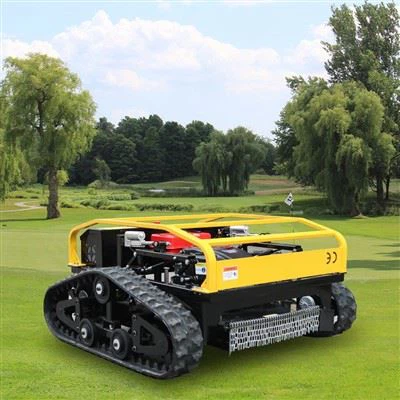
As a supplier of 4wd lawn mowers, I understand the importance of proper maintenance to ensure these machines operate at their best. A well - maintained 4wd lawn mower not only performs effectively but also has a longer lifespan, saving you both time and money in the long run. In this blog, I'll share the key maintenance requirements for a 4wd lawn mower.
1. Regular Cleaning
One of the most basic yet crucial maintenance tasks for a 4wd lawn mower is regular cleaning. After each use, grass clippings, dirt, and debris can accumulate on the mower's deck, wheels, and undercarriage. This build - up can impede the mower's performance and even cause corrosion over time.
To clean the mower, first, turn off the engine and let it cool down completely. Use a brush or a compressed air gun to remove loose debris from the deck and other parts. Then, wash the mower with a hose, paying special attention to the undercarriage where grass and dirt tend to collect. Avoid spraying water directly into the engine or electrical components to prevent damage.
For stubborn stains or caked - on grass, you can use a mild detergent. After washing, dry the mower thoroughly to prevent rust. Regular cleaning not only keeps the mower looking good but also helps in maintaining its mechanical and electrical systems.
2. Blade Maintenance
The blades of a 4wd lawn mower are its most important cutting components, and proper blade maintenance is essential for a clean and even cut. Over time, the blades can become dull, which not only affects the quality of the cut but also puts more strain on the engine.
Sharpen the blades regularly, at least once every few mowing sessions or as needed depending on the frequency of use. You can use a bench grinder or take the blades to a professional sharpening service. When sharpening, make sure to maintain the original angle of the blade for optimal performance.
Inspect the blades for any signs of damage, such as cracks or chips. If you notice any damage, replace the blades immediately. A damaged blade can cause uneven cuts and may even pose a safety hazard. Also, check the blade bolts regularly to ensure they are tightened properly. Loose blade bolts can cause the blades to wobble, leading to poor cutting performance and potential damage to the mower.
3. Engine Maintenance
The engine is the heart of the 4wd lawn mower, and keeping it in good condition is vital for the mower's overall performance. Here are some key engine maintenance tasks:
Oil Changes
Regular oil changes are necessary to keep the engine lubricated and running smoothly. Check the owner's manual for the recommended oil change interval, which usually ranges from every 25 - 50 hours of operation. Use the type of oil specified in the manual for the best results.
When changing the oil, make sure the engine is cool. Drain the old oil into a suitable container and replace the oil filter if required. Then, refill the engine with the appropriate amount of fresh oil.
Air Filter Maintenance
The air filter prevents dirt and debris from entering the engine. A dirty air filter can restrict airflow, reducing engine performance and fuel efficiency. Check the air filter regularly and clean or replace it as needed. If you mow in dusty conditions, you may need to check the air filter more frequently.
Spark Plug Inspection and Replacement
The spark plug ignites the fuel - air mixture in the engine. Over time, the spark plug can become fouled or worn out, leading to starting problems and poor engine performance. Inspect the spark plug regularly and replace it according to the manufacturer's recommendations.
4. Tire and Wheel Maintenance
The 4wd system of the lawn mower relies on the tires and wheels to provide traction and mobility. Proper tire and wheel maintenance is crucial for a smooth and efficient mowing experience.


Tire Pressure
Check the tire pressure regularly using a tire pressure gauge. Incorrect tire pressure can affect the mower's handling and cause uneven wear on the tires. Refer to the owner's manual for the recommended tire pressure and adjust the pressure as needed.
Tire Tread
Inspect the tire tread for wear. Worn - out tire tread can reduce traction, especially on wet or uneven terrain. If the tire tread is too low, replace the tires to ensure safe and effective operation.
Wheel Alignment
Proper wheel alignment is important for the mower to move straight and evenly. If you notice that the mower tends to pull to one side, it may be a sign of misaligned wheels. You can have the wheels aligned by a professional or refer to the owner's manual for instructions on how to adjust the wheel alignment yourself.
5. Electrical System Maintenance
Many modern 4wd lawn mowers have electrical components such as starters, batteries, and sensors. Here's how to maintain the electrical system:
Battery Care
If your mower has a battery, keep it charged and clean. Check the battery terminals for corrosion and clean them with a wire brush if necessary. You can also use a battery terminal protector to prevent future corrosion. If the battery is not holding a charge, it may need to be replaced.
Electrical Connections
Inspect all electrical connections for loose or corroded wires. Tighten any loose connections and clean the terminals to ensure a good electrical contact. A poor electrical connection can cause starting problems and other electrical issues.
6. Lubrication
Proper lubrication of moving parts is essential to reduce friction and wear. Refer to the owner's manual for the recommended lubrication points and the type of lubricant to use. Common lubrication points include the wheel bearings, pivot points, and the 4wd transfer case.
Apply the lubricant at the recommended intervals to keep the parts moving smoothly and prevent premature wear. Over - lubrication can also be a problem, so make sure to use the right amount of lubricant.
7. Storage
When the mowing season is over or you need to store the 4wd lawn mower for an extended period, proper storage is important to prevent damage.
Fuel Drainage
Empty the fuel tank or add a fuel stabilizer to prevent the fuel from deteriorating during storage. Stale fuel can cause starting problems and damage the engine.
Cleaning and Covering
Clean the mower thoroughly as described above and cover it with a waterproof cover to protect it from dust, moisture, and debris.
Storage Location
Store the mower in a dry, cool place, such as a garage or a shed. Avoid storing the mower outside where it can be exposed to the elements.
In conclusion, maintaining a 4wd lawn mower requires a combination of regular cleaning, blade maintenance, engine care, tire and wheel maintenance, electrical system maintenance, lubrication, and proper storage. By following these maintenance requirements, you can ensure that your 4wd lawn mower performs at its best and has a long service life.
If you're in the market for a high - quality 4wd Lawn Mower, we are here to help. Our 4wd lawn mowers are built with durability and performance in mind, and we can provide you with all the necessary information and support for maintenance. We also offer a range of Remote Lawn Mower options for those who prefer more advanced mowing solutions.
If you have any questions or are interested in purchasing a 4wd lawn mower, please don't hesitate to contact us for further discussion. We look forward to serving you and helping you find the perfect lawn mower for your needs.
References
- Lawn Mower Owner's Manuals
- Industry Standards for Lawn Mower Maintenance
- Professional Lawn Care Guides