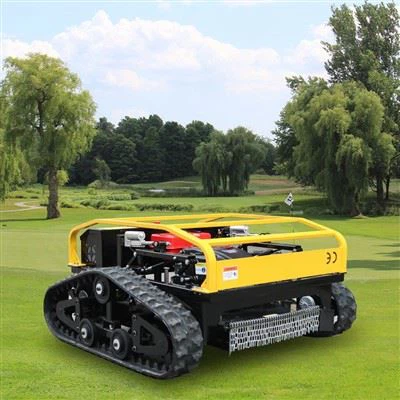
When it comes to maintaining a pristine lawn, a 4wd lawn mower can be a game - changer. As a supplier of high - quality 4wd Lawn Mower, I often get asked about the type of fuel these machines use. In this blog post, I'll delve into the various fuel options available for 4wd lawn mowers, their advantages and disadvantages, and what you should consider when choosing the right fuel for your mower.
Gasoline
Gasoline is by far the most common fuel used in 4wd lawn mowers. The majority of consumer - grade and professional - grade 4wd lawn mowers are designed to run on gasoline. There are several reasons for its popularity.
Firstly, gasoline is widely available. You can find it at almost every gas station, which makes refueling your lawn mower a convenient task. Whether you're mowing your own backyard or working on a large commercial property, you can easily top up the fuel tank without having to go out of your way.
Secondly, gasoline - powered engines are generally powerful. They can provide the necessary torque and speed to cut through thick grass and handle uneven terrain. This is especially important for 4wd lawn mowers, which are often used for more demanding mowing jobs.
However, there are also some drawbacks to using gasoline. One of the main concerns is environmental pollution. Gasoline engines emit harmful pollutants such as carbon monoxide, hydrocarbons, and nitrogen oxides. These pollutants contribute to air pollution and can have a negative impact on human health and the environment.
Another issue is the cost. Gasoline prices can be volatile, and over time, the cost of fueling a gasoline - powered lawn mower can add up. Additionally, gasoline engines require regular maintenance, including oil changes, spark plug replacements, and air filter cleanings.


Diesel
Diesel is another option for 4wd lawn mowers, although it is less common than gasoline. Diesel engines have several advantages.
Diesel fuel is more energy - dense than gasoline, which means that diesel engines can provide more power and torque for a given amount of fuel. This makes diesel - powered 4wd lawn mowers well - suited for heavy - duty mowing tasks, such as cutting large areas of thick grass or working on hilly terrain.
Diesel engines are also generally more fuel - efficient than gasoline engines. They can run for longer periods on a single tank of fuel, which can be a significant advantage for commercial users who need to mow large properties without frequent refueling stops.
In addition, diesel engines are known for their durability and reliability. They have fewer moving parts than gasoline engines, which means there are fewer components that can break down. This can result in lower maintenance costs over the life of the mower.
On the other hand, diesel has some disadvantages. Diesel fuel is not as widely available as gasoline, especially in rural areas. This can make refueling more difficult, especially if you're working in a remote location.
Diesel engines also tend to be more expensive to purchase than gasoline engines. The initial investment for a diesel - powered 4wd lawn mower can be higher, which may be a deterrent for some consumers.
Electric
Electric 4wd lawn mowers are becoming increasingly popular, thanks to advancements in battery technology. There are two main types of electric lawn mowers: corded and cordless.
Corded electric lawn mowers are powered by an electrical cord that is plugged into a standard household outlet. They are relatively inexpensive to purchase and operate, as electricity is generally cheaper than gasoline or diesel. Corded electric mowers also produce zero emissions at the point of use, which makes them a more environmentally friendly option.
However, the main limitation of corded electric lawn mowers is their range. The length of the cord restricts the area that you can mow, and you need to be careful not to run over the cord while mowing. This can make them less suitable for large properties or areas with obstacles.
Cordless electric lawn mowers, on the other hand, are powered by rechargeable batteries. They offer greater mobility and flexibility than corded electric mowers, as you can move freely around the lawn without being restricted by a cord.
Modern lithium - ion batteries have a high energy density and can provide enough power to run a 4wd lawn mower for a reasonable amount of time. Additionally, battery - powered mowers are generally quieter than gasoline or diesel engines, which can be an advantage if you're mowing in a residential area.
But the battery life can be a concern. Depending on the size of the battery and the power requirements of the mower, you may need to recharge the battery multiple times to mow a large area. And the cost of replacing a battery can be relatively high.
Propane
Propane, also known as liquefied petroleum gas (LPG), is another alternative fuel for 4wd lawn mowers. Propane - powered engines have some unique advantages.
Propane is a clean - burning fuel, which means it produces fewer emissions than gasoline or diesel. It emits lower levels of carbon monoxide, hydrocarbons, and particulate matter, making it a more environmentally friendly option.
Propane is also relatively inexpensive compared to gasoline. It can be stored in portable tanks, which makes refueling easy. You can simply swap out an empty tank for a full one when the fuel runs low.
However, propane - powered lawn mowers are not as common as gasoline or electric models. There may be a limited selection of propane - powered 4wd lawn mowers on the market, and finding a qualified technician to service a propane engine can be more difficult.
Choosing the Right Fuel
When choosing the right fuel for your 4wd lawn mower, there are several factors to consider.
Usage: If you have a small residential lawn, an electric or propane - powered mower may be sufficient. These options are more environmentally friendly and cost - effective for light - duty mowing. However, if you have a large commercial property or need to perform heavy - duty mowing tasks, a gasoline or diesel - powered mower may be a better choice.
Environmental Impact: If you're concerned about the environment, electric or propane - powered mowers are the way to go. They produce fewer emissions and have a lower carbon footprint compared to gasoline or diesel engines.
Cost: Consider the initial cost of the mower, as well as the long - term cost of fuel and maintenance. Electric mowers may have a lower upfront cost and lower fuel costs, but the cost of battery replacement should be factored in. Gasoline and diesel mowers may require more maintenance, but they are generally more powerful and better suited for heavy - duty use.
Availability: Make sure the fuel you choose is readily available in your area. If you live in a rural area, gasoline may be the most practical option, as diesel and propane may be harder to find.
As a supplier of 4wd Lawn Mower, I understand the importance of choosing the right fuel for your mower. We offer a wide range of 4wd lawn mowers that run on different types of fuel, so you can find the perfect mower to meet your needs.
If you're in the market for a 4wd lawn mower or have any questions about fuel options, I encourage you to contact us for a detailed discussion. Our team of experts can provide you with all the information you need to make an informed decision. We're committed to helping you find the best mower for your lawn and ensuring that you get the most out of your investment.
Conclusion
In conclusion, there are several fuel options available for 4wd lawn mowers, each with its own advantages and disadvantages. Gasoline is the most common fuel, offering convenience and power but with environmental and cost concerns. Diesel is more fuel - efficient and durable but less widely available. Electric mowers are environmentally friendly and cost - effective but may have limitations in terms of range and battery life. Propane is a clean - burning alternative but has limited market availability.
When choosing a fuel for your 4wd lawn mower, it's important to consider your specific needs, usage requirements, environmental concerns, and budget. By making an informed decision, you can ensure that your lawn mower performs optimally and meets your expectations.
If you're interested in exploring our range of 4wd Lawn Mower or Remote Lawn Mower options, don't hesitate to reach out to us. We're here to assist you in finding the perfect mower for your lawn care needs.
References
- "Small Engine Technology" by Tom Benson
- "Lawn Mower Maintenance and Repair Guide" by DIY Publications
- Industry reports on lawn mower fuel trends