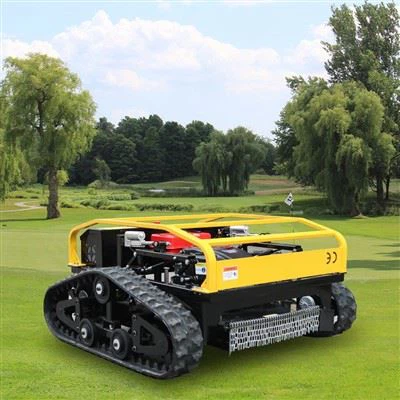
As a supplier of 4wd Lawn Mower, I often get asked about the differences between 4WD diesel mowers and 4WD gas mowers. In this blog post, I'll break down the key distinctions to help you make an informed decision when choosing the right mower for your needs.
Power and Performance
One of the most significant differences between 4WD diesel mowers and 4WD gas mowers lies in their power sources and the resulting performance characteristics.
Diesel Mowers
Diesel engines are known for their high torque output. Torque is the rotational force that allows the mower to cut through thick, tough grass and handle challenging terrain with ease. This makes diesel mowers an excellent choice for large, commercial properties or areas with dense vegetation. They can maintain a consistent cutting speed even under heavy loads, reducing the risk of bogging down.
For example, a 4WD diesel mower can effortlessly tackle overgrown fields or areas with thick weeds, where a gas mower might struggle. The high torque also enables diesel mowers to pull heavy attachments, such as aerators or seed spreaders, making them more versatile for various lawn care tasks.
Another advantage of diesel engines is their fuel efficiency. Diesel fuel contains more energy per gallon than gasoline, which means diesel mowers can run for longer periods on a single tank. This is particularly beneficial for large-scale mowing operations, as it reduces the need for frequent refueling stops and saves time and money in the long run.
Gas Mowers
Gasoline engines, on the other hand, are typically lighter and more compact than diesel engines. This makes 4WD gas mowers more maneuverable, especially in tight spaces or areas with obstacles. They are also generally quieter than diesel mowers, which can be an important consideration if you're mowing in residential areas or noise-sensitive environments.
Gas mowers are known for their quick acceleration and high RPM (revolutions per minute) capabilities. This allows them to provide a clean, precise cut, especially on well-maintained lawns. They are also more responsive to throttle changes, making it easier to adjust the cutting speed according to the grass conditions.
However, gas mowers tend to have lower torque compared to diesel mowers. This means they may struggle when cutting through thick or wet grass, and they may not be as suitable for heavy-duty applications. Additionally, gasoline is generally more expensive than diesel fuel, and gas mowers tend to consume more fuel per hour of operation.
Maintenance and Durability
The maintenance requirements and durability of 4WD diesel mowers and 4WD gas mowers also differ significantly.
Diesel Mowers
Diesel engines are built to be more robust and durable than gasoline engines. They have fewer moving parts, which reduces the risk of mechanical failures and extends the engine's lifespan. Diesel engines also operate at lower RPMs, which puts less stress on the components and further contributes to their longevity.
However, diesel engines require more specialized maintenance. They need regular oil changes, fuel filter replacements, and injector cleanings to ensure optimal performance. Diesel fuel can also be prone to contamination, so it's important to use high-quality fuel and keep the fuel tank clean. Additionally, diesel engines may require more frequent tune-ups and inspections to maintain their efficiency.
Gas Mowers
Gasoline engines are generally easier to maintain than diesel engines. They have a simpler design and require less specialized knowledge and tools for maintenance. Gas mowers typically need regular oil changes, spark plug replacements, and air filter cleanings, which are relatively straightforward tasks that can be done by most homeowners.
However, gasoline engines are more prone to carbon buildup and other issues if not properly maintained. They also have a shorter lifespan compared to diesel engines, especially if they are used for heavy-duty applications. Gas mowers may require more frequent repairs and replacements of components such as carburetors and ignition systems.
Cost
The initial cost and long-term operating costs of 4WD diesel mowers and 4WD gas mowers are important factors to consider when making a purchasing decision.
Diesel Mowers
4WD diesel mowers are generally more expensive to purchase than 4WD gas mowers. This is due to the higher cost of diesel engines and the more robust construction of diesel mowers. However, the long-term operating costs of diesel mowers can be lower, especially for large-scale mowing operations. As mentioned earlier, diesel engines are more fuel-efficient, which can result in significant savings on fuel costs over time. Additionally, the durability of diesel engines means that they may require fewer repairs and replacements, further reducing the overall cost of ownership.
Gas Mowers
4WD gas mowers are typically more affordable to purchase than 4WD diesel mowers. They are a popular choice for homeowners and small-scale lawn care businesses due to their lower upfront cost. However, the higher fuel consumption of gas mowers can result in higher operating costs over time. Additionally, the shorter lifespan of gasoline engines may require more frequent replacements, which can add to the overall cost of ownership.
Environmental Impact
The environmental impact of 4WD diesel mowers and 4WD gas mowers is another important consideration, especially in today's environmentally conscious world.
Diesel Mowers
Diesel engines produce more emissions than gasoline engines, including particulate matter, nitrogen oxides, and carbon monoxide. These emissions can contribute to air pollution and have a negative impact on human health and the environment. However, modern diesel engines are equipped with advanced emission control technologies, such as diesel particulate filters and selective catalytic reduction systems, which can significantly reduce the emissions of diesel mowers.
Gas Mowers
Gasoline engines also produce emissions, including carbon monoxide, hydrocarbons, and nitrogen oxides. However, they generally produce fewer emissions than diesel engines, especially when equipped with modern emission control technologies. Gas mowers are also more likely to be used in residential areas, where the impact of emissions on air quality is typically lower compared to commercial or industrial areas.
Conclusion
In conclusion, the choice between a 4WD diesel mower and a 4WD gas mower depends on several factors, including your specific needs, budget, and environmental concerns. Diesel mowers are a great choice for large, commercial properties or areas with thick, tough grass, thanks to their high torque, fuel efficiency, and durability. Gas mowers, on the other hand, are more suitable for small to medium-sized lawns, tight spaces, and noise-sensitive environments, due to their maneuverability, quick acceleration, and lower upfront cost.


As a supplier of 4wd Lawn Mower, I can help you choose the right mower for your needs. Whether you're a homeowner looking for a reliable mower for your backyard or a professional landscaper in need of a heavy-duty machine for commercial use, I have a wide range of 4WD diesel and gas mowers to choose from. If you're also interested in more advanced options, we also offer Remote Lawn Mower that can provide greater convenience and flexibility.
If you have any questions or would like to discuss your specific requirements, please feel free to contact me. I'm here to assist you in making the best decision for your lawn care needs and look forward to the opportunity to work with you on your next purchase.
References
- "Diesel vs. Gasoline Engines: Which is Right for You?" by The Balance Auto
- "Lawn Mower Buying Guide" by Consumer Reports
- "Environmental Impact of Lawn Mowers" by the Environmental Protection Agency