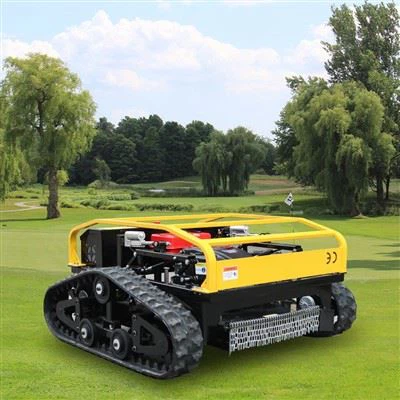
When it comes to electric 4wd lawn mowers, one of the most critical decisions is choosing between a brushless and a brushed motor. As a supplier of 4wd Lawn Mower, I've witnessed firsthand the impact of this choice on the performance, efficiency, and longevity of these machines. In this blog, I'll delve into the key differences between brushless and brushed motors, helping you make an informed decision for your lawn mowing needs.
How Brushed Motors Work
Brushed motors are the traditional choice for many electric devices, including lawn mowers. They operate on a relatively simple principle. Inside a brushed motor, there are two main components: the stator and the rotor. The stator is the stationary part of the motor, which contains the permanent magnets. The rotor, on the other hand, is the rotating part and has coils of wire.
The brushes, typically made of carbon, are in contact with the commutator on the rotor. When an electric current is applied, the brushes transfer the current to the coils on the rotor. This creates a magnetic field in the rotor, which interacts with the magnetic field of the stator. The interaction between these two magnetic fields causes the rotor to rotate, thus powering the lawn mower.
Advantages of Brushed Motors
One of the primary advantages of brushed motors is their simplicity. Their design is straightforward, which makes them relatively inexpensive to manufacture. This cost - effectiveness often translates into a lower price for the end - user. If you're on a tight budget, a lawn mower with a brushed motor might be the more affordable option.
Brushed motors also have a long history of use, and their technology is well - understood. This means that maintenance and repairs are generally easier and more accessible. There are many technicians who are familiar with the inner workings of brushed motors, and replacement parts are widely available.
Disadvantages of Brushed Motors
However, brushed motors do have some significant drawbacks. The brushes in these motors wear out over time. As the brushes rub against the commutator, they gradually erode, which can lead to a decrease in performance. Eventually, the brushes will need to be replaced, adding to the long - term cost of ownership.
Another issue is the generation of electrical noise. The arcing that occurs between the brushes and the commutator can produce electromagnetic interference (EMI). This can potentially disrupt other electronic devices in the vicinity of the lawn mower.
Brushed motors are also less efficient compared to brushless motors. A significant amount of energy is lost as heat due to the friction between the brushes and the commutator. This not only reduces the overall efficiency of the lawn mower but also means that the battery life of an electric lawn mower with a brushed motor may be shorter.
How Brushless Motors Work
Brushless motors, as the name suggests, do not have brushes. Instead, they use an electronic controller to switch the current in the stator coils. The stator in a brushless motor contains the coils, while the rotor has permanent magnets.
The electronic controller senses the position of the rotor using sensors, such as Hall effect sensors. Based on the position of the rotor, the controller precisely switches the current in the stator coils. This creates a rotating magnetic field in the stator, which interacts with the magnetic field of the rotor, causing the rotor to rotate.
Advantages of Brushless Motors
One of the most significant advantages of brushless motors is their efficiency. Since there are no brushes to create friction, less energy is lost as heat. This means that a lawn mower with a brushless motor can run for longer on a single charge, making it ideal for larger lawns.
Brushless motors also have a longer lifespan. Without the wear and tear of brushes, there are fewer components that need to be replaced over time. This reduces the long - term maintenance costs of the lawn mower.
In terms of performance, brushless motors offer smoother and more precise control. The electronic controller can adjust the speed and torque of the motor more accurately, allowing for better performance in different mowing conditions. For example, it can increase the torque when the mower encounters thick grass.
Disadvantages of Brushless Motors
The main disadvantage of brushless motors is their higher cost. The electronic controller and the more complex design make them more expensive to manufacture. As a result, lawn mowers with brushless motors typically have a higher upfront price.
Another potential drawback is the complexity of repairs. If the electronic controller fails, it can be more difficult and expensive to repair compared to a simple brushed motor. Additionally, not all technicians may be familiar with the intricacies of brushless motor technology.


Impact on Lawn Mower Performance
The choice between a brushless and a brushed motor can have a significant impact on the performance of an electric 4wd lawn mower. A brushless motor provides better power delivery, which means the mower can handle thick and tough grass more effectively. The precise control of the brushless motor also allows for better maneuverability, especially in tight spaces.
On the other hand, a brushed motor may struggle with thick grass, and its performance may degrade over time as the brushes wear out. However, for smaller lawns with relatively thin grass, a brushed motor may still provide adequate performance at a lower cost.
Impact on Battery Life
Battery life is a crucial factor for electric lawn mowers. As mentioned earlier, brushless motors are more energy - efficient. This means that they can make the most of the battery's charge, allowing the lawn mower to run for a longer period. In contrast, a brushed motor consumes more energy due to its lower efficiency, which can result in a shorter battery life. If you have a large lawn that requires extended mowing sessions, a brushless motor is likely the better choice.
Impact on Maintenance
Maintenance is another area where the two types of motors differ significantly. Brushed motors require regular inspection and replacement of the brushes. This is a relatively simple task but does add to the maintenance schedule. Brushless motors, on the other hand, have fewer moving parts that wear out, so they generally require less maintenance. However, as mentioned, if there is a problem with the electronic controller, it can be more challenging to diagnose and fix.
Which Motor is Right for You?
If you have a small to medium - sized lawn, and you're on a budget, a lawn mower with a brushed motor may be sufficient. It will get the job done at a lower upfront cost, and the maintenance requirements are relatively straightforward.
However, if you have a large lawn, or if you want a lawn mower that offers better performance, longer battery life, and lower long - term maintenance costs, a brushless motor is the way to go. Despite the higher initial investment, the benefits of a brushless motor can make it a more cost - effective choice in the long run.
We also offer Remote Lawn Mower options with both brushed and brushless motors. These remote - controlled mowers provide added convenience and safety, especially for hard - to - reach areas.
If you're interested in learning more about our electric 4wd lawn mowers or have any questions about the difference between brushless and brushed motors, we'd love to hear from you. Whether you're a homeowner looking for a reliable lawn mower or a professional landscaper in need of high - performance equipment, we can help you find the right solution. Contact us today to start a procurement discussion and find the perfect lawn mower for your needs.
References
- "Electric Motor Handbook" by Arnold Tustin
- "Motor Technology and Applications" by Paul C. Sen