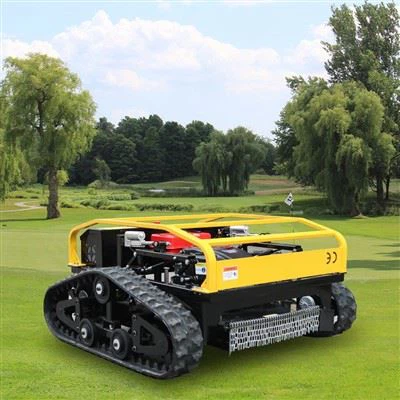
In the world of lawn maintenance, the choice between a remote mower and a traditional mower can significantly impact the efficiency, safety, and overall experience of lawn care. As a supplier of remote mowers, I have witnessed firsthand the transformative power of this technology. In this blog post, I will delve into the differences between remote mowers and traditional mowers, highlighting the unique advantages that remote mowers offer.
Operation and Control
One of the most significant differences between remote mowers and traditional mowers lies in their operation and control. Traditional mowers require the operator to be physically present and actively engaged in the mowing process. This means pushing, pulling, or riding the mower while guiding it across the lawn. While this hands - on approach has been the norm for many years, it has its limitations.


On the other hand, remote mowers offer a level of convenience and flexibility that traditional mowers cannot match. With a remote mower, the operator can control the machine from a distance using a remote control. This allows for precise maneuverability, even in hard - to - reach areas such as steep slopes, around obstacles, or near water bodies. For instance, a Remote Control Mower, like the ones available at Remote Control Mower, can be easily navigated through complex landscapes without the need for the operator to be in close proximity to the mower.
Safety Considerations
Safety is a crucial aspect of any lawn care operation. Traditional mowers can pose various risks to the operator. For example, when mowing on uneven terrain or slopes, there is a risk of the mower tipping over and causing injury to the operator. Additionally, the rotating blades of the mower can throw debris, such as stones or sticks, at high speeds, which can cause serious eye or body injuries.
Remote mowers mitigate many of these safety risks. Since the operator controls the mower from a distance, they are not directly in harm's way. This is especially beneficial when mowing in hazardous areas, such as areas with tall grass that may hide rocks or other objects, or slopes with a high risk of slipping. A Self Propelled Garden Remote Control Lawn Mower, like the options found at Self Propelled Garden Remote Control Lawn Mower, can be used to safely mow areas that would be too dangerous for traditional mower operation.
Efficiency and Performance
Efficiency is another key factor when comparing remote mowers and traditional mowers. Traditional mowers are typically limited in their speed and maneuverability. They may require multiple passes to cover a large area, especially if the terrain is not flat or if there are many obstacles. This can result in longer mowing times and increased physical exertion for the operator.
Remote mowers, however, can be more efficient in terms of time and performance. They can quickly and accurately navigate around obstacles, reducing the need for multiple passes. The remote - control feature allows the operator to make quick adjustments to the mower's speed and direction, optimizing the mowing process. Moreover, some remote mowers are equipped with advanced features such as adjustable cutting heights and mulching capabilities, which further enhance their performance. The Remote Control Mower offers a range of features that can improve the efficiency of lawn mowing operations.
Maintenance and Durability
Maintenance is an important consideration for any piece of equipment. Traditional mowers often require regular maintenance tasks such as oil changes, blade sharpening, and air filter replacements. These tasks can be time - consuming and may require some technical knowledge.
Remote mowers, in general, have a more straightforward maintenance process. Since they are often designed with fewer moving parts and advanced technology, they may require less frequent maintenance. Additionally, the remote - control system is usually well - protected and durable, reducing the risk of damage. However, it is still important to follow the manufacturer's maintenance guidelines to ensure the long - term performance of the remote mower.
Cost
Cost is a significant factor for many consumers when choosing between a remote mower and a traditional mower. Traditional mowers are available in a wide range of prices, from inexpensive push mowers to more expensive riding mowers. The initial cost of a traditional mower may be lower, especially for basic models.
Remote mowers, on the other hand, tend to have a higher upfront cost due to the advanced technology and features they offer. However, when considering the long - term benefits such as increased efficiency, improved safety, and reduced maintenance, the overall cost - effectiveness of a remote mower may be comparable or even better than that of a traditional mower. It is important to evaluate your specific needs and budget when making a decision.
Environmental Impact
In today's environmentally conscious world, the environmental impact of lawn mowers is an important consideration. Traditional mowers, especially gasoline - powered ones, emit pollutants such as carbon monoxide, hydrocarbons, and particulate matter. These emissions contribute to air pollution and have a negative impact on the environment.
Some remote mowers are electric - powered, which significantly reduces their environmental impact. Electric remote mowers produce zero emissions during operation, making them a more eco - friendly option. They also tend to be quieter than gasoline - powered mowers, reducing noise pollution in the surrounding area.
Applications
The applications of remote mowers and traditional mowers also differ. Traditional mowers are well - suited for small to medium - sized lawns with relatively flat terrain. They are a popular choice for residential lawn care due to their affordability and simplicity.
Remote mowers, however, have a wider range of applications. They are ideal for large - scale commercial lawns, parks, golf courses, and industrial sites. Their ability to handle difficult terrains and mow in hazardous areas makes them a valuable tool for professional landscapers and groundskeepers.
In conclusion, the differences between remote mowers and traditional mowers are significant. Remote mowers offer a range of advantages in terms of operation, safety, efficiency, maintenance, and environmental impact. As a supplier of remote mowers, I believe that our products can revolutionize the way you approach lawn maintenance.
If you are interested in learning more about our remote mowers or are considering purchasing one for your lawn care needs, I encourage you to reach out to us for a detailed discussion. We can help you determine the best model for your specific requirements and provide you with all the information you need to make an informed decision.
References
- Lawn Care Handbook: A Comprehensive Guide to Mower Technology
- Journal of Environmental Science and Technology in Lawn Equipment
- Industry Reports on the Future of Lawn Maintenance Equipment