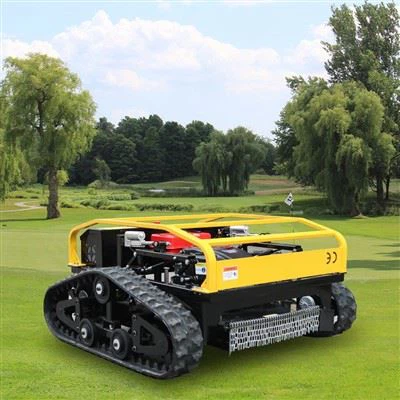
Hey there, fellow lawn enthusiasts! As a supplier of Wheel Lawn Mowers, I often get asked about the fuel consumption of gas - powered wheel lawn mowers. It's a crucial question, especially for those looking to keep their lawns in top - notch condition without breaking the bank on fuel costs.
Let's start by understanding what factors influence the fuel consumption of these machines. First off, the engine size plays a huge role. Generally, larger engines consume more fuel. A small - sized gas - powered wheel lawn mower with an engine displacement of around 125cc to 140cc will use less fuel compared to a heavy - duty model with an engine displacement of 190cc or more. The bigger engine has more power to handle larger lawns and tougher grass, but that extra power comes at a cost in terms of fuel.
The type of grass you're mowing also matters. If you're dealing with thick, overgrown grass, the mower has to work harder. It's like trying to drive a car through mud; the engine has to exert more effort, and thus, it burns more fuel. On the other hand, regularly maintained, short grass is a breeze for the mower, and it'll use less fuel in the process.
Another factor is the mowing speed. If you're in a hurry and set the mower to its maximum speed, it'll guzzle more fuel. A slower, more consistent speed is often more fuel - efficient. It allows the engine to work steadily without having to make sudden power surges.
Now, let's talk about some real - world numbers. On average, a small gas - powered wheel lawn mower can consume around 0.1 to 0.2 gallons of gasoline per hour of continuous use. This is when mowing normal, well - maintained grass at a moderate speed. For larger, more powerful models, the fuel consumption can jump up to 0.3 to 0.5 gallons per hour. But these are just ballpark figures, and the actual consumption can vary based on the factors we just discussed.
One way to get a better idea of your mower's fuel consumption is to keep a log. Fill up the gas tank completely, note down the amount of fuel you added, and then start mowing. Once you're done, fill up the tank again and measure how much fuel you needed to top it off. Divide the amount of fuel used by the number of hours you mowed, and you'll have a pretty accurate estimate of your mower's fuel consumption rate.
If you're worried about high fuel costs, there are a few things you can do to improve fuel efficiency. First, make sure the air filter is clean. A clogged air filter restricts the airflow to the engine, which can cause it to burn more fuel. You can usually clean the air filter with compressed air or replace it if it's too dirty.
Proper maintenance of the spark plug is also important. A worn - out spark plug can lead to incomplete combustion, which means the engine isn't using the fuel as efficiently as it should. Check the spark plug regularly and replace it according to the manufacturer's recommendations.
As a supplier, I also want to mention some of our other great products. We have some amazing Remote Control Mower options. These are perfect for those who want to mow their lawns without having to push the mower around manually. They're very convenient, especially for larger lawns or if you have physical limitations.


Our Remote Control Lithium Battery Lawn Mower is another great choice. It's environmentally friendly and doesn't require gasoline, so you don't have to worry about fuel consumption at all. And if you're looking for something more specialized for grass cutting, our Remote Grass Mower is a top - notch option.
When it comes to choosing the right mower for your needs, fuel consumption is just one aspect. You also need to consider the size of your lawn, the type of grass, and your personal preferences. If you have a small lawn, a smaller, more fuel - efficient mower might be the best choice. But if you have a large, uneven lawn, a more powerful mower might be necessary, even if it consumes more fuel.
In conclusion, the fuel consumption of a gas - powered wheel lawn mower depends on several factors, including engine size, grass type, mowing speed, and maintenance. By understanding these factors and taking steps to improve fuel efficiency, you can keep your fuel costs down. And if you're in the market for a new mower, we have a wide range of options to suit your needs. Whether you're interested in a traditional gas - powered mower or one of our high - tech remote - controlled models, we've got you covered.
If you're interested in purchasing a lawn mower or have any questions about our products, feel free to reach out. We're always happy to help you find the perfect mower for your lawn. Let's get your lawn looking its best!
References:
- Lawn Mower Maintenance Guides from various manufacturers
- Personal experience and knowledge as a Wheel Lawn Mower supplier