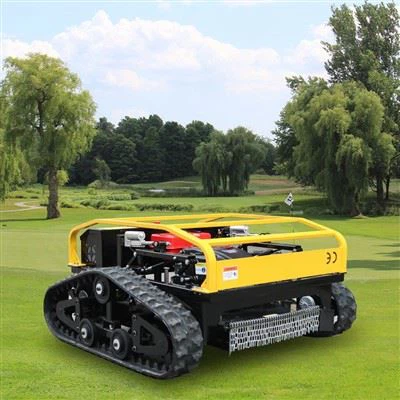
The lifespan of wheels on a wheel mower is a crucial factor that both consumers and suppliers like myself need to understand. As a wheel mower supplier, I've encountered numerous inquiries regarding this topic. In this blog, I'll delve into the factors that influence the wheel lifespan, provide some estimates, and offer tips on how to extend it.
Factors Affecting the Lifespan of Wheel Mower Wheels
1. Quality of Materials
The materials used in manufacturing the wheels play a significant role in determining their lifespan. High - quality rubber or plastic compounds are more durable and resistant to wear and tear. For instance, wheels made from industrial - grade rubber can withstand more friction and pressure compared to those made from lower - quality materials. These high - grade materials are less likely to crack, split, or deform under normal operating conditions.


2. Type of Terrain
The terrain on which the wheel mower operates has a direct impact on the wheel lifespan. If the mower is used on rough, rocky, or uneven ground, the wheels will experience more stress and abrasion. Sharp rocks can cut into the rubber, while uneven surfaces can cause the wheels to bear uneven loads, leading to premature wear. On the other hand, using the mower on smooth, well - maintained lawns puts less strain on the wheels, allowing them to last longer.
3. Frequency of Use
How often the wheel mower is used is another important factor. A mower that is used daily for commercial purposes will naturally experience more wear on its wheels compared to one that is used only occasionally for residential lawn care. The more the wheels are in contact with the ground and subjected to movement, the faster they will wear out.
4. Maintenance
Proper maintenance can significantly extend the lifespan of the wheels. Regularly checking the tire pressure (if applicable), cleaning the wheels to remove dirt and debris, and lubricating the wheel axles can all contribute to longer - lasting wheels. Neglecting maintenance can lead to issues such as uneven wear, corrosion of the wheel components, and reduced performance.
Estimated Lifespan of Wheel Mower Wheels
It's difficult to provide an exact lifespan for wheel mower wheels as it varies so much depending on the factors mentioned above. However, as a general guideline, for a residential wheel mower that is used occasionally on a well - maintained lawn, the wheels can last anywhere from 3 to 5 years. If the mower is used more frequently or on tougher terrains, the lifespan may be reduced to 1 to 3 years.
Commercial wheel mowers, which are typically used more intensively, may need their wheels replaced every 6 months to 2 years. These mowers are often used for large - scale lawn care operations, where the wheels are constantly under stress.
Tips to Extend the Lifespan of Wheel Mower Wheels
1. Choose the Right Mower for the Terrain
Before purchasing a wheel mower, consider the type of terrain you'll be using it on. If you have a rough or uneven lawn, look for a mower with heavy - duty wheels designed to handle such conditions. For smooth lawns, a standard wheel mower may suffice. Our company offers a range of wheel mowers suitable for different terrains, including the Remote Control Grass Cutter, which is highly versatile and can adapt to various ground conditions.
2. Maintain Proper Tire Pressure
If your wheel mower has pneumatic tires, maintaining the correct tire pressure is essential. Under - inflated tires can cause the wheels to wear unevenly and increase the risk of damage. Over - inflated tires, on the other hand, can make the ride bumpy and also lead to premature wear. Refer to the mower's manual for the recommended tire pressure and check it regularly.
3. Clean the Wheels Regularly
Dirt, grass clippings, and other debris can accumulate on the wheels over time. This can not only make the wheels look dirty but also cause abrasion and corrosion. Use a hose or a pressure washer to clean the wheels after each use. Make sure to remove any stuck - on debris, especially in the treads of the tires.
4. Store the Mower Properly
When the mower is not in use, store it in a dry, protected area. Exposure to extreme temperatures, moisture, and sunlight can all damage the wheels. If possible, elevate the mower slightly off the ground to relieve the pressure on the wheels.
The Importance of Wheel Lifespan for Consumers and Suppliers
For consumers, understanding the lifespan of the wheels on a wheel mower is important for budgeting and planning. Knowing when to expect wheel replacement can help them avoid unexpected costs and ensure that their mower is always in good working condition.
As a supplier, we take the wheel lifespan seriously. We strive to provide high - quality wheel mowers with durable wheels. Our commitment to quality is evident in products like the Remote Grass Mower and the Self Propelled Garden Remote Control Lawn Mower, which are designed to offer long - lasting performance.
Contact for Purchase and Consultation
If you're in the market for a new wheel mower or have any questions about wheel lifespan, maintenance, or our product range, we'd love to hear from you. Our team of experts is ready to assist you in making the right choice for your lawn care needs. Whether you're a residential customer looking for a reliable mower for your backyard or a commercial landscaper in need of heavy - duty equipment, we have the solutions for you. Don't hesitate to reach out to us for more information and to start the procurement process.
References
- Lawn Mower Maintenance Guide, Various Publications
- Studies on Wheel Durability in Outdoor Equipment, Industry Research Reports