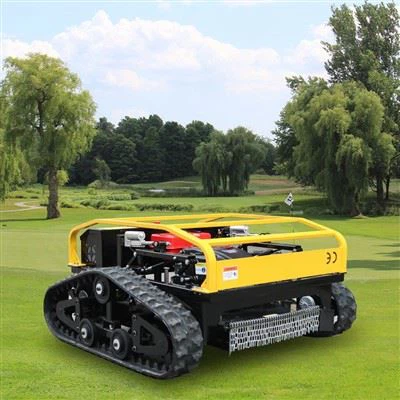
As a supplier of 4wd Lawn Mowers, I often get asked about the noise level of these powerful machines. Understanding the noise level of a 4wd lawn mower is crucial for both the operator and the surrounding environment. In this blog post, I will delve into the factors that influence the noise level of a 4wd lawn mower, typical noise levels, and how to manage noise when using these mowers.
Factors Influencing the Noise Level of a 4wd Lawn Mower
Engine Type and Size
The engine is one of the primary sources of noise in a 4wd lawn mower. Gasoline engines tend to be louder than electric engines. This is because the combustion process in gasoline engines involves rapid explosions within the cylinders, which generate significant noise. The size of the engine also plays a role. Larger engines typically produce more power but also generate more noise. For example, a 4wd lawn mower with a large - displacement gasoline engine may have a higher noise output compared to one with a smaller engine.
Cutting Mechanism
The cutting mechanism of a 4wd lawn mower can also contribute to the overall noise level. Rotary mowers, which are the most common type, use a spinning blade to cut the grass. The high - speed rotation of the blade creates air turbulence and impacts with the grass, resulting in noise. Reel mowers, on the other hand, use a series of blades that rotate around a central axis and cut the grass like a pair of scissors. Reel mowers generally produce less noise than rotary mowers, but they are less common in 4wd lawn mowers due to their lower cutting efficiency for larger areas.
Transmission and Drive System
The 4wd (four - wheel drive) system in these lawn mowers adds complexity to the drive train. The gears, axles, and differentials in the 4wd system can generate noise as they transfer power from the engine to the wheels. The quality of the components and the design of the transmission can affect the noise level. Well - designed and high - quality 4wd systems are often quieter because they have better - fitting gears and less vibration.
Mower Design and Construction
The overall design and construction of the 4wd lawn mower can impact noise. Mowers with a solid and well - insulated frame can help reduce the transmission of noise from the engine and other components to the outside. Additionally, the placement of the engine and other noisy parts within the mower can affect how the noise is emitted. For example, if the engine is placed closer to the operator, the operator will experience a higher noise level.
Typical Noise Levels of 4wd Lawn Mowers
The noise level of a 4wd lawn mower is typically measured in decibels (dB). On average, a gasoline - powered 4wd lawn mower can produce noise levels ranging from 80 dB to 100 dB. At 80 dB, the noise is comparable to the noise level of a busy city street. As the noise level approaches 100 dB, it becomes as loud as a jackhammer at a distance of about 10 feet.
Electric 4wd lawn mowers are generally quieter, with noise levels ranging from 60 dB to 80 dB. A noise level of 60 dB is similar to normal conversation, making electric 4wd lawn mowers a more suitable option for areas where noise restrictions are in place or for early - morning or late - evening mowing.
It's important to note that these are general ranges, and the actual noise level of a specific 4wd lawn mower can vary depending on the factors mentioned above.
Managing Noise When Using a 4wd Lawn Mower
Operator Protection
Operators of 4wd lawn mowers should always wear appropriate hearing protection. Earplugs or earmuffs can significantly reduce the amount of noise reaching the ears. Even if the mower has a relatively low noise level, long - term exposure to any loud noise can cause hearing damage.
Mower Maintenance
Regular maintenance of the 4wd lawn mower can help keep the noise level in check. This includes changing the engine oil, air filter, and spark plugs at the recommended intervals. A well - maintained engine runs more smoothly and quietly. Additionally, checking and tightening loose bolts and nuts on the mower can prevent vibrations that can increase noise.
Choosing the Right Time to Mow
Be mindful of the time of day when using a 4wd lawn mower. Avoid mowing early in the morning or late at night when noise can be a nuisance to neighbors. Many local municipalities have noise ordinances that restrict the use of loud equipment during certain hours.
Using Noise - Reducing Features
Some 4wd lawn mowers come with noise - reducing features. These can include insulated engine covers, mufflers designed to reduce noise, and vibration - dampening materials. When purchasing a 4wd lawn mower, look for models that have these features to minimize the noise level.


Our 4wd Lawn Mowers and Noise Considerations
At our company, we understand the importance of noise reduction in lawn mowers. Our 4wd Lawn Mower models are designed with noise in mind. We use high - quality engines that are engineered for quiet operation. Our mowers also feature advanced muffler systems that effectively reduce the noise generated by the engine.
In addition, we offer Remote Lawn Mower options. Remote - controlled lawn mowers allow the operator to stay at a distance from the mower, reducing the direct exposure to noise. These remote mowers are also designed to be as quiet as possible, making them a great choice for noise - sensitive areas.
Conclusion
The noise level of a 4wd lawn mower is influenced by various factors, including the engine type, cutting mechanism, transmission system, and overall design. Gasoline - powered 4wd lawn mowers are generally louder than electric ones, but both can be managed to reduce noise. By following proper maintenance procedures, using hearing protection, and choosing the right time to mow, the impact of noise can be minimized.
If you are in the market for a 4wd lawn mower and are concerned about noise levels, we invite you to explore our range of products. Our mowers are designed to balance power, performance, and noise reduction. Contact us to discuss your specific needs and start a procurement negotiation. We are committed to providing you with the best 4wd lawn mower solution for your lawn care requirements.
References
- American National Standards Institute. (2019). Safety Requirements for Motor - Powered Lawn Mowers. ANSI B71.1 - 2019.
- Occupational Safety and Health Administration. (2022). Occupational Noise Exposure. OSHA 3165 - 10N.
- International Organization for Standardization. (2018). Acoustics - Noise Emission Declarations for Machinery and Equipment. ISO 4871:2018.