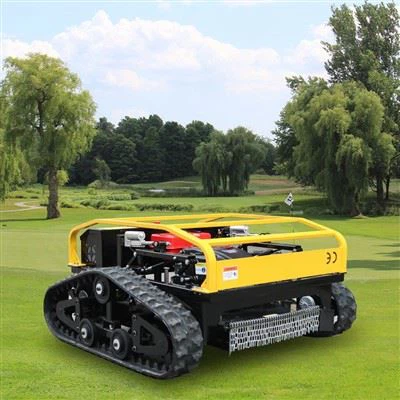
A 4WD lawn mower, a powerful and versatile machine, has become a popular choice for both residential and commercial lawn care. As a supplier of 4WD lawn mowers, I often get asked about the power sources that drive these impressive pieces of equipment. Understanding the power source is crucial as it directly impacts the performance, efficiency, and overall usability of the lawn mower. In this blog, I will delve into the different power sources available for 4WD lawn mowers, their advantages and disadvantages, and how they can meet various user needs.
Gasoline Engines
One of the most common power sources for 4WD lawn mowers is the gasoline engine. Gasoline engines have been around for a long time and are well - known for their reliability and power.
Advantages
- High Power Output: Gasoline engines can generate a significant amount of power, which is essential for 4WD lawn mowers. This high power allows the mower to cut through thick and tall grass with ease. Whether you are dealing with a large, overgrown lawn or a commercial landscape, a gasoline - powered 4WD lawn mower can get the job done quickly.
- Portability: Since they don't rely on an external power source like electricity, gasoline - powered mowers are highly portable. You can take them to any location without worrying about finding a power outlet. This makes them ideal for use in remote areas or large properties where running an extension cord is not practical.
- Wide Availability of Fuel: Gasoline is readily available at gas stations, making it convenient to refuel the lawn mower. You don't have to wait for a battery to charge or deal with other complex refueling processes.
Disadvantages
- Emissions: Gasoline engines produce emissions, including carbon monoxide, hydrocarbons, and nitrogen oxides. These emissions can have a negative impact on the environment and contribute to air pollution. In recent years, there has been a growing concern about the environmental impact of gasoline - powered equipment, and some regions have implemented stricter regulations on emissions.
- Maintenance: Gasoline engines require regular maintenance, such as oil changes, spark plug replacements, and air filter cleanings. This can be time - consuming and may add to the overall cost of owning the lawn mower.
- Noise: Gasoline engines tend to be louder compared to other power sources. The noise can be a nuisance, especially in residential areas where noise restrictions may apply.
Electric Motors
Electric motors are another popular power source for 4WD lawn mowers. There are two main types of electric lawn mowers: corded and cordless.


Corded Electric Lawn Mowers
- Advantages
- Low Emissions: Corded electric lawn mowers produce zero emissions at the point of use. This makes them a more environmentally friendly option compared to gasoline - powered mowers. They are a great choice for those who are concerned about reducing their carbon footprint.
- Quiet Operation: Electric motors are much quieter than gasoline engines. This means you can mow your lawn without disturbing your neighbors or causing a lot of noise pollution.
- Low Maintenance: Corded electric mowers generally require less maintenance than gasoline - powered mowers. There is no need for oil changes or spark plug replacements, which can save you time and money in the long run.
- Disadvantages
- Limited Mobility: The main drawback of corded electric lawn mowers is their limited mobility. You are restricted by the length of the power cord, which can make it difficult to reach certain areas of the lawn. You may need to use multiple extension cords or move the power source frequently, which can be inconvenient.
- Safety Concerns: Working with an electrical cord in a wet or damp environment can be dangerous. There is a risk of electric shock if the cord is damaged or if it comes into contact with water.
Cordless Electric Lawn Mowers
- Advantages
- Mobility: Cordless electric lawn mowers offer greater mobility compared to corded models. You can move freely around the lawn without being restricted by a power cord. This makes them more convenient to use, especially for large or irregularly shaped lawns.
- Low Emissions and Quiet Operation: Like corded electric mowers, cordless models produce zero emissions at the point of use and operate quietly.
- Disadvantages
- Limited Battery Life: The battery life of cordless electric lawn mowers can be a limitation. Depending on the size of the lawn and the power requirements of the mower, you may need to recharge the battery multiple times during a mowing session. This can be time - consuming, especially if you have a large property.
- Higher Initial Cost: Cordless electric lawn mowers with a 4WD system tend to be more expensive than their gasoline or corded electric counterparts. The cost of the battery and the charger adds to the overall price of the mower.
Diesel Engines
Diesel engines are also used in some 4WD lawn mowers, especially for commercial applications.
Advantages
- High Torque: Diesel engines are known for their high torque output. This means they can handle heavy loads and tough mowing conditions more effectively than gasoline engines. They are ideal for cutting through thick, dense grass or for use on hilly terrain.
- Fuel Efficiency: Diesel engines are generally more fuel - efficient than gasoline engines. This can result in lower operating costs over the long term, especially for commercial users who mow large areas on a regular basis.
- Durability: Diesel engines are built to be more durable and have a longer lifespan compared to gasoline engines. They can withstand heavy use and are less likely to break down, which is important for commercial operations.
Disadvantages
- Higher Initial Cost: Diesel - powered 4WD lawn mowers are typically more expensive to purchase than gasoline or electric models. The cost of the engine and the associated components is higher, which can be a deterrent for some buyers.
- Emissions and Noise: Diesel engines produce emissions, including particulate matter and nitrogen oxides, which can be harmful to the environment and human health. They are also louder than electric motors, although not as loud as some gasoline engines.
- Fuel Availability: Diesel fuel may not be as readily available as gasoline in some areas. This can be a problem if you need to refuel the lawn mower quickly.
Choosing the Right Power Source
When choosing a power source for a 4WD lawn mower, several factors need to be considered.
- Lawn Size and Terrain: If you have a large lawn or hilly terrain, a gasoline or diesel - powered mower may be more suitable due to their high power and torque. For smaller lawns, an electric mower, either corded or cordless, may be sufficient.
- Environmental Concerns: If you are concerned about the environment, an electric mower is a better choice as it produces zero emissions at the point of use. However, if you need a high - power mower for large - scale operations, a diesel engine with advanced emission control technology may be a compromise.
- Budget: Your budget will also play a role in your decision. Gasoline - powered mowers are generally more affordable upfront, while electric mowers may have a higher initial cost but lower operating costs. Diesel - powered mowers are usually the most expensive to purchase but can offer long - term savings in fuel costs.
As a supplier of 4wd Lawn Mower, I can offer a wide range of models with different power sources to meet your specific needs. Whether you are a homeowner looking for a reliable and efficient lawn mower or a commercial landscaper in need of a heavy - duty machine, we have the right solution for you.
If you are interested in our Remote Lawn Mower or any of our 4WD lawn mowers, please feel free to contact us to discuss your requirements and explore the best options for your lawn care needs. We are committed to providing high - quality products and excellent customer service. Let's start a conversation about how we can help you achieve a beautiful and well - maintained lawn.
References
- "Lawn Mower Technology and Maintenance" - A comprehensive guide on lawn mower technology, including power sources and maintenance requirements.
- "Environmental Impact of Lawn Care Equipment" - Research report on the environmental impact of different types of lawn mower power sources.
- "Commercial Lawn Mowing Best Practices" - Industry publication that discusses the use of different power sources in commercial lawn mowing operations.