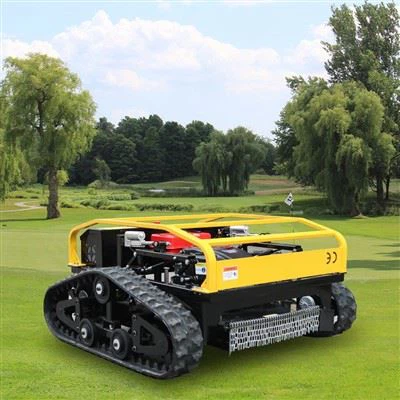
A four-wheel drive (4WD) lawn mower offers enhanced traction and maneuverability, making it an excellent choice for various lawn terrains. As a supplier of Remote Lawn Mower and 4wd Lawn Mower, we understand the importance of proper maintenance to keep your 4WD lawn mower in top - shape. Here is a comprehensive guide on the recommended maintenance for the 4WD system in a lawn mower.
Regular Inspections
Regular visual inspections are the first line of defense in maintaining your 4WD lawn mower. Before and after each use, take a few minutes to examine the key components of the 4WD system.
Inspect the drive shafts. Look for any signs of cracks, bends, or excessive wear. A damaged drive shaft can lead to uneven power distribution and eventual failure of the 4WD system. It's also important to check the universal joints on the drive shafts. These joints should move freely without any binding or clicking sounds. If you notice any issues, it's best to replace the damaged parts as soon as possible.
Next, check the axles. Look for leaks around the axle seals. A leaking axle seal can cause the loss of lubricant, which will lead to increased friction and premature wear of the axle components. Also, inspect the axles for any signs of damage, such as dents or cracks.
The differential is another crucial part of the 4WD system. Check for any signs of leaks or unusual noises. A whining or grinding noise from the differential can indicate low lubricant levels or worn - out gears. If you suspect a problem with the differential, it's advisable to have it inspected by a professional.
Lubrication
Proper lubrication is essential for the smooth operation of the 4WD system in a lawn mower. The drive shafts, axles, and differential all require regular lubrication.
For the drive shafts, use a high - quality grease. Apply grease to the universal joints according to the manufacturer's recommendations. This helps to reduce friction and prevent wear and tear. Make sure to clean the universal joints before applying the grease to remove any dirt or debris that could cause damage.
The axles and differential need to be filled with the appropriate lubricant. Refer to the owner's manual for the correct type and amount of lubricant. Over - filling or under - filling can cause problems. Check the lubricant level periodically, especially if you notice any leaks. If the lubricant level is low, add the recommended lubricant to bring it up to the proper level.
When changing the lubricant, it's important to drain the old lubricant completely. Use a suitable container to collect the used lubricant and dispose of it properly according to local regulations. After draining, clean the differential and axle housing before adding the new lubricant.
Cleaning
Keeping the 4WD system clean is vital to prevent damage from dirt, grass clippings, and other debris. After each use, use a brush or compressed air to remove any grass clippings and dirt from the drive shafts, axles, and differential.
If the lawn mower has been used in muddy or wet conditions, it's even more important to clean the 4WD system thoroughly. Mud and water can cause rust and corrosion, which can damage the components over time. Use a mild detergent and water to clean the parts, and then dry them completely.
Pay special attention to the ventilation holes on the differential and axle housing. These holes allow air to circulate and prevent the buildup of pressure. Make sure they are not blocked by dirt or debris, as this can lead to overheating and damage to the components.
Belt and Chain Maintenance
In some 4WD lawn mowers, belts and chains are used to transfer power from the engine to the 4WD system. These components require regular maintenance to ensure proper operation.


Inspect the belts for signs of wear, such as cracks, fraying, or stretching. A worn - out belt can slip, which will reduce the efficiency of the 4WD system. If you notice any signs of wear, replace the belt immediately.
For chains, check the tension and lubrication. A loose chain can cause skipping and uneven power distribution, while a rusty or dry chain can increase friction and wear. Use a suitable chain lubricant to keep the chain in good condition, and adjust the tension according to the manufacturer's instructions.
Tire Maintenance
The tires play a crucial role in the performance of the 4WD system. Check the tire pressure regularly. Incorrect tire pressure can affect the traction and handling of the lawn mower. Refer to the owner's manual for the recommended tire pressure.
Inspect the tires for signs of wear, such as uneven tread wear or bald spots. Worn - out tires can reduce traction, which defeats the purpose of having a 4WD system. Replace the tires when the tread depth reaches the recommended limit.
Also, make sure the tires are properly aligned. Misaligned tires can cause uneven wear and affect the steering and stability of the lawn mower. If you notice any pulling to one side or unusual tire wear patterns, have the tires aligned by a professional.
Storage
Proper storage is important for the long - term maintenance of the 4WD system in a lawn mower. If you are going to store the lawn mower for an extended period, such as during the winter months, follow these steps.
First, clean the entire 4WD system thoroughly to remove any dirt, grass clippings, or moisture. This helps to prevent rust and corrosion.
Change the lubricant in the differential and axles. Fresh lubricant provides better protection during storage.
Disconnect the battery to prevent it from discharging. If possible, store the battery in a cool, dry place and charge it periodically.
Store the lawn mower in a dry and protected area, such as a garage or shed. If you don't have a covered storage area, use a waterproof cover to protect the lawn mower from the elements.
Professional Servicing
Even with regular maintenance, it's a good idea to have your 4WD lawn mower serviced by a professional at least once a year. A professional technician can perform a more in - depth inspection of the 4WD system, including checking the internal components of the differential and axles.
They can also use specialized tools to diagnose any potential problems that may not be apparent during a visual inspection. For example, they can use a vibration analyzer to detect any abnormal vibrations in the drive shafts or axles.
Professional servicing can help to identify and fix small issues before they turn into major problems, which can save you time and money in the long run.
In conclusion, proper maintenance of the 4WD system in a lawn mower is essential for its performance, longevity, and reliability. By following these recommended maintenance procedures, you can ensure that your 4WD lawn mower continues to operate smoothly and efficiently.
If you are in the market for a high - quality 4wd Lawn Mower or need more information on maintenance, we are here to assist you. Our team of experts is ready to answer your questions and help you make the right choice. Contact us to discuss your procurement needs, and let's find the perfect 4WD lawn mower for your lawn.
References
- Lawn Mower Maintenance Guide - Various Manufacturers
- Automotive and Small Engine Repair Manuals
- Industry Research on Four - Wheel Drive System Maintenance