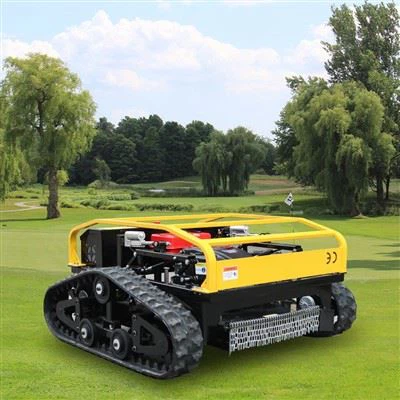
As a supplier of 4wd lawn mowers, I often get asked about the types of engines these machines typically use. In this blog post, I'll delve into the common engine types found in 4wd lawn mowers, their features, advantages, and considerations. This information can be invaluable for anyone looking to purchase a 4wd lawn mower, whether for residential or commercial use.
Gasoline Engines
Gasoline engines are by far the most prevalent type in 4wd lawn mowers. They offer a combination of power, reliability, and versatility that makes them a top choice for many users.
Features
- Power Output: Gasoline engines can provide a wide range of power outputs, from small engines suitable for light-duty residential lawns to high - powered ones for large commercial properties. The power is usually measured in horsepower (HP), and 4wd lawn mowers can have engines ranging from 10 HP to over 30 HP.
- Portability: Since they don't require an external power source like an electrical outlet, gasoline - powered 4wd lawn mowers are highly portable. You can take them anywhere on your property without worrying about the length of an extension cord or the availability of a power connection.
- Quick Start: Gasoline engines generally start quickly, especially if they are well - maintained. A simple pull of the starter cord (or push of a button on some models with electric starters) can get the engine running in seconds.
Advantages
- High Torque: Gasoline engines produce high torque, which is essential for cutting through thick grass and navigating uneven terrain. The 4wd system combined with a high - torque engine allows the lawn mower to handle tough conditions with ease.
- Fuel Availability: Gasoline is widely available at gas stations, making it convenient to refuel your lawn mower. You don't have to worry about finding a specialized fuel source, unlike some other engine types.
- Long - Running Time: With a full tank of gas, a 4wd lawn mower with a gasoline engine can run for an extended period, allowing you to cover large areas without frequent refueling.
Considerations
- Emissions: Gasoline engines produce emissions, including carbon monoxide, hydrocarbons, and nitrogen oxides. This can be a concern for environmentally conscious users and in areas with strict air quality regulations.
- Maintenance: Regular maintenance is required for gasoline engines, such as changing the oil, spark plugs, and air filters. Failure to perform these maintenance tasks can lead to reduced engine performance and a shorter lifespan.
Diesel Engines
Diesel engines are less common in 4wd lawn mowers but are still used in some commercial and heavy - duty models.


Features
- Fuel Efficiency: Diesel engines are known for their excellent fuel efficiency. They can run for longer periods on a single tank of fuel compared to gasoline engines, which can be a significant advantage for large - scale lawn mowing operations.
- Durability: Diesel engines are built to be more robust and durable. They have a longer lifespan and can withstand heavy use and harsh operating conditions.
- High Torque at Low RPM: Diesel engines produce high torque at low revolutions per minute (RPM), which is beneficial for 4wd lawn mowers. This allows the mower to maintain power while cutting through thick grass without over - revving the engine.
Advantages
- Lower Operating Costs: Due to their fuel efficiency, diesel engines can result in lower operating costs over the long term. Although diesel fuel may be slightly more expensive than gasoline in some areas, the reduced fuel consumption can offset the cost difference.
- Less Frequent Maintenance: Diesel engines generally require less frequent maintenance compared to gasoline engines. They don't have spark plugs, and the oil change intervals are often longer.
Considerations
- Higher Initial Cost: Diesel - powered 4wd lawn mowers are typically more expensive to purchase than their gasoline counterparts. This is due to the higher cost of diesel engines and the additional components required to handle diesel fuel.
- Noise and Vibration: Diesel engines tend to be noisier and produce more vibration than gasoline engines. This can be a nuisance for operators and may not be suitable for residential areas where noise restrictions apply.
- Fuel Storage: Diesel fuel needs to be stored properly to prevent contamination. It can also be more difficult to find diesel fuel in some areas, especially in rural locations.
Electric Engines
Electric engines are becoming increasingly popular in 4wd lawn mowers, especially for residential use.
Features
- Clean and Quiet Operation: Electric engines produce zero emissions during operation, making them an environmentally friendly choice. They are also much quieter than gasoline and diesel engines, which is ideal for residential neighborhoods.
- Low Maintenance: Electric engines have fewer moving parts compared to internal combustion engines, which means less maintenance. There's no need to change oil, spark plugs, or air filters.
- Instant Torque: Electric motors provide instant torque, allowing the 4wd lawn mower to start quickly and handle grass cutting tasks efficiently.
Advantages
- Cost - Effective: Electric lawn mowers are generally more cost - effective to operate in the long run. Electricity is often cheaper than gasoline or diesel fuel, and the lower maintenance requirements save on repair and replacement costs.
- Ease of Use: Electric 4wd lawn mowers are easy to start and operate. They usually have simple controls and don't require the same level of mechanical knowledge as internal combustion engine mowers.
Considerations
- Limited Range: Corded electric lawn mowers are limited by the length of the extension cord, which restricts their range of movement. Cordless electric mowers, on the other hand, have a limited battery life, which may not be sufficient for large lawns.
- Battery Charging Time: If you choose a cordless electric 4wd lawn mower, you need to consider the battery charging time. It can take several hours to fully charge a depleted battery, which can be inconvenient if you have a large area to mow.
Hybrid Engines
Hybrid engines, which combine an internal combustion engine (usually gasoline) with an electric motor, are also starting to appear in 4wd lawn mowers.
Features
- Combined Benefits: Hybrid engines offer the benefits of both gasoline and electric engines. They can provide the power and range of a gasoline engine while also offering the quiet operation and reduced emissions of an electric motor.
- Regenerative Braking: Some hybrid 4wd lawn mowers use regenerative braking technology, which converts the energy generated during braking into electricity to recharge the battery. This helps to extend the battery life and improve overall efficiency.
Advantages
- Improved Fuel Efficiency: By using the electric motor for lighter tasks and the gasoline engine for more demanding ones, hybrid engines can achieve better fuel efficiency than traditional gasoline engines.
- Flexibility: Hybrid mowers offer more flexibility in terms of operation. You can choose to run on electric power alone for quiet, low - emission operation in residential areas or switch to the gasoline engine for longer - range and more powerful performance.
Considerations
- Higher Cost: Hybrid 4wd lawn mowers are more expensive than single - engine type mowers due to the additional components and technology involved.
- Complexity: The hybrid system adds complexity to the mower, which may require more specialized maintenance and repair.
As a supplier of 4wd Lawn Mower, we offer a wide range of models with different engine types to suit your specific needs. Whether you're looking for a powerful gasoline - powered mower for commercial use, a quiet and eco - friendly electric mower for your home, or a hybrid mower that combines the best of both worlds, we have the right solution for you.
If you're also interested in more advanced options, we also provide Remote Lawn Mower models that offer greater convenience and flexibility in lawn mowing.
We understand that choosing the right engine type for your 4wd lawn mower is an important decision. Our team of experts is here to help you make an informed choice based on your lawn size, terrain, budget, and environmental concerns. If you have any questions or would like to discuss your requirements further, please don't hesitate to contact us for a purchase negotiation. We're committed to providing you with the best products and services to keep your lawn looking its best.
References
- "Small Engines: Repair and Maintenance" by Robert A. Corbin
- "Electric Vehicle Technology Explained" by James Larminie and John Lowry
- Industry reports on lawn mower engine technology trends