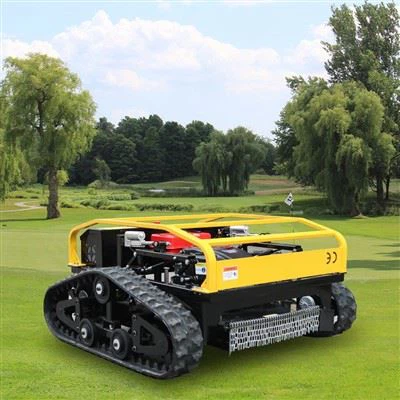
Hey there! As a supplier of 4 Wheel Drive Mowers, I often get asked about the type of oil these machines use. It's a crucial question because using the right oil can significantly impact the performance and lifespan of your mower. So, let's dive right in and explore this topic in detail.
Why Oil Matters for 4 Wheel Drive Mowers
First off, oil plays a vital role in your 4 Wheel Drive Mower. It lubricates the engine's moving parts, reducing friction and wear. Without proper lubrication, these parts can grind against each other, leading to premature failure and costly repairs. Oil also helps to cool the engine by carrying heat away from the combustion chamber. Additionally, it acts as a sealant, preventing dirt and debris from entering the engine and causing damage.


Types of Oil Suitable for 4 Wheel Drive Mowers
There are generally two main types of oil that you can use in a 4 Wheel Drive Mower: conventional oil and synthetic oil.
Conventional Oil
Conventional oil is the traditional choice for many mower owners. It's made from refined crude oil and contains additives to enhance its performance. Conventional oil is usually less expensive than synthetic oil, making it a budget - friendly option. However, it may break down more quickly under high - stress conditions, such as long mowing sessions or operating in extreme temperatures.
Synthetic Oil
Synthetic oil, on the other hand, is chemically engineered to provide superior performance. It offers better protection against wear, oxidation, and high - temperature breakdown. Synthetic oil can flow more easily at low temperatures, which means your mower will start more smoothly in cold weather. It also maintains its viscosity better under high - heat conditions, providing consistent lubrication. Although synthetic oil is more expensive than conventional oil, it can save you money in the long run by reducing engine wear and extending the life of your mower.
Viscosity Ratings
When choosing oil for your 4 Wheel Drive Mower, you'll also need to pay attention to the viscosity rating. Viscosity refers to the oil's thickness or resistance to flow. It's usually represented by two numbers, such as 10W - 30. The first number followed by the "W" (which stands for winter) indicates the oil's viscosity at low temperatures. A lower number means the oil will flow more easily in cold weather. The second number represents the oil's viscosity at high temperatures. A higher number means the oil will be thicker and provide better protection at high - heat conditions.
For most 4 Wheel Drive Mowers, a multi - viscosity oil like 10W - 30 or 5W - 30 is a good choice. These oils offer a good balance of cold - start performance and high - temperature protection. However, it's always best to refer to your mower's owner's manual for the manufacturer's recommended viscosity rating.
Manufacturer Recommendations
The best way to determine the right type of oil for your 4 Wheel Drive Mower is to consult the owner's manual. The manufacturer knows the mower's engine design and specifications best, and they will provide specific oil recommendations. Following these recommendations ensures that your mower operates at its best and that you don't void the warranty.
Changing the Oil in Your 4 Wheel Drive Mower
Regular oil changes are essential for maintaining the health of your mower. The frequency of oil changes depends on how often you use the mower and the type of oil you use. As a general rule, you should change the oil every 25 - 50 hours of operation or at least once a season.
Here's a basic guide on how to change the oil in your 4 Wheel Drive Mower:
- Prepare the mower: Make sure the mower is turned off and has cooled down completely. Park it on a level surface.
- Locate the oil drain plug: Refer to the owner's manual to find the oil drain plug. It's usually located on the bottom of the engine.
- Drain the old oil: Place an oil pan under the drain plug and carefully remove the plug. Let the old oil drain completely into the pan.
- Replace the oil filter (if applicable): Some mowers have an oil filter that should be replaced during an oil change. Follow the instructions in the owner's manual to remove and replace the filter.
- Add new oil: Once the old oil has drained, replace the drain plug and add the recommended amount of new oil through the oil fill cap. Use a funnel to avoid spills.
- Check the oil level: After adding the oil, use the dipstick to check the oil level. Make sure it's within the recommended range.
The Importance of Quality Oil
Using high - quality oil is crucial for the performance of your 4 Wheel Drive Mower. Low - quality oil may not provide adequate lubrication or protection, which can lead to engine problems. Look for oils that meet or exceed the manufacturer's specifications and are certified by recognized organizations, such as the American Petroleum Institute (API).
Our 4 Wheel Drive Mowers and Oil Compatibility
At our company, we take pride in providing high - quality 4 Wheel Drive Mowers that are designed to perform well with a variety of oils. Whether you choose conventional or synthetic oil, as long as you follow the manufacturer's recommendations, our mowers will run smoothly.
We also offer a range of other innovative lawn mowers, such as the Robotic Lawn Mower, Remote Control Lawn Mower With Tracks, and Remote Control Flail Mower. These mowers are built with the latest technology to make your lawn - care tasks easier and more efficient.
Conclusion
Choosing the right type of oil for your 4 Wheel Drive Mower is essential for its performance and longevity. Whether you opt for conventional or synthetic oil, make sure to consider the viscosity rating and follow the manufacturer's recommendations. Regular oil changes and using high - quality oil will keep your mower running smoothly for years to come.
If you're in the market for a new 4 Wheel Drive Mower or have any questions about oil selection, don't hesitate to reach out to us. We're here to help you make the best choice for your lawn - care needs. Let's start a conversation and see how we can assist you with your purchase.
References
- Briggs & Stratton Engine Oil Guide
- Toro Mower Owner's Manuals
- Honda Power Equipment Oil Recommendations