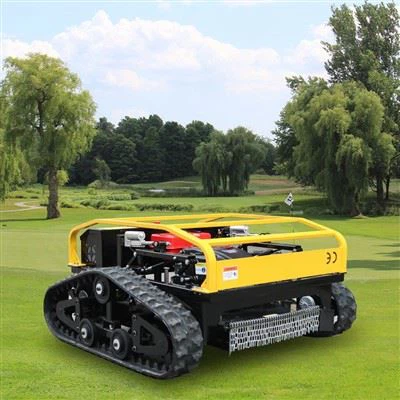
Hey there, lawn enthusiasts! As a supplier of 4wd Lawn Mower, I've been getting a lot of questions lately about whether 4WD lawn mowers are more resistant to rust. It's a great question, and one that I'm happy to dive into.
First off, let's talk about what causes rust. Rust is basically the oxidation of iron or steel when it comes into contact with oxygen and moisture. You've probably seen it on old bikes, fences, or even tools that have been left out in the rain. When it comes to lawn mowers, the metal parts are constantly exposed to the elements - grass clippings, water from rain or irrigation, and sometimes even harsh chemicals. So, it's no wonder that rust can become a problem.
Now, let's get to the heart of the matter: are 4WD lawn mowers more resistant to rust? Well, it's not a straightforward yes or no answer. There are a few factors to consider.
1. Construction Materials
One of the biggest factors in rust resistance is the materials used to build the lawn mower. Many modern 4WD lawn mowers are made with high - quality steel or aluminum. Steel is strong and durable, but it's also prone to rust if not properly treated. Aluminum, on the other hand, is naturally resistant to rust because it forms a protective oxide layer on its surface when exposed to air.
Some of the 4WD lawn mowers we supply use a combination of these materials. The frame might be made of steel, but it's coated with a rust - resistant paint or powder coating. This coating acts as a barrier between the metal and the elements, preventing oxygen and moisture from reaching the steel and causing rust. The engine parts and other critical components might be made of aluminum or stainless steel, which are much more resistant to corrosion.
2. Design Features
4WD lawn mowers often have design features that can help prevent rust. For example, they usually have better drainage systems. Since water is one of the main culprits in rust formation, being able to quickly drain away any water that gets on the mower is crucial. The mowers are designed with sloped surfaces and holes that allow water to run off instead of pooling on the metal parts.
Another design aspect is the way the parts are assembled. A well - designed 4WD lawn mower will have parts that fit together tightly, leaving fewer gaps where water and dirt can accumulate. This reduces the chances of rust forming in hard - to - reach areas.
3. Maintenance
No matter how rust - resistant a lawn mower is, proper maintenance is key. Even the best - built 4WD lawn mower can start to rust if it's not taken care of. After each use, it's important to clean the mower thoroughly. Remove any grass clippings, dirt, and debris from the blades, deck, and other parts. You can use a hose to rinse off the mower, but make sure to dry it completely afterwards.
It's also a good idea to lubricate the moving parts regularly. This not only helps the mower run smoothly but also protects the metal from rust. And if you notice any signs of rust starting to form, address it right away. You can use a rust remover and then touch up the paint or coating to prevent further corrosion.
Comparing with Other Types of Lawn Mowers
Let's compare 4WD lawn mowers with other types, like Remote Lawn Mower. Remote lawn mowers are often more lightweight and might be made with different materials. Some remote mowers are made with plastic parts to reduce weight, which are obviously not prone to rust. However, the metal parts in remote mowers are usually smaller and less exposed to the elements compared to 4WD mowers.
4WD mowers, on the other hand, are built for more heavy - duty use. They have larger engines, stronger frames, and more robust metal components. While this means they are more likely to be exposed to the elements during operation, the advanced construction materials and design features we mentioned earlier can give them an edge in terms of rust resistance.
Real - World Examples
I've had customers who have used our 4WD lawn mowers in different environments. In areas with high humidity or near the coast, where the air is salty, rust can be a big problem. But many of our customers have reported that their 4WD mowers have held up well over the years.
One customer in a coastal town told me that he's had his 4WD lawn mower for five years. He follows a regular maintenance routine, and other than a little surface rust on one of the non - critical parts, the mower is in great shape. This shows that with the right combination of good construction and proper maintenance, 4WD lawn mowers can be quite resistant to rust.
So, Are They More Resistant?
In general, 4WD lawn mowers have the potential to be more resistant to rust compared to some other types of mowers. Their construction materials, design features, and the fact that they are often built for heavy - duty use mean that manufacturers take extra steps to protect them from corrosion. However, it's not a guarantee. Rust resistance still depends on factors like the environment in which the mower is used and how well it's maintained.
If you're in the market for a lawn mower and rust resistance is a concern, a 4WD lawn mower could be a great option. But remember, no matter which mower you choose, taking good care of it is essential.
If you're interested in learning more about our 4WD lawn mowers or have any questions about rust resistance, don't hesitate to reach out. We're here to help you make the best choice for your lawn. Whether you're a professional landscaper or a homeowner with a large yard, our 4WD lawn mowers are designed to get the job done efficiently and last for years.
Let's start a conversation about your lawn mowing needs. We can discuss the different models we offer, their features, and how they can fit into your budget. Looking forward to hearing from you!


References
- "Lawn Mower Maintenance Guide" - A general guide on maintaining lawn mowers to prevent rust and other issues.
- "Materials Science in Lawn Mower Construction" - A technical paper on the materials used in lawn mower manufacturing and their properties related to rust resistance.