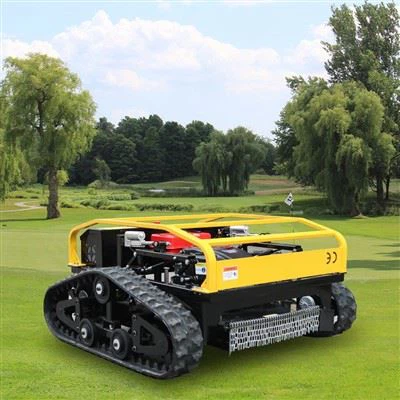
As a supplier of remote mowers, one question I'm frequently asked is whether a remote mower can be used on clay soil. This is a valid concern, as clay soil has unique characteristics that can pose challenges for lawn maintenance equipment. In this blog post, I'll delve into the feasibility of using a remote mower on clay soil, exploring the advantages, potential issues, and best practices to ensure optimal performance.
Understanding Clay Soil
Before we discuss the suitability of remote mowers for clay soil, it's essential to understand the properties of this type of soil. Clay soil is composed of fine particles that pack tightly together, resulting in poor drainage and high compaction. When wet, clay soil becomes sticky and heavy, making it difficult for equipment to maneuver. On the other hand, when dry, it can become hard and cracked, which can also affect the performance of a mower.
Advantages of Using a Remote Mower on Clay Soil
Despite the challenges posed by clay soil, there are several advantages to using a remote mower in such conditions:
Precision Mowing
Remote mowers offer precise control over the mowing path, allowing you to navigate around obstacles and uneven terrain with ease. This is particularly beneficial on clay soil, where the ground may be uneven due to compaction or waterlogging. With a remote mower, you can ensure that every inch of your lawn is mowed evenly, resulting in a neat and professional-looking finish.
Reduced Soil Compaction
Traditional lawn mowers, especially those with large wheels, can cause significant soil compaction, which can further exacerbate the drainage issues associated with clay soil. Remote mowers, on the other hand, are typically lightweight and have smaller wheels, which distribute the weight more evenly and reduce the risk of soil compaction. This helps to maintain the health of your lawn by allowing air, water, and nutrients to penetrate the soil more easily.
Safety
Mowing on clay soil can be hazardous, especially if the ground is slippery or uneven. Remote mowers eliminate the need for operators to be physically present on the lawn, reducing the risk of accidents and injuries. This is particularly important for large or steep lawns, where the risk of falls or collisions is higher.
Potential Issues and Solutions
While remote mowers offer several advantages for mowing on clay soil, there are also some potential issues that you need to be aware of:
Traction
One of the main challenges of using a remote mower on clay soil is maintaining traction. When the soil is wet, it can become extremely slippery, causing the mower to lose traction and struggle to move forward. To overcome this issue, look for a remote mower with features such as large, wide tires or tracks, which provide better grip on slippery surfaces. Additionally, you may need to adjust the mowing speed and avoid mowing when the soil is excessively wet.
Blade Maintenance
Clay soil can be abrasive, which can cause the mower blades to wear out more quickly. To ensure optimal performance and a clean cut, it's important to regularly sharpen and replace the blades. Additionally, you may need to clean the blades more frequently to remove any dirt or debris that may have accumulated during mowing.


Battery Life
Mowing on clay soil can be more demanding on the mower's battery, as the motor may need to work harder to maintain traction and move through the thick, heavy soil. To avoid running out of power mid-mow, make sure to choose a remote mower with a long battery life and consider investing in additional batteries if needed.
Best Practices for Using a Remote Mower on Clay Soil
To get the best results when using a remote mower on clay soil, follow these best practices:
Choose the Right Mower
Not all remote mowers are created equal, and some are better suited for clay soil than others. Look for a mower with features such as large, wide tires or tracks, a powerful motor, and a durable construction. Additionally, consider the size and shape of your lawn, as well as any specific features or requirements you may have.
Mow at the Right Time
The best time to mow clay soil is when it's dry, but not too dry. If the soil is too wet, the mower may struggle to move forward and cause excessive soil compaction. On the other hand, if the soil is too dry, it can become hard and cracked, making it difficult for the mower to cut through the grass. Aim to mow when the soil is slightly moist, but not soggy.
Adjust the Mowing Height
When mowing on clay soil, it's important to adjust the mowing height to avoid cutting the grass too short. Cutting the grass too short can damage the roots and make the lawn more susceptible to drought and disease. Aim to mow the grass at a height of 2-3 inches, and avoid removing more than one-third of the grass blade at a time.
Maintain the Mower
Regular maintenance is essential for keeping your remote mower in good working condition, especially when mowing on clay soil. Make sure to clean the mower after each use, remove any dirt or debris from the blades and wheels, and check the oil and battery levels regularly. Additionally, follow the manufacturer's recommendations for blade sharpening, filter replacement, and other maintenance tasks.
Conclusion
In conclusion, a remote mower can be a great option for mowing on clay soil, provided that you choose the right mower, follow the best practices, and take the necessary precautions. With its precision control, reduced soil compaction, and safety features, a remote mower can help you maintain a beautiful, healthy lawn on even the most challenging terrain.
If you're interested in learning more about our Self Propelled Garden Remote Control Lawn Mower or Robotic Lawn Mower models, or if you have any questions about using a remote mower on clay soil, please don't hesitate to contact us. We'd be happy to discuss your specific needs and help you find the perfect solution for your lawn.
References
- "Clay Soil: Characteristics and Management." University of Minnesota Extension.
- "Remote Control Lawn Mowers: Benefits and Considerations." HomeAdvisor.
- "How to Maintain Your Lawn Mower for Optimal Performance." The Spruce.