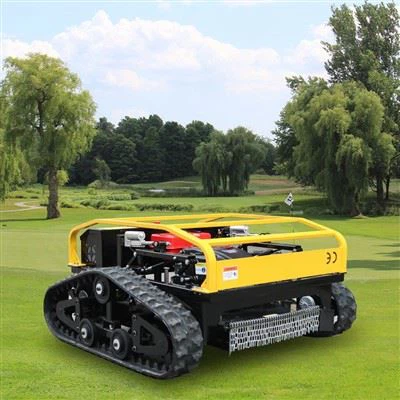
Hey there! As a supplier of 4wd Lawn Mower, I often get asked about how to check the engine of a 4wd lawn mower. It's a crucial part of keeping your lawn mower in top - notch condition, so I'm gonna break it down for you step by step.
Why Checking the Engine is Important
First off, let's talk about why it's so important to check your 4wd lawn mower's engine regularly. The engine is the heart of the mower. A well - maintained engine ensures that your mower runs smoothly, cuts grass efficiently, and has a longer lifespan. If you neglect engine checks, you might end up with a breakdown in the middle of your lawn, which is not only frustrating but can also be costly to repair.
Pre - Check Safety Measures
Before you even think about opening up the engine compartment, safety should be your top priority. Make sure the mower is turned off and has cooled down completely. This prevents any risk of burns from a hot engine. Also, disconnect the spark plug wire. This is super important because it stops the engine from accidentally starting while you're working on it.
Visual Inspection
Let's start with a simple visual inspection. Pop open the engine cover. You'll want to look for any obvious signs of damage or wear. Check the engine for leaks. Look around the oil pan, fuel lines, and gaskets. If you see any puddles of oil or fuel under the mower or wet spots on the engine itself, that's a red flag. Leaks can lead to a loss of vital fluids, which can cause the engine to overheat or malfunction.
Inspect the air filter. The air filter is like the lungs of the engine. It keeps dirt and debris from getting into the engine cylinders. A dirty air filter restricts airflow, which can make the engine run poorly. If the filter is clogged with dirt and grass clippings, it's time to clean or replace it. Most air filters can be cleaned by gently tapping them to remove loose debris or by using compressed air. If it's really dirty or damaged, you'll need to get a new one.
Check the spark plug. The spark plug is responsible for igniting the fuel - air mixture in the engine cylinders. Remove the spark plug using a spark plug wrench. Look at the electrode. If it's covered in black soot, it might mean the engine is running too rich (too much fuel and not enough air). A white, chalky deposit could indicate that the engine is running too hot. If the electrode is worn or damaged, replace the spark plug.
Oil Check
Oil is the lifeblood of the engine. It lubricates the moving parts, reduces friction, and helps keep the engine cool. To check the oil level, locate the oil dipstick. It's usually marked with a bright color or has an easy - to - grab handle. Pull out the dipstick, wipe it clean with a rag, and then re - insert it fully. Pull it out again and check the oil level. The dipstick will have markings indicating the proper oil level. If the oil is below the minimum mark, add the recommended type of oil.
Also, pay attention to the color and consistency of the oil. Fresh oil is usually a clear, amber color. If the oil is black and gritty, it's time for an oil change. Over time, oil breaks down and accumulates dirt and debris, which can reduce its effectiveness.
Fuel System Check
The fuel system is another critical area to inspect. Start by checking the fuel level. Make sure there's enough fuel in the tank to run the mower. If the fuel has been sitting in the tank for a long time, it might have gone bad. Old fuel can cause starting problems and poor engine performance.

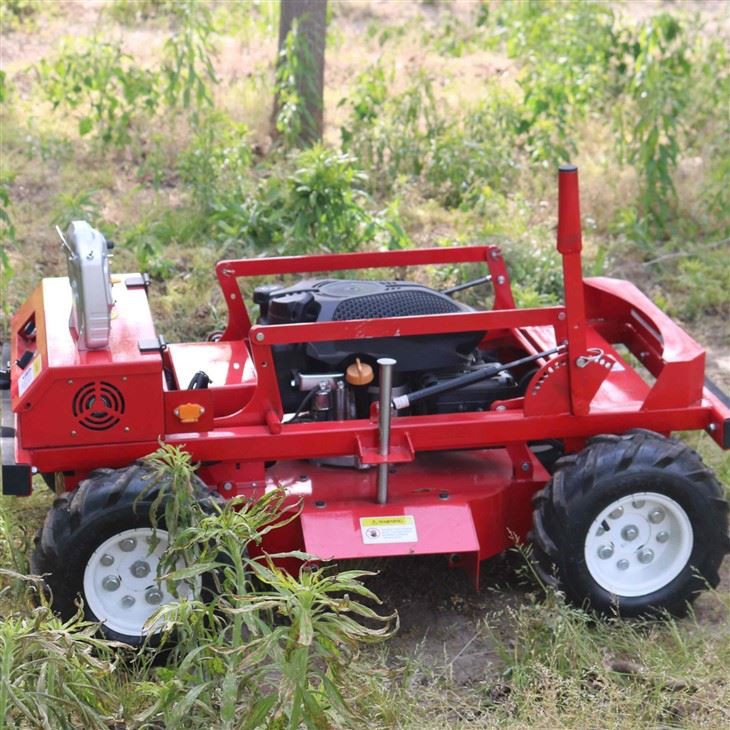
Inspect the fuel lines for cracks, leaks, or blockages. A damaged fuel line can prevent fuel from reaching the engine. If you notice any issues with the fuel lines, replace them immediately.
The fuel filter also needs checking. It's designed to remove impurities from the fuel before it reaches the engine. A clogged fuel filter can starve the engine of fuel. If the filter is dirty, replace it according to the manufacturer's recommendations.
Cooling System Check
4wd lawn mowers usually have a cooling system to prevent the engine from overheating. Most small engines use air - cooling, which means they rely on a fan or fins to dissipate heat. Check the cooling fins on the engine for any blockages. Grass clippings, dirt, and debris can build up on the fins, reducing their ability to cool the engine. Use a brush or compressed air to clean the fins.
If your mower has a radiator (although this is less common in small lawn mowers), check the coolant level. Make sure the radiator is free of leaks and that the coolant hoses are in good condition.
Belt and Pulley Check
Many 4wd lawn mowers use belts and pulleys to transfer power from the engine to the wheels and cutting blades. Inspect the belts for signs of wear, such as cracks, fraying, or stretching. A worn belt can slip, which can cause a loss of power or prevent the mower from moving or cutting properly. If the belt is damaged, replace it.
Check the pulleys for proper alignment and smooth rotation. A misaligned pulley can put extra stress on the belt and cause it to wear out faster. If a pulley is stuck or doesn't rotate smoothly, it might need to be lubricated or replaced.
Compression Test
If you've done all the above checks and the engine still seems to be having problems, you might want to perform a compression test. A compression test measures the pressure inside the engine cylinders. Low compression can indicate problems such as worn piston rings, a blown head gasket, or damaged valves.
To perform a compression test, you'll need a compression tester. Remove the spark plug, screw the compression tester into the spark plug hole, and then crank the engine a few times using the starter or pull - cord. The compression tester will give you a reading. Compare this reading to the manufacturer's specifications. If the compression is low, it's a sign that there's an internal problem with the engine that might require professional repair.
Final Thoughts
Checking the engine of a 4wd lawn mower might seem like a daunting task, but it's really not that complicated once you know what to look for. By following these steps regularly, you can catch potential problems early and keep your mower running smoothly for years to come.
If you're in the market for a new 4wd Lawn Mower or even a Remote Lawn Mower, we've got you covered. We offer a wide range of high - quality mowers at competitive prices. Whether you're a homeowner with a small lawn or a professional landscaper, we have the right mower for you.
If you're interested in purchasing or have any questions about our products, don't hesitate to reach out. We're here to help you make the best choice for your lawn care needs.
References
- Lawn Mower Maintenance Manuals
- Small Engine Repair Guides