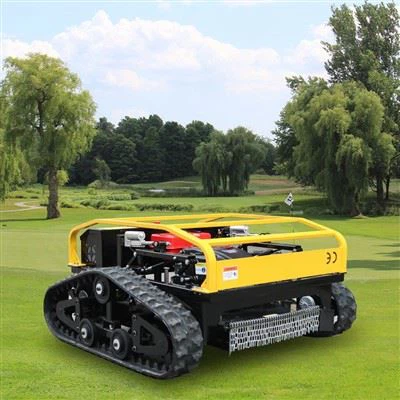
Maintaining a remote mower is crucial for its longevity, performance, and safety. As a remote mower supplier, I understand the importance of proper maintenance and want to share some valuable insights with you. In this blog post, I'll guide you through the essential steps to keep your remote mower in top - notch condition.
1. Pre - operation Inspection
Before each use of your remote mower, a thorough pre - operation inspection is necessary. Start by checking the physical condition of the mower. Look for any visible signs of damage such as cracks in the body, loose parts, or bent blades. A damaged mower can not only affect the cutting quality but also pose a safety risk.
Inspect the remote control system. Ensure that the batteries in the remote are fully charged and that the connection between the remote and the mower is stable. You can test the functionality of the remote by turning on the mower and using different control functions like forward, backward, left, and right movement. If you encounter any issues with the remote control, refer to the user manual for troubleshooting.
The fuel system also requires attention. For gasoline - powered remote mowers, check the fuel level. Make sure there are no fuel leaks around the tank, fuel lines, or the carburetor. If you notice any leaks, do not operate the mower until the issue is resolved. Diesel - powered mowers should also be checked for similar problems. Electric mowers, on the other hand, need to have their battery packs in good condition. Check the battery charge level and the integrity of the charging cables.
2. Blade Maintenance
The blades of a remote mower are its most critical cutting components. Regular blade maintenance is essential for a clean and efficient cut. First, clean the blades after each use. Grass clippings, dirt, and debris can accumulate on the blades, which can affect their cutting performance and cause uneven wear. Use a brush or a cloth to remove the debris.
Sharpen the blades regularly. Dull blades can tear the grass instead of cutting it cleanly, leading to a less healthy lawn and increased stress on the mower's engine. You can use a blade sharpener or take the blades to a professional for sharpening. The frequency of sharpening depends on how often you use the mower. For heavy - use scenarios, sharpening every few weeks may be necessary, while for light - use, once a month might be sufficient.
Check the blade balance. An unbalanced blade can cause excessive vibration, which can damage the mower's engine and other components over time. You can use a blade balancer to check if the blade is balanced. If it's not, you may need to adjust or replace the blade.
3. Engine Maintenance
For mowers with internal combustion engines (gasoline or diesel), proper engine maintenance is vital. Change the engine oil regularly according to the manufacturer's recommendations. Old oil can become contaminated with dirt and debris, reducing its lubricating properties and potentially causing engine damage.
Replace the air filter at appropriate intervals. A dirty air filter restricts the airflow to the engine, which can lead to poor performance and increased fuel consumption. A clean air filter ensures that the engine gets enough clean air for efficient combustion.
Inspect the spark plug (for gasoline engines). A worn - out or dirty spark plug can cause starting problems and poor engine performance. Clean or replace the spark plug as needed.


4. Transmission and Drive System Maintenance
The transmission and drive system of a remote mower are responsible for transferring power from the engine to the wheels or tracks. Check the transmission fluid level (if applicable) and look for any signs of leaks. Low fluid levels or leaks can lead to transmission failure.
Inspect the drive belts and chains. Look for signs of wear, such as cracks, fraying, or stretching. Tighten or replace the belts and chains as necessary. Loose or worn - out belts and chains can slip, reducing the mower's power and efficiency.
Lubricate the moving parts in the drive system. This includes bearings, axles, and joints. Proper lubrication reduces friction, which extends the lifespan of these components and improves the overall performance of the mower.
5. Electrical System Maintenance
For electric remote mowers or those with electrical components in the control system, the electrical system needs special attention. Check the wiring harnesses for any signs of damage, such as frayed wires or loose connections. Damaged wiring can cause electrical shorts, which can be dangerous and may damage the mower's electronics.
Test the battery charger regularly. A faulty charger can over - charge or under - charge the battery, reducing its lifespan. Make sure the charger is providing the correct voltage and current.
6. Cleaning and Storage
After each use, clean the entire mower thoroughly. Remove grass clippings, dirt, and mud from the body, undercarriage, and cutting deck. Use a hose or a pressure washer (set at a low pressure) to clean hard - to - reach areas.
When it comes to storage, find a dry and protected place for your remote mower. If you're storing it for an extended period, such as during the winter months, take some additional steps. For gasoline - powered mowers, run the engine until the fuel tank is empty to prevent fuel from deteriorating and causing carburetor problems. For electric mowers, fully charge the battery and store it in a cool place.
By following these maintenance steps, you can ensure that your remote mower operates efficiently, lasts longer, and provides a high - quality cutting performance.
At our company, we offer a wide range of high - quality remote mowers, including Remote Control Mower, Remote Control Flail Mower, and Remote Control Grass Cutter. Our products are designed with durability and performance in mind, and we are committed to providing excellent after - sales service and support.
If you're interested in purchasing a remote mower or have any questions about maintenance, please feel free to contact us for further discussions. We look forward to helping you find the perfect solution for your lawn care needs.
References
- "Lawn Mower Maintenance Guide" - Published by a leading lawn equipment manufacturer.
- "Remote Control Equipment Operation and Maintenance Manuals" - Various brands' official manuals.