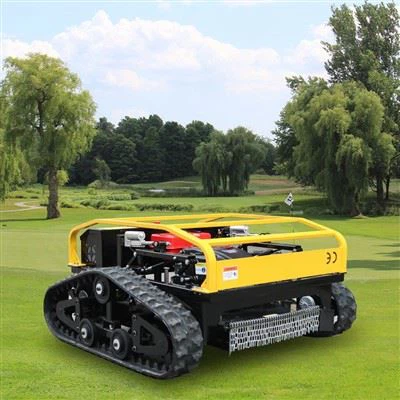
Cleaning a 4wd lawn mower after use is not just a matter of aesthetics; it's a crucial maintenance step that can significantly extend the lifespan of your equipment and ensure optimal performance. As a supplier of 4wd Lawn Mower, I've seen firsthand the difference proper cleaning can make. In this blog post, I'll share my insights on how to clean a 4wd lawn mower effectively.
Why Cleaning is Important
Before diving into the cleaning process, let's understand why it's so important. When you mow the lawn, grass clippings, dirt, and debris accumulate on the mower's surfaces, including the deck, blades, and wheels. If left uncleaned, these deposits can cause several problems. For instance, grass clippings can clog the mower deck, reducing airflow and causing the engine to overheat. Dirt and debris can also wear down the moving parts, leading to premature failure. Regular cleaning helps prevent these issues, keeping your mower in top condition.
Pre-Cleaning Preparations
Before you start cleaning your 4wd lawn mower, there are a few safety precautions you need to take. First, make sure the mower is turned off and the engine is cool. This will prevent any accidental starts and protect you from burns. Next, disconnect the spark plug wire to prevent the engine from starting while you're cleaning. You should also wear protective gear, such as gloves and safety glasses, to protect yourself from sharp blades and flying debris.

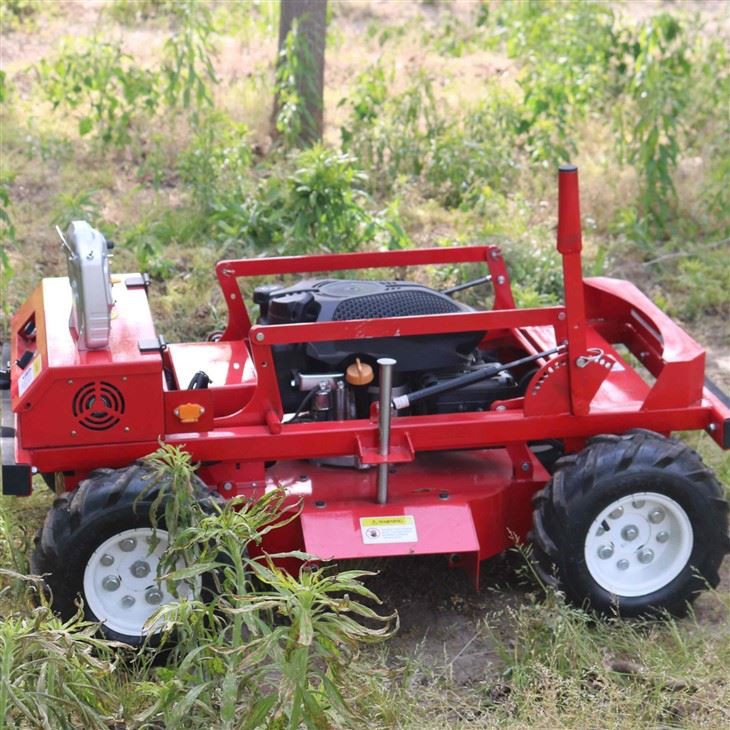
Cleaning the Exterior
The first step in cleaning your 4wd lawn mower is to clean the exterior. Start by using a brush or compressed air to remove any loose dirt and debris from the mower's surfaces. Pay special attention to the areas around the engine, wheels, and controls. Once you've removed the loose debris, use a mild detergent and water to wash the exterior of the mower. You can use a sponge or a soft brush to scrub the surfaces gently. Rinse the mower thoroughly with clean water and dry it with a clean cloth.
Cleaning the Deck
The mower deck is one of the most important parts of the mower, and it requires special attention when cleaning. Grass clippings and debris can accumulate on the deck, causing it to rust and reducing its cutting efficiency. To clean the deck, start by removing the mower blades. This will make it easier to access the deck and clean it thoroughly. You can use a socket wrench to remove the blades. Once the blades are removed, use a brush or a scraper to remove any grass clippings and debris from the deck. You can also use a pressure washer to clean the deck, but be careful not to damage the mower's components. After cleaning the deck, rinse it thoroughly with clean water and dry it with a clean cloth.
Cleaning the Blades
The mower blades are the cutting edge of the mower, and they need to be kept sharp and clean to ensure a clean cut. To clean the blades, start by removing them from the mower. You can use a socket wrench to remove the blades. Once the blades are removed, use a wire brush or a blade cleaner to remove any grass clippings and debris from the blades. You can also use a sharpening stone or a file to sharpen the blades. Make sure to follow the manufacturer's instructions when sharpening the blades. After cleaning and sharpening the blades, reinstall them on the mower.
Cleaning the Wheels
The wheels of your 4wd lawn mower also need to be cleaned regularly to ensure smooth operation. Grass clippings and debris can accumulate on the wheels, causing them to slip and reducing their traction. To clean the wheels, start by using a brush or a scraper to remove any grass clippings and debris from the wheels. You can also use a pressure washer to clean the wheels, but be careful not to damage the mower's components. After cleaning the wheels, rinse them thoroughly with clean water and dry them with a clean cloth.
Cleaning the Engine
The engine is the heart of your 4wd lawn mower, and it needs to be kept clean and well-maintained to ensure optimal performance. To clean the engine, start by using a brush or compressed air to remove any loose dirt and debris from the engine's surfaces. Pay special attention to the areas around the air filter, spark plug, and carburetor. Once you've removed the loose debris, use a mild detergent and water to wash the engine's surfaces. You can use a sponge or a soft brush to scrub the surfaces gently. Rinse the engine thoroughly with clean water and dry it with a clean cloth.
Lubricating the Moving Parts
After cleaning your 4wd lawn mower, it's important to lubricate the moving parts to ensure smooth operation. You can use a lubricant, such as WD-40 or a light machine oil, to lubricate the wheels, axles, and other moving parts. Make sure to follow the manufacturer's instructions when lubricating the moving parts.
Storing the Mower
Once you've cleaned and lubricated your 4wd lawn mower, it's time to store it properly. Make sure to store the mower in a dry, protected area, such as a garage or a shed. You should also cover the mower with a tarp or a mower cover to protect it from the elements. If you're storing the mower for an extended period of time, you should also drain the fuel tank and the carburetor to prevent the fuel from deteriorating.
Conclusion
Cleaning your 4wd lawn mower after use is an important maintenance step that can significantly extend the lifespan of your equipment and ensure optimal performance. By following the steps outlined in this blog post, you can keep your mower in top condition and enjoy a beautiful, well-manicured lawn for years to come.
If you're in the market for a high-quality 4wd Lawn Mower or a Remote Lawn Mower, we're here to help. Our team of experts can provide you with the information and support you need to make an informed decision. Contact us today to learn more about our products and services and to start a purchase negotiation.
References
- Lawn Mower Maintenance Guide. Manufacturer's Manual.
- Tips for Cleaning and Maintaining Your Lawn Mower. Online Resource.