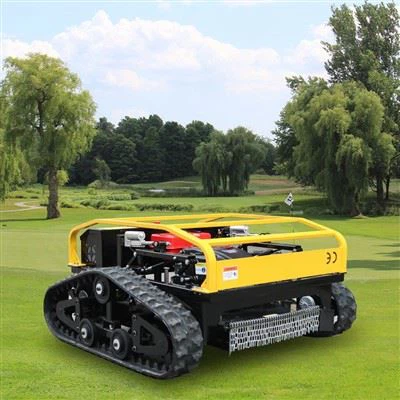
Maintaining the transmission of a 4WD lawn mower is crucial for its optimal performance and longevity. As a supplier of 4wd Lawn Mower, I've seen firsthand the impact of proper and improper maintenance on these machines. In this blog, I'll share some essential tips on how to keep your 4WD lawn mower's transmission in top - notch condition.
Understanding the Transmission of a 4WD Lawn Mower
Before delving into maintenance, it's important to understand what the transmission in a 4WD lawn mower does. The transmission is responsible for transferring power from the engine to the wheels. In a 4WD lawn mower, power is distributed to all four wheels, providing better traction and maneuverability, especially on uneven or hilly terrains.
There are generally two types of transmissions in lawn mowers: manual and automatic. Manual transmissions require the operator to shift gears, while automatic transmissions adjust the gear ratios automatically based on the load and speed. Both types have their own set of maintenance requirements.
Regular Inspections
One of the first steps in maintaining the transmission of a 4WD lawn mower is conducting regular inspections. Check the transmission fluid level frequently. Just like in a car, the transmission fluid in a lawn mower lubricates the moving parts, cools the transmission, and helps with smooth gear shifting.
To check the fluid level, refer to the owner's manual. Usually, there is a dipstick or a sight glass. If the fluid level is low, add the recommended type of transmission fluid. Be careful not to overfill, as this can also cause problems.
Inspect the transmission for any signs of leaks. Look for puddles of fluid under the mower or wet spots on the transmission housing. Leaks can lead to a loss of fluid, which can cause the transmission to overheat and wear out prematurely. If you notice a leak, it's important to address it immediately. You may need to replace a gasket or a seal.
Examine the drive belts and chains that are part of the transmission system. Over time, these belts and chains can wear out, stretch, or break. A worn - out belt or chain can cause slipping, which affects the power transfer to the wheels. Check for cracks, fraying, or excessive slack. If necessary, replace the belts or chains according to the manufacturer's specifications.
Cleaning and Lubrication
Keeping the transmission clean is essential for its proper functioning. Dirt, grass clippings, and debris can accumulate around the transmission, which can block ventilation and cause overheating. After each use, take a few minutes to clean the area around the transmission. Use a brush or compressed air to remove any loose debris.
In addition to cleaning, proper lubrication is key. Lubricate all the moving parts of the transmission, such as the gears, bearings, and shafts. Use a high - quality lubricant recommended by the manufacturer. Over - lubrication can attract dirt and debris, so follow the guidelines on how much lubricant to use.
Proper Usage
How you use the 4WD lawn mower also affects the transmission's lifespan. Avoid overloading the mower. If you try to cut through thick, tall grass or wet grass, it can put excessive strain on the transmission. Instead, mow in multiple passes if the grass is too long.
When starting and stopping the mower, do it smoothly. Jerky starts and stops can cause unnecessary stress on the transmission. Engage and disengage the gears slowly to prevent sudden shocks to the system.
Avoid using the mower on extremely steep slopes for extended periods. While 4WD lawn mowers are designed for better traction on slopes, excessive use on steep inclines can overwork the transmission.
Temperature Management
The transmission in a 4WD lawn mower can overheat if it is under heavy load or if there is poor ventilation. Overheating can break down the transmission fluid and damage the internal components.
Make sure the cooling system of the mower is working properly. This may include a radiator or a cooling fan. Keep the cooling fins clean and free from debris to ensure efficient heat dissipation.
If you notice that the mower is working harder than usual or if the transmission feels hot to the touch, stop the mower and let it cool down. Continuing to operate an overheated transmission can cause permanent damage.
Professional Servicing
Even with regular maintenance, it's a good idea to have your 4WD lawn mower serviced by a professional at least once a year. A professional technician has the tools and expertise to perform a thorough inspection of the transmission. They can check for internal wear and tear, adjust the components if necessary, and ensure that the transmission is in optimal condition.
During a professional service, the technician may also perform a fluid change. Over time, the transmission fluid can break down and lose its effectiveness. Changing the fluid at the recommended intervals will help maintain the performance of the transmission.
Storage
Proper storage of the 4WD lawn mower during the off - season is also important for the transmission. Before storing the mower, clean the transmission thoroughly and change the transmission fluid if it's due. This will prevent the fluid from deteriorating during storage.


Store the mower in a dry, protected area. Moisture can cause rust and corrosion in the transmission. If possible, cover the mower with a tarp to keep it clean and dry.
Troubleshooting Common Transmission Problems
Even with the best maintenance, you may encounter some transmission problems. Here are some common issues and how to troubleshoot them:
- Slipping Gears: If the gears are slipping, it could be due to low transmission fluid, a worn - out clutch, or a problem with the shift linkage. Check the fluid level first. If it's okay, inspect the clutch and the shift linkage for any signs of damage or misalignment.
- Difficulty Shifting Gears: This can be caused by a dirty or worn - out shift mechanism, low fluid, or a problem with the synchronizers. Clean the shift mechanism and check the fluid level. If the problem persists, it may require professional attention.
- Strange Noises: Unusual noises such as grinding, whining, or clunking can indicate a problem with the gears, bearings, or other internal components. Stop using the mower immediately and have it inspected by a professional.
Conclusion
Maintaining the transmission of a 4WD lawn mower is a combination of regular inspections, proper cleaning and lubrication, correct usage, temperature management, professional servicing, and proper storage. By following these tips, you can ensure that your 4WD lawn mower's transmission lasts for a long time and provides reliable performance.
If you're in the market for a new 4wd Lawn Mower or a Remote Lawn Mower, we're here to help. Our range of high - quality lawn mowers is designed to meet your needs. Whether you have a small backyard or a large commercial property, we have the right mower for you. Contact us for more information and to discuss your specific requirements. We look forward to working with you to find the perfect lawn mower solution.
References
- Lawn Mower Owner's Manuals
- Industry Publications on Small Engine Maintenance
- Manufacturer's Technical Bulletins