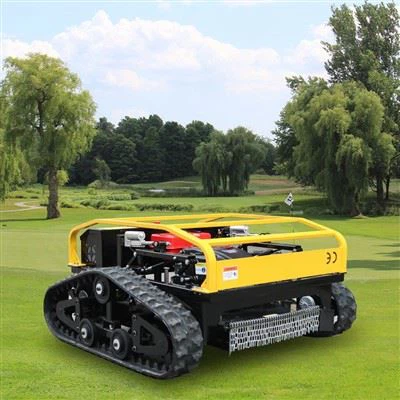
Hey there! As a supplier of remote mowers, I often get asked about the best ways to store these nifty machines. It's not just about finding a random corner in the shed; proper storage can significantly extend the lifespan of your remote mower and keep it in top - notch condition for the next mowing season.
First off, let's talk about why storage matters. Remote mowers, whether they're Remote Control Rotary Lawn Mower Automatic Robot Lawnmower, Remote Control Flail Mower, or Robotic Lawn Mower, are precision pieces of equipment. They've got electronic components, sharp blades, and moving parts that can be affected by the elements and improper handling.
Pre - storage Checks
Before you tuck your remote mower away, it's essential to give it a thorough once - over. Start by cleaning the mower. Grass clippings, dirt, and debris can build up over time, and if left unattended, they can cause corrosion and damage to the mower's body and components. Use a brush to remove loose dirt and a hose to wash away the rest. Make sure to dry it completely to prevent rust.
Next, check the blades. Dull or damaged blades won't cut grass effectively and can also put extra strain on the mower's motor. If the blades are dull, sharpen them using a file or take them to a professional for sharpening. If they're damaged, it's best to replace them.
Inspect the battery. For electric remote mowers, a healthy battery is crucial. If the battery is removable, take it out and store it separately in a cool, dry place. Charge it to about 50% if it's a lithium - ion battery. This helps prevent over - discharging during storage, which can damage the battery cells.
For gas - powered remote mowers, you need to drain the fuel tank. Old fuel can gum up the carburetor and other fuel system components. You can either run the mower until the fuel is exhausted or use a siphon to remove the fuel. Also, change the oil and the air filter. Fresh oil will keep the engine lubricated, and a clean air filter will ensure proper airflow to the engine.
Storage Location
Now that your mower is all cleaned up and checked, it's time to find the right place to store it. The ideal storage location should be dry, cool, and protected from the elements. A garage or a shed is usually a great choice. If you don't have access to a garage or shed, you can use a weather - proof cover to protect the mower from rain, snow, and sunlight.
Avoid storing the mower in a damp basement or a place where it can be exposed to water. Moisture can cause rust and damage to the mower's electrical components. Also, keep the mower away from direct sunlight, as prolonged exposure can fade the paint and damage the plastic parts.
If you're storing the mower in a shed or garage, make sure it's well - ventilated. This helps prevent the buildup of fumes from the mower (especially if it's gas - powered) and keeps the air fresh.
Storage Position
The way you position your mower during storage also matters. For most remote mowers, it's best to store them upright. This helps prevent oil and fuel from leaking into areas where they shouldn't be. If your mower has a self - propelled feature, make sure to disengage it to avoid any accidental movement.
If you need to store the mower on its side, be careful which side you choose. Some mowers are designed to be stored on a specific side to prevent oil from flowing into the combustion chamber. Check the manufacturer's instructions for the correct storage position.
Additional Protection
You can take a few extra steps to protect your mower during storage. One option is to use a mower cover. A good quality cover will shield the mower from dust, dirt, and minor scratches. Look for a cover that's specifically designed for your mower model to ensure a proper fit.
Another thing you can do is to lubricate the moving parts. Apply a light coat of lubricant to the wheels, axles, and other moving components. This helps prevent them from seizing up during storage.
Long - term Storage
If you're planning to store your remote mower for an extended period, like over the winter, there are a few additional considerations. For electric mowers, you may want to charge the battery every few months to keep it in good condition.
For gas - powered mowers, it's a good idea to add a fuel stabilizer to the remaining fuel in the tank before draining it. This helps prevent the fuel from deteriorating and keeps the fuel system clean.
Maintenance During Storage
Even though your mower is in storage, it's still a good idea to check on it periodically. Every few weeks, take a quick look at the mower to make sure there are no signs of damage or corrosion. If you notice any issues, address them right away.
If you stored the battery separately, check its charge level and recharge it if necessary. For gas - powered mowers, you can also turn the engine over a few times by hand to keep the internal components lubricated.


Conclusion
Storing your remote mower properly is an important part of maintaining its performance and longevity. By following these steps, you can ensure that your mower is ready to go when the next mowing season rolls around.
If you're in the market for a new remote mower or need advice on mower storage and maintenance, feel free to reach out. We're here to help you make the most of your mowing experience. Whether you're looking for a Remote Control Rotary Lawn Mower Automatic Robot Lawnmower, Remote Control Flail Mower, or Robotic Lawn Mower, we've got you covered.
References
- "Lawn Mower Maintenance Guide" - Home Gardeners Association
- Manufacturer's manuals for various remote mower models.