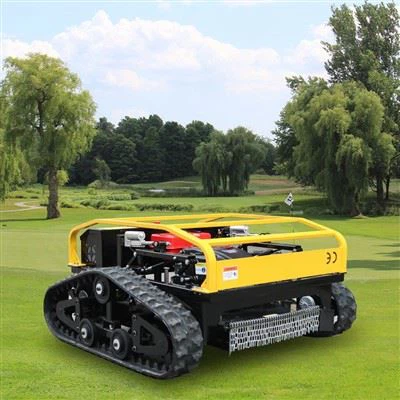
Adjusting the mowing frequency of a remote mower is a crucial aspect of maintaining a healthy and aesthetically pleasing lawn. As a remote mower supplier, I understand the challenges and considerations that come with finding the optimal mowing schedule. In this blog post, I'll share some insights on how to adjust the mowing frequency of a remote mower effectively.
Understanding the Basics of Mowing Frequency
The mowing frequency of a remote mower depends on several factors, including the type of grass, weather conditions, and the desired lawn height. Different grass species grow at different rates, and environmental factors such as temperature, rainfall, and sunlight can significantly impact their growth.
For example, warm-season grasses like Bermuda grass and Zoysia grass grow more rapidly during the hot summer months, while cool-season grasses like Kentucky bluegrass and fescue thrive in the spring and fall. In general, it's recommended to mow warm-season grasses more frequently during the peak growing season, typically every 5 - 7 days, and cool-season grasses every 7 - 10 days.
Weather conditions also play a vital role in determining mowing frequency. During periods of heavy rainfall or high humidity, grass tends to grow faster, requiring more frequent mowing. Conversely, during drought conditions or extreme heat, grass growth may slow down, allowing for less frequent mowing.
Assessing Your Lawn's Needs
Before setting a mowing schedule, it's essential to assess your lawn's specific needs. Start by identifying the type of grass in your lawn. You can do this by consulting a local nursery or extension service, or by using online resources to compare the characteristics of different grass species.
Next, consider the size and layout of your lawn. Larger lawns may require more time and effort to mow, making it necessary to adjust the mowing frequency accordingly. Additionally, if your lawn has areas with different grass types or growth rates, you may need to mow these areas separately or at different intervals.
Another important factor to consider is the desired lawn height. Different grass species have different optimal mowing heights, which can affect their health and appearance. For example, Bermuda grass should be mowed to a height of 0.5 - 1.5 inches, while Kentucky bluegrass should be kept at a height of 2 - 3 inches. By maintaining the appropriate mowing height, you can promote healthy grass growth and reduce the risk of disease and pest infestations.
Using Technology to Monitor Grass Growth
One of the advantages of using a remote mower is the ability to monitor grass growth and adjust the mowing frequency accordingly. Many modern remote mowers are equipped with sensors and cameras that can provide real-time data on grass height, moisture levels, and other environmental factors.
By analyzing this data, you can determine when your lawn needs to be mowed and adjust the mowing schedule accordingly. For example, if the sensors detect that the grass has reached a certain height, the mower can be programmed to start mowing automatically. Some remote mowers also allow you to set up customized mowing schedules based on your specific preferences and lawn conditions.
In addition to using the built-in sensors and cameras, you can also use other technologies to monitor grass growth. For example, satellite imagery and drones can provide detailed information on the health and growth of your lawn, allowing you to make more informed decisions about mowing frequency.
Adjusting the Mowing Frequency Based on Seasonal Changes
As the seasons change, so do the growth patterns of your grass. To ensure that your lawn remains healthy and beautiful year-round, it's important to adjust the mowing frequency based on seasonal changes.
In the spring, grass typically experiences a period of rapid growth as temperatures warm up and rainfall increases. During this time, it's important to mow your lawn more frequently to prevent the grass from becoming too long and unruly. As the summer months approach, grass growth may slow down due to heat and drought conditions. During this time, you can reduce the mowing frequency slightly, but still make sure to keep the grass at a healthy height.
In the fall, grass growth typically picks up again as temperatures cool down and rainfall increases. This is a good time to mow your lawn more frequently to prepare it for the winter months. As the winter approaches, grass growth will slow down significantly, and you can reduce the mowing frequency to once every few weeks or even stop mowing altogether.
Considering the Type of Remote Mower
The type of remote mower you use can also affect the mowing frequency. There are several different types of remote mowers available on the market, each with its own unique features and capabilities.
For example, Remote Control Rotary Lawn Mower Automatic Robot Lawnmower are designed to mow your lawn automatically, using sensors and algorithms to navigate around obstacles and adjust the mowing pattern based on the terrain. These mowers are ideal for large lawns or for people who don't have the time or energy to mow their lawn manually.
On the other hand, Robotic Lawn Mower are more versatile and can be used to mow both small and large lawns. These mowers are typically controlled by a remote control or a smartphone app, allowing you to adjust the mowing speed, direction, and pattern.
Finally, Remote Control Mower are similar to robotic lawn mowers, but they are typically more powerful and can be used to mow larger areas more quickly. These mowers are ideal for commercial applications or for people who have large lawns with thick or tall grass.


Conclusion
Adjusting the mowing frequency of a remote mower is an important part of maintaining a healthy and beautiful lawn. By understanding the factors that affect grass growth, assessing your lawn's specific needs, using technology to monitor grass growth, and adjusting the mowing frequency based on seasonal changes, you can ensure that your lawn remains healthy and beautiful year-round.
If you're in the market for a remote mower, I encourage you to explore our range of high-quality products. Our remote mowers are designed to provide efficient and reliable performance, making them the perfect choice for both residential and commercial applications. To learn more about our products or to discuss your specific needs, please feel free to contact us. We look forward to helping you find the perfect remote mower for your lawn.
References
- Turgeon, A. J. (2011). Turfgrass Science and Management. Prentice Hall.
- Beard, J. B. (1973). Turfgrass: Science and Culture. Prentice Hall.
- National Turfgrass Evaluation Program. (n.d.). Grass Species. Retrieved from https://www.ntep.org/grasses/