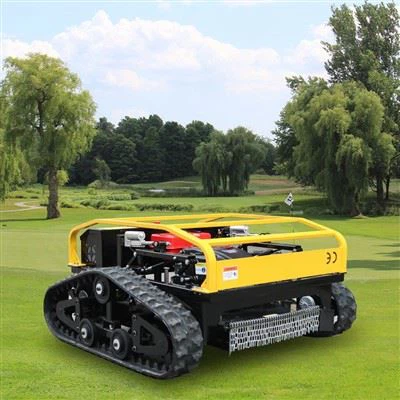
Hey there! As a supplier of remote mowers, I've seen firsthand how important it is to keep these machines in top - notch condition. One crucial aspect of maintenance is lubricating the moving parts. In this blog, I'll walk you through the process of lubricating a remote mower, so you can ensure its smooth operation and a longer lifespan.
Why Lubrication Matters
Before we dive into the how - to, let's quickly talk about why lubrication is so important. Moving parts in a remote mower, like gears, bearings, and shafts, experience friction during operation. This friction can cause wear and tear, leading to decreased performance, increased energy consumption, and even mechanical failures. Lubricants act as a protective barrier between these parts, reducing friction and heat generation. They also help prevent corrosion and keep dirt and debris from getting into the critical components.
Types of Lubricants
There are several types of lubricants available, and choosing the right one for your remote mower is key.
- Oil - based Lubricants: These are great for general lubrication of gears and bearings. They provide good long - term lubrication and can handle high - load applications. However, they may need to be reapplied more frequently, especially in dirty or wet environments.
- Grease - based Lubricants: Grease is thicker than oil and stays in place better. It's ideal for parts that don't move very often or for areas where you want to keep dirt out. Grease is often used in wheel bearings and some pivot points.
- Dry Lubricants: These are useful in situations where you don't want a sticky residue. Dry lubricants, like graphite or PTFE, are often used on chains and some sliding parts. They work well in dusty or dry conditions.
Tools You'll Need
Before you start lubricating your remote mower, gather the following tools:
- Lubricant: Choose the appropriate type based on the parts you'll be lubricating.
- Lubrication Gun: This is handy for applying grease to hard - to - reach areas.
- Brush or Cloth: You'll use this to clean the parts before lubrication and to spread the lubricant evenly.
- Safety Gloves: Protect your hands from the lubricant and any sharp edges on the mower.
Step - by - Step Lubrication Process
1. Preparation
First, make sure the mower is turned off and the battery is removed. This is a safety measure to prevent any accidental starts while you're working on the machine. Then, clean the moving parts using a brush or cloth to remove any dirt, grass clippings, or debris. This will ensure that the lubricant can do its job effectively.
2. Lubricating the Gears
Gears are one of the most critical moving parts in a remote mower. For oil - based lubrication, you can use a small funnel or a dropper to apply the oil to the gear teeth. Make sure to cover all the teeth evenly. If you're using grease, use a lubrication gun to inject the grease into the gear housing. Work the gears back and forth a few times to spread the lubricant evenly.
3. Bearing Lubrication
Bearings support the rotating shafts in the mower. To lubricate them, you may need to remove the bearing covers. Apply a small amount of grease or oil to the bearing surfaces. Be careful not to over - lubricate, as too much lubricant can cause the bearings to overheat. After lubrication, replace the bearing covers securely.
4. Chain and Sprocket Lubrication
If your remote mower has a chain and sprocket system, it's important to keep them well - lubricated. Use a dry lubricant or a light oil to coat the chain. Make sure to get the lubricant into the links of the chain. You can run the chain through a rag soaked in lubricant to ensure even coverage. For the sprockets, apply the lubricant directly to the teeth.
5. Pivot Points and Shafts
Pivot points and shafts allow different parts of the mower to move smoothly. Apply a small amount of grease or oil to these areas. Use a brush to spread the lubricant evenly around the pivot points and along the shafts.


6. Final Checks
After lubricating all the moving parts, double - check that everything is properly tightened and that there are no signs of excess lubricant dripping. Reinstall the battery and turn on the mower for a short test run. Listen for any unusual noises or vibrations, which could indicate a problem with the lubrication or other issues.
Tips for Maintaining Your Remote Mower's Lubrication
- Regular Inspections: Check the lubrication levels of your mower regularly, especially if you use it frequently. This will help you catch any issues early and prevent major problems.
- Follow the Manufacturer's Recommendations: Different remote mowers may have specific lubrication requirements. Always refer to the owner's manual for the best practices.
- Store the Mower Properly: When not in use, store the mower in a dry, clean place. This will help prevent the lubricant from breaking down due to exposure to moisture and dirt.
Our Remote Mower Products
We offer a wide range of high - quality remote mowers, including the Remote Control Lawn Mower With Tracks, Robotic Lawn Mower, and Remote Control Rotary Lawn Mower Automatic Robot Lawnmower. These mowers are designed for efficient and reliable operation, and proper lubrication will ensure they perform at their best for years to come.
If you're interested in purchasing our remote mowers or have any questions about lubrication or maintenance, feel free to reach out to us for a purchase negotiation. We're here to help you find the perfect mower for your needs and provide you with all the support you need to keep it running smoothly.
References
- General knowledge of remote mower maintenance and lubrication practices.
- Manufacturer's manuals for various remote mower models.