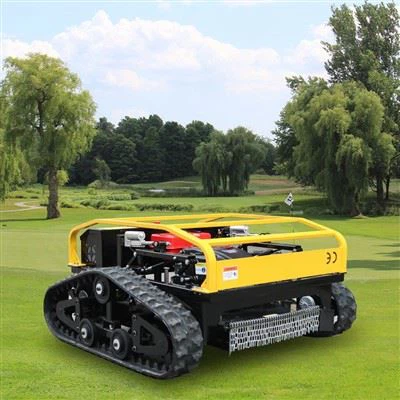
Hey there! As a supplier of remote mowers, I'm stoked to share with you how to operate these nifty machines. Remote mowers have become a game - changer in the lawn - care and landscaping industry, offering convenience, safety, and efficiency.
Getting Familiar with Your Remote Mower
First things first, when you get your hands on a remote mower, take some time to unpack it and have a good look around. Check for any visible damage during transit. You'll usually receive a user manual with step - by - step instructions, but I'll break it down here too.
The main components of a remote mower typically include the mower unit itself, which is the part that actually cuts the grass, and the remote control. The mower has blades, wheels (or tracks in some models), an engine or motor, and a battery or fuel tank depending on the power source.


Powering Up
If you've got an electric remote mower, charge the battery fully before the first use. It's usually a good idea to follow the charging time recommended in the manual. For gas - powered mowers, fill up the fuel tank with the appropriate fuel. Make sure you're using the right type; using the wrong fuel can damage the engine.
Once the power source is ready, switch on the mower. Look for the power switch on the mower unit. It might be a simple toggle switch or a key - operated ignition, depending on the model.
Pairing the Remote Control
This is a crucial step. The remote control and the mower need to be paired so that they can communicate with each other. Most modern remote mowers use radio frequency (RF) or Bluetooth technology for this.
To pair them, turn on the remote control first. Then, follow the pairing instructions in the manual. Usually, you'll need to press a specific button on the mower and a corresponding button on the remote control within a certain time frame. Once they're paired, you'll see some indicator lights on both the mower and the remote control to confirm the connection.
Adjusting the Cutting Height
One of the great things about remote mowers is that you can adjust the cutting height to suit your lawn's needs. There are usually adjustment levers or knobs on the mower. You can raise or lower the blades to achieve the desired grass length. For a shorter cut, lower the blades; for a longer, more natural look, raise them.
Operating the Mower
Now comes the fun part! Using the remote control, you can move the mower forward, backward, left, and right. The remote control usually has joysticks or directional buttons for this purpose. Move the joystick gently to start the mower moving. Start with slow movements to get a feel for how the mower responds.
If you want to make a turn, just tilt the joystick in the direction you want to go. The mower will smoothly change its direction. Some advanced models even have automatic steering modes that can follow a pre - set path.
Safety Features
Remote mowers come with several safety features. For example, most have a safety switch on the remote control. If you let go of the switch, the mower will stop immediately. This is a great safety measure in case you need to quickly halt the mower's operation.
Some mowers also have sensors that can detect obstacles. When the mower gets too close to an object, it will automatically stop or change its direction. This helps prevent damage to the mower and any surrounding objects.
Maintenance
Regular maintenance is key to keeping your remote mower in top shape. After each use, clean the blades to remove any grass clippings or debris. You can use a brush or a cloth to do this. Check the air filter in gas - powered mowers and replace it if it's dirty.
For electric mowers, inspect the battery regularly. Make sure the terminals are clean and free of corrosion. If you're not going to use the mower for an extended period, store it in a dry place and charge the battery (if it's electric) every few months to keep it in good condition.
Different Types of Remote Mowers
There are various types of remote mowers available in the market. You might be interested in the Remote Control Grass Cutter. This type is great for small to medium - sized lawns. It's lightweight and easy to maneuver.
If you've got a larger area with thicker grass, the Remote Control Flail Mower could be a better option. Flail mowers have multiple small blades that can handle tougher grass and weeds more effectively.
For uneven terrain or slopes, the Remote Control Lawn Mower With Tracks is a top choice. The tracks provide better traction, allowing the mower to move smoothly over rough ground.
Troubleshooting
Sometimes, you might run into a few issues. If the mower isn't responding to the remote control, first check the battery in the remote. A low - battery remote might not work properly. Also, make sure the mower and the remote are still paired.
If the mower is cutting unevenly, it could be due to dull blades. Sharpen or replace the blades as needed. And if the mower is making strange noises, it's a good idea to stop using it and check for any loose parts or mechanical problems.
Conclusion
Operating a remote mower is actually quite straightforward once you get the hang of it. It offers a lot of benefits, such as being able to mow your lawn from a safe distance, especially in areas with difficult access or potential hazards.
If you're in the market for a remote mower or looking to upgrade your existing one, we've got a wide range of high - quality models to choose from. Whether you're a homeowner with a small lawn or a professional landscaper, we can help you find the perfect remote mower for your needs. Don't hesitate to reach out for more information or to start a procurement discussion.
References
- Manufacturer's user manuals for remote mowers
- Industry articles on remote - controlled lawn equipment