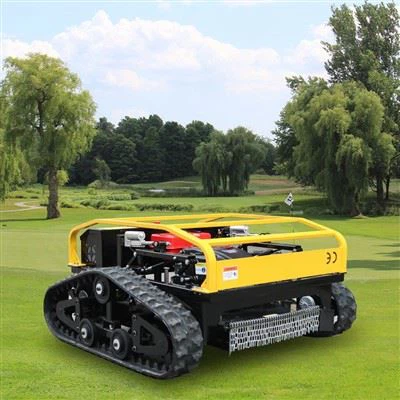
Hey there, fellow lawn enthusiasts! I'm a supplier of 4wd Lawn Mowers, and I've seen firsthand how a well - adjusted drive system can make all the difference in your lawn - mowing experience. In this blog, I'm gonna share some tips on how to adjust the drive system of a 4wd lawn mower.
Understanding the 4wd Drive System
Before we start adjusting, it's important to understand how the 4wd drive system in a lawn mower works. A 4wd lawn mower gives power to all four wheels, which provides better traction and maneuverability, especially on uneven or hilly terrains. This is a huge upgrade compared to traditional mowers. You can check out our awesome 4wd Lawn Mower models that are designed with top - notch 4wd systems.
The drive system consists of several components, including the engine, transmission, drive shafts, and wheels. The engine generates power, which is then transferred to the transmission. The transmission controls the speed and torque, and finally, the drive shafts transfer the power to the wheels.
Pre - Adjustment Checks
Before you start making any adjustments, there are a few things you need to do. First, make sure the mower is turned off and the engine is cool. You don't want to get burned or cause any accidental starts.
Inspect the drive belts. Over time, these belts can wear out, stretch, or become loose. A loose or worn - out belt can cause the drive system to slip, reducing the mower's performance. Look for signs of cracking, fraying, or excessive wear. If you notice any of these issues, it's time to replace the belt.
Next, check the drive chain (if your mower has one). Just like the belts, the chain can also wear out. Make sure it's properly lubricated and adjusted. A loose chain can skip teeth on the sprockets, while an overly tight chain can put extra stress on the components.
Also, examine the wheels and tires. Uneven tire pressure can affect the mower's drive system. Check the tire pressure with a tire gauge and inflate or deflate the tires as needed. Worn - out tires can also cause traction problems, so if the tread is low, consider replacing the tires.
Adjusting the Drive Belts
If the drive belts seem to be the issue, here's how you can adjust them. First, locate the belt tensioner. This is usually a pulley that can be moved to change the tension of the belt.
Use a wrench to loosen the bolts that hold the tensioner in place. Then, move the tensioner to increase or decrease the tension on the belt. You want the belt to be tight enough so that it doesn't slip, but not so tight that it puts too much stress on the pulleys and the engine.
Once you've adjusted the tension, tighten the bolts on the tensioner. Make sure the belt is centered on the pulleys. You can give the belt a little tug to check if it's properly tensioned. If it moves more than about an inch or so, you might need to adjust it again.
Adjusting the Drive Chain
If your 4wd lawn mower uses a drive chain, adjusting it is a bit different. First, find the chain adjustment bolts. These are usually located near the rear axle or the transmission.
Loosen the adjustment bolts slightly. Then, use a pair of pliers or a chain adjuster tool to move the axle or the sprocket to change the chain tension. You want the chain to have a small amount of slack, usually about 1/2 to 3/4 of an inch of play.
Once you've adjusted the tension, tighten the adjustment bolts. Check the chain again to make sure it's still properly tensioned. You can also rotate the wheels by hand to ensure the chain moves smoothly.
Transmission Adjustment
The transmission is a crucial part of the drive system. If you notice that the mower is having trouble shifting gears or if the speed is inconsistent, the transmission might need adjustment.
Some mowers have a transmission adjustment screw. You can use a screwdriver to turn this screw to adjust the transmission's shifting mechanism. However, this can be a bit tricky, and if you're not sure what you're doing, it's best to consult the mower's manual or a professional.
In some cases, the transmission fluid might need to be changed. Old or dirty fluid can cause the transmission to malfunction. Check the mower's manual to see how to drain and refill the transmission fluid.
Testing the Drive System
After you've made all the adjustments, it's time to test the drive system. Start the mower and let it run for a few minutes to warm up. Then, slowly drive the mower forward and backward.
Pay attention to how the mower moves. Does it drive smoothly? Are there any strange noises or vibrations? If the mower seems to be slipping or if there are any issues, you might need to go back and double - check your adjustments.
You can also take the mower out on the lawn and test it on different terrains. If it performs well on flat ground but has problems on slopes, you might need to make further adjustments to the traction control or the drive system's power distribution.
Maintenance Tips for a Long - Lasting Drive System
To keep your 4wd lawn mower's drive system in top shape, regular maintenance is key. Clean the drive components regularly to remove dirt, grass clippings, and debris. This can prevent buildup that can cause wear and tear on the belts, chains, and other parts.
Lubricate the moving parts, such as the drive shafts and the sprockets, according to the mower's manual. This will reduce friction and extend the life of the components.
Also, store the mower in a dry place when it's not in use. Moisture can cause rust and corrosion, which can damage the drive system.
Why Choose Our 4wd Lawn Mowers
At our company, we take pride in providing high - quality 4wd lawn mowers. Our mowers are designed with the latest technology to ensure a smooth and efficient drive system. Whether you have a small backyard or a large estate, our 4wd Lawn Mower models can handle the job.


We also offer a range of Remote Lawn Mower options for those who want even more convenience. With a remote - controlled mower, you can sit back and relax while the mower takes care of your lawn.
Contact Us for Purchasing
If you're interested in upgrading your lawn - mowing experience with our 4wd lawn mowers, don't hesitate to get in touch. We're here to answer all your questions and help you find the perfect mower for your needs. Whether you're a professional landscaper or a homeowner, we have the right solution for you. Start a conversation with us and let's discuss how our mowers can transform your lawn - care routine.
References
- Lawn Mower Maintenance Guidebooks
- Manufacturer's Manuals for 4wd Lawn Mowers
- Online Resources on Lawn Mower Repairs and Adjustments