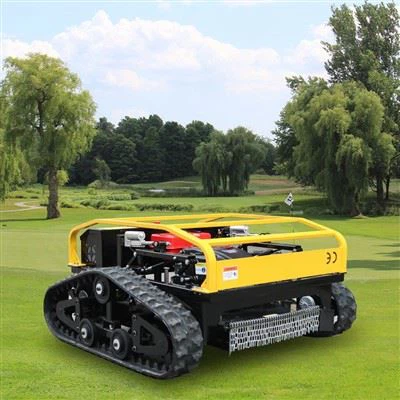
When it comes to maintaining a well - groomed lawn, choosing the right lawn mower is crucial. Two popular options in the market are 4WD (Four - Wheel Drive) lawn mowers and self - propelled lawn mowers. As a supplier of 4WD lawn mowers, I have in - depth knowledge of these two types of machines, and I'm here to break down the differences for you.
Power and Traction
One of the most significant differences between a 4WD lawn mower and a self - propelled lawn mower lies in their power and traction capabilities.
A self - propelled lawn mower typically has either front - wheel drive (FWD) or rear - wheel drive (RWD). In a front - wheel - drive self - propelled mower, the front wheels are powered, which is great for maneuvering around tight corners and in small yards. Rear - wheel - drive self - propelled mowers, on the other hand, offer better traction on slopes and uneven terrain because the weight of the mower is shifted towards the rear wheels during operation. However, both FWD and RWD self - propelled mowers have limitations when it comes to extremely challenging landscapes.
In contrast, a 4wd Lawn Mower provides power to all four wheels simultaneously. This gives it superior traction, especially on hilly, wet, or rough terrains. Whether you're dealing with a steep incline or a patch of thick grass, a 4WD lawn mower can power through with ease. The additional traction also reduces the chances of the mower slipping or getting stuck, ensuring a more efficient and consistent mowing experience.
Maneuverability
Maneuverability is another aspect where these two types of lawn mowers differ.
Self - propelled lawn mowers are generally quite maneuverable, especially those with smaller wheelbases. They can easily navigate around obstacles such as trees, flower beds, and garden furniture. The operator can control the speed and direction of the mower with relative ease, making it a good choice for lawns with a lot of curves and tight spaces.
However, 4WD lawn mowers, while offering excellent traction, can be a bit less maneuverable in very tight areas. Their larger and more robust design, along with the power being distributed to all four wheels, can make sharp turns more challenging. But modern 4WD lawn mowers are designed with advanced steering systems that help to mitigate this issue. Some models even feature zero - turn capabilities, which allow them to pivot on the spot, greatly improving their maneuverability in confined spaces.
Cutting Performance
The cutting performance of a lawn mower is determined by several factors, including the blade quality, cutting width, and the power of the engine.
Self - propelled lawn mowers usually come with a range of cutting widths, typically from 18 to 22 inches. They are suitable for small to medium - sized lawns and can provide a clean and even cut. The engine power of a self - propelled mower is generally sufficient to handle regular grass cutting tasks. However, when faced with thick or overgrown grass, the cutting performance may decline, and the mower may need to make multiple passes to achieve a satisfactory result.
A 4WD lawn mower often has a more powerful engine, which enables it to handle tougher cutting jobs. It can cut through thick, tall grass and weeds more efficiently. Many 4WD lawn mowers also have wider cutting decks, ranging from 22 to 30 inches or more. This means that you can cover a larger area in less time, making them ideal for large lawns and commercial applications.


Fuel Efficiency and Maintenance
Fuel efficiency and maintenance requirements are important considerations for any lawn mower owner.
Self - propelled lawn mowers are generally more fuel - efficient than 4WD lawn mowers. Since they have less power demand and a smaller engine, they consume less fuel during operation. This makes them a cost - effective option for homeowners with small to medium - sized lawns. In terms of maintenance, self - propelled mowers are relatively simple machines. They usually have fewer components, which means less to go wrong and lower maintenance costs.
4WD lawn mowers, due to their more powerful engines and complex drivetrains, tend to consume more fuel. However, the increased power and performance they offer can often justify the higher fuel consumption, especially for large - scale mowing projects. Maintenance of a 4WD lawn mower is also more involved. The four - wheel - drive system requires regular inspection and lubrication, and the engine may need more frequent servicing. But with proper care and maintenance, a 4WD lawn mower can last for many years and provide reliable service.
Price
Price is often a deciding factor when choosing between a 4WD lawn mower and a self - propelled lawn mower.
Self - propelled lawn mowers are generally more affordable. They are a popular choice for homeowners on a budget who still want the convenience of a powered mower. The price of a self - propelled mower can range from a few hundred dollars to over a thousand dollars, depending on the brand, features, and cutting width.
4WD lawn mowers, on the other hand, are more expensive. Their advanced technology, powerful engines, and superior performance come at a cost. The price of a 4WD lawn mower can start at around $1,500 and go up to several thousand dollars for commercial - grade models. However, if you have a large or challenging lawn, the investment in a 4WD lawn mower can pay off in the long run through increased efficiency and durability.
Applications
The applications of these two types of lawn mowers also vary.
Self - propelled lawn mowers are well - suited for residential use. They are perfect for homeowners who want to maintain their small to medium - sized lawns with ease. Whether you have a flat or slightly sloped yard, a self - propelled mower can get the job done efficiently.
4WD lawn mowers are more commonly used in commercial settings, such as golf courses, parks, and large estates. Their ability to handle tough terrains and large areas makes them indispensable for professional landscapers. They are also a great choice for homeowners with large, hilly, or rough lawns that require a more powerful and capable mower.
Conclusion
In conclusion, the choice between a 4WD lawn mower and a self - propelled lawn mower depends on your specific needs and circumstances. If you have a small to medium - sized, relatively flat lawn and are on a budget, a self - propelled lawn mower may be the best option for you. It offers good maneuverability, fuel efficiency, and affordability.
However, if you have a large, hilly, or rough lawn, or if you are a professional landscaper, a 4wd Lawn Mower is the way to go. Its superior traction, cutting performance, and power make it suitable for challenging mowing tasks.
If you're interested in learning more about our range of 4WD lawn mowers or are considering a purchase, we'd love to hear from you. Feel free to reach out to us to discuss your requirements and explore the best options for your lawn. We can provide you with detailed product information, pricing, and assistance with choosing the right mower for your needs.
References
- Lawn Mower Buyer's Guide, Consumer Reports
- Power Equipment Technology, Journal of Outdoor Power Equipment Manufacturers Association
- Landscaping and Lawn Care Best Practices, Professional Landscapers Magazine