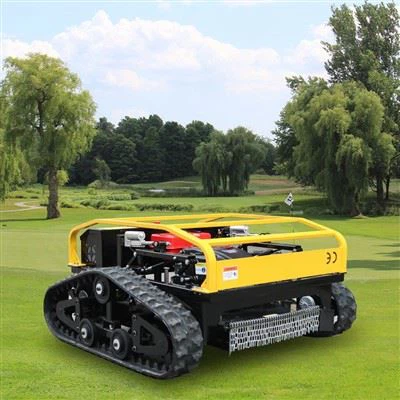
As a supplier of Remote Mowers, I've often been asked about the fuel efficiency of gas - powered remote mowers. In this blog, I'll delve into this topic, exploring the factors that affect fuel efficiency, how to measure it, and ways to optimize it.
Understanding Fuel Efficiency in Gas - Powered Remote Mowers
Fuel efficiency refers to the amount of work a mower can accomplish per unit of fuel consumed. For gas - powered remote mowers, it is typically measured in terms of the area of lawn that can be mowed per gallon (or liter) of gasoline. A more fuel - efficient mower means lower operating costs and less environmental impact over time.
Factors Affecting Fuel Efficiency
- Engine Design and Technology
The engine is the heart of a gas - powered remote mower, and its design plays a crucial role in fuel efficiency. Modern engines are often equipped with advanced technologies such as electronic fuel injection (EFI). EFI systems can precisely control the amount of fuel injected into the engine cylinders, ensuring optimal combustion. This results in better fuel utilization compared to traditional carbureted engines, which may have less precise fuel - air mixture control.
For example, a mower with an EFI engine can adjust the fuel supply based on factors like engine load and temperature. When the mower is cutting through thick grass, the engine may need more fuel, and the EFI system can deliver it accurately. In contrast, a carbureted engine may over - or under - supply fuel in different operating conditions, leading to less efficient fuel consumption.
- Mower Weight and Aerodynamics
The weight of the remote mower affects fuel efficiency. A heavier mower requires more energy to move, which means more fuel is consumed. Manufacturers are constantly looking for ways to reduce the weight of mowers without sacrificing durability. For instance, using lightweight yet strong materials like aluminum alloys for the mower frame can help.
Aerodynamics also play a part. A mower with a streamlined design experiences less air resistance as it moves across the lawn. This reduces the power needed to propel the mower, resulting in better fuel efficiency. Some mowers are designed with smooth curves and minimal protrusions to improve their aerodynamic performance.
- Cutting Deck Size and Blade Design
The size of the cutting deck determines how much grass can be cut in one pass. A larger cutting deck can cover more area in less time, but it also requires more power to operate. If the mower is used on a large lawn, a larger cutting deck may be more fuel - efficient overall because it can complete the job faster. However, for small lawns, a smaller cutting deck may be more appropriate as it uses less power.
Blade design is equally important. Sharp, well - designed blades cut through grass more cleanly, requiring less power from the engine. Dull blades, on the other hand, can tear the grass, which is more energy - intensive. Regular blade maintenance, such as sharpening and balancing, is essential for optimal fuel efficiency.
- Operating Conditions
The type of grass being mowed, the terrain, and the speed at which the mower is operated all affect fuel efficiency. Thick, tall grass requires more power to cut than thin, short grass. Mowing on hilly terrain also consumes more fuel as the mower has to work harder to climb slopes.
Operating the mower at an appropriate speed is crucial. Running the mower too fast may cause the engine to work harder than necessary, while running it too slow can also be inefficient. Finding the right balance is key to maximizing fuel efficiency.
Measuring Fuel Efficiency
To measure the fuel efficiency of a gas - powered remote mower, you can conduct a simple test. First, fill the mower's fuel tank to the brim. Then, mow a known area of lawn, for example, a 1 - acre plot. After mowing, refill the fuel tank to the same level as before. The amount of fuel used to mow the 1 - acre area can be used to calculate the fuel efficiency.
Let's say you used 2 gallons of gasoline to mow 1 acre of lawn. The fuel efficiency in this case would be 0.5 acres per gallon. This measurement can be used to compare different mowers or to track the efficiency of your own mower over time.


Optimizing Fuel Efficiency
- Regular Maintenance
Regular maintenance is essential for keeping the mower running efficiently. This includes changing the oil and air filter at recommended intervals. A dirty air filter restricts the airflow to the engine, which can lead to poor combustion and increased fuel consumption. Changing the oil ensures that the engine's moving parts are properly lubricated, reducing friction and improving fuel efficiency.
Checking and adjusting the spark plug is also important. A worn - out spark plug can cause misfires, which waste fuel. By replacing the spark plug at the right time, you can ensure that the engine fires efficiently.
-
Proper Operation
Operating the mower correctly can significantly improve fuel efficiency. As mentioned earlier, finding the right speed is crucial. Also, avoid overloading the mower. If the grass is too long or thick, it's better to make multiple passes at a lower height rather than trying to cut it all at once. This reduces the strain on the engine and saves fuel. -
Fuel Quality
Using high - quality gasoline can also impact fuel efficiency. Low - quality gasoline may contain impurities that can clog the fuel system and reduce engine performance. It's recommended to use gasoline with the appropriate octane rating for your mower's engine.
Our Remote Mowers and Fuel Efficiency
At our company, we are committed to providing gas - powered remote mowers with excellent fuel efficiency. Our mowers are equipped with advanced engines that feature the latest fuel - saving technologies. For example, many of our Remote Control Mower models come with EFI engines, which ensure precise fuel delivery and optimal combustion.
We also pay close attention to the design of our mowers. Our engineers work hard to reduce the weight of the mowers while maintaining their strength and durability. The cutting decks and blades are carefully designed to provide efficient cutting performance with minimal fuel consumption.
Our Remote Mower models are suitable for a variety of lawn sizes and terrains. Whether you have a small backyard or a large commercial lawn, we have a mower that can meet your needs while being fuel - efficient.
In addition to our gas - powered remote mowers, we also offer Robotic Lawn Mower options. These mowers are powered by electricity, which eliminates the need for gasoline and offers a more environmentally friendly alternative.
Conclusion
Fuel efficiency is an important consideration when choosing a gas - powered remote mower. By understanding the factors that affect fuel efficiency, measuring it accurately, and taking steps to optimize it, you can save money on fuel costs and reduce your environmental impact.
Our company is dedicated to providing high - quality remote mowers with excellent fuel efficiency. If you're in the market for a remote mower, we invite you to contact us for more information. We can help you choose the right mower for your needs and provide you with detailed information about its fuel efficiency and performance. Let's work together to find the perfect solution for your lawn - mowing needs.
References
- "Small Engine Technology" by Tom Loy. This book provides in - depth knowledge about small engines used in lawn mowers, including factors affecting fuel efficiency.
- Industry reports on lawn mower technology and development, which highlight the latest trends in improving fuel efficiency in remote mowers.