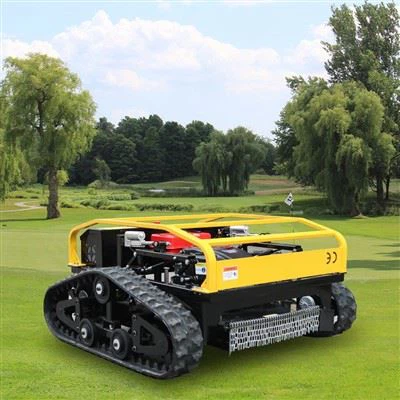
The cutting depth of a remote mower is a crucial parameter that significantly influences its performance and suitability for various lawn - care tasks. As a supplier of remote mowers, understanding this aspect is essential for both us and our customers. In this blog, we'll delve into what cutting depth means, factors that affect it, and how it impacts the overall utility of our Remote Control Mower.
Defining Cutting Depth
Cutting depth refers to the distance between the surface of the grass before mowing and the remaining grass height after the mower has passed over. It is typically measured in millimeters or inches. For instance, if the grass is initially 100 mm tall and after mowing, it stands at 30 mm, the cutting depth is 70 mm. This parameter is not a fixed value; it can be adjusted according to the user's requirements and the condition of the lawn.
Importance of Cutting Depth
The right cutting depth is vital for maintaining a healthy lawn. If the cutting depth is too shallow, the mower may not effectively remove the overgrown grass, leaving an uneven and unkempt appearance. On the other hand, cutting the grass too short can stress the grass plants, making them more susceptible to diseases, pests, and drought. A proper cutting depth allows the grass to maintain its vigor, promotes healthy root growth, and enhances the overall aesthetic appeal of the lawn.
Factors Affecting Cutting Depth
Mower Design
The design of the remote mower plays a significant role in determining the cutting depth. Our Self Propelled Garden Remote Control Lawn Mower is engineered with adjustable cutting mechanisms. The height of the cutting deck can be modified to achieve different cutting depths. This flexibility allows users to adapt to various grass types and lawn conditions. For example, some grass species, like Bermuda grass, can tolerate a shorter cutting depth compared to fescue grass.
Terrain
The terrain of the lawn also affects the cutting depth. On flat and even surfaces, the mower can maintain a consistent cutting depth. However, on uneven or sloped terrains, the cutting depth may vary. Our Remote Control Lawn Mower With Tracks is equipped with tracks that provide better stability on slopes. This helps to ensure a more uniform cutting depth, even on challenging terrains.
Grass Type and Density
Different grass types have different growth habits and ideal cutting heights. For example, warm - season grasses such as zoysia grass generally prefer a cutting depth of around 25 - 50 mm, while cool - season grasses like Kentucky bluegrass are better maintained at a cutting depth of 50 - 75 mm. Additionally, the density of the grass can impact the cutting depth. Dense grass may require a shallower initial cutting depth to avoid overloading the mower's blades.
Adjusting the Cutting Depth
Most of our remote mowers come with an easy - to - use cutting depth adjustment system. Users can typically adjust the cutting depth by turning a dial or using a lever on the mower. Before making any adjustments, it is important to assess the current state of the lawn, including the grass type, length, and terrain. It is also advisable to make small adjustments and test the mower on a small area of the lawn to ensure the desired cutting depth is achieved.
Impact on Mower Performance
The cutting depth can have a direct impact on the performance of the remote mower. A very deep cutting depth may cause the mower to work harder, potentially leading to increased wear and tear on the blades and the engine. This can also reduce the mower's efficiency and battery life, especially for electric - powered remote mowers. On the other hand, a shallow cutting depth may require multiple passes over the same area, increasing the overall mowing time.
Real - World Applications
In residential lawns, the cutting depth is often adjusted based on the homeowner's aesthetic preferences and the type of grass. For example, a homeowner with a St. Augustine grass lawn may prefer a cutting depth of around 50 - 75 mm to maintain a lush and green appearance. In commercial settings, such as golf courses or sports fields, the cutting depth is carefully controlled to meet specific standards. Golf course greens, for instance, may have a very shallow cutting depth of around 3 - 6 mm to ensure a smooth and fast - playing surface.
Maintenance Considerations
Proper maintenance is crucial when it comes to achieving the desired cutting depth. Regularly sharpening the mower blades is essential to ensure a clean and precise cut. Dull blades can tear the grass instead of cutting it, resulting in an uneven appearance and potentially damaging the grass. Additionally, keeping the cutting deck clean and free of debris helps to maintain the mower's performance and ensures a consistent cutting depth.


Conclusion
The cutting depth of a remote mower is a complex yet important aspect of lawn care. As a remote mower supplier, we are committed to providing our customers with mowers that offer adjustable cutting depths to meet their diverse needs. Whether it's a small residential lawn or a large commercial landscape, our Remote Control Mower and related products are designed to deliver optimal performance.
If you are interested in learning more about our remote mowers or have specific requirements regarding cutting depth and lawn care, we invite you to contact us for a detailed discussion. Our team of experts is ready to assist you in finding the perfect mower for your needs and providing valuable advice on achieving the best cutting results.
References
- "Lawn Care Basics: Understanding Grass Types and Cutting Heights" - Lawn & Landscape Magazine
- "The Science of Mowing: How Cutting Depth Affects Grass Health" - Journal of Turfgrass Science
- Manufacturer's Manuals for Remote Control Mowers